
Can Hamsters Eat Butter?
No, hamsters should never eat butter. This dairy product contains approximately 80% fat and high cholesterol levels that can cause serious health problems in hamsters, including obesity, heart disease, and liver damage.
As a hamster owner, you want to provide nutritious foods that support your pet’s health and lifespan. Understanding which foods are safe and which pose risks is essential for responsible hamster care. Butter might seem harmless, but its nutritional profile makes it dangerous for these small pets.
This guide explains why butter is unsafe for all hamster species, what health problems it can cause, and which foods make better alternatives.
Why Butter Is Dangerous for Hamsters
Butter poses multiple health risks for hamsters due to its composition and how it affects their bodies.
The Fat Problem
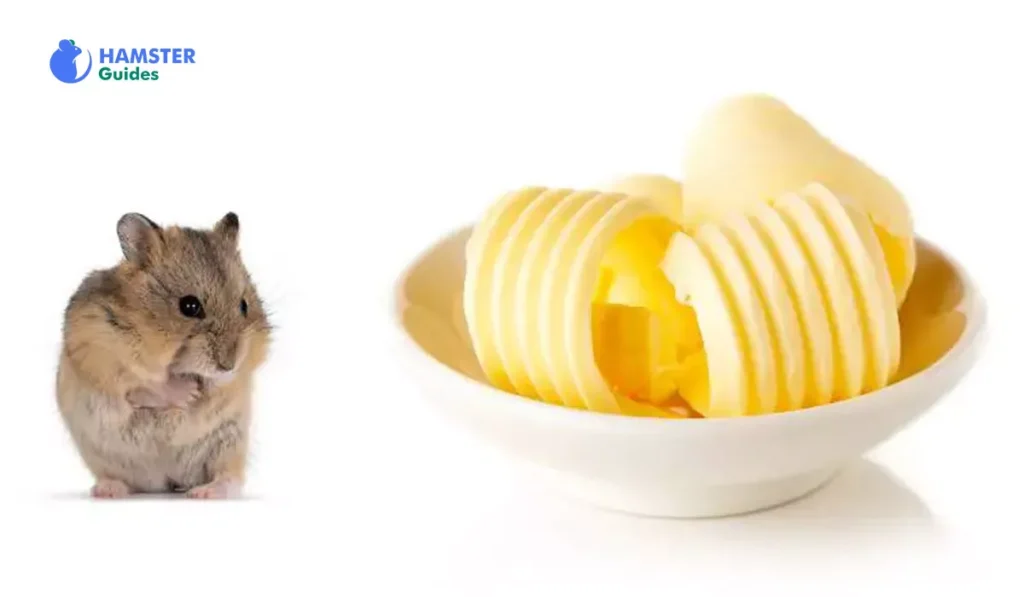
Hamsters need only 5-7% fat in their diet. Butter contains about 80% fat, almost entirely saturated fat. This massive imbalance overwhelms their digestive system and metabolism.
When hamsters consume high-fat foods regularly, their bodies store the excess as body fat. Given their small size, Syrian hamsters weigh just 120-200 grams even tiny amounts of butter represent a huge caloric load.
Specific Health Risks
Excessive fat intake triggers several serious conditions in hamsters:
- Obesity develops quickly in hamsters fed fatty foods. Extra weight strains their tiny joints and organs, reduces mobility, and shortens lifespan.
- Heart disease becomes more likely as cholesterol builds up in their cardiovascular system. Hamsters with heart problems may show lethargy, breathing difficulties, and reduced activity.
- Fatty liver disease occurs when the liver becomes overwhelmed processing dietary fat. This condition can progress to liver failure if left unchecked.
- Pancreatitis, or inflammation of the pancreas, can result from high-fat meals. This painful condition requires veterinary intervention and can be life-threatening.
- Digestive upset including diarrhea and stomach pain often happens when hamsters eat butter. Their digestive systems evolved to process seeds, grains, and vegetables, not dairy products.
The Dairy Factor
Most adult hamsters are lactose intolerant. After weaning, they lose the enzymes needed to digest lactose found in dairy products.
Butter contains small amounts of lactose that can cause bloating, gas, and digestive discomfort. While butter has less lactose than milk, it still presents problems for hamsters.
Special Concerns for Dwarf Hamsters
Dwarf hamster breeds including Campbell’s, Winter White, and Roborovski face higher diabetes risk than Syrian hamsters. High-fat, calorie-dense foods like butter can trigger or worsen diabetic conditions in these breeds.
If you have a dwarf hamster, avoiding all high-fat human foods becomes even more critical for their health.
What If My Hamster Ate Butter?
Accidents happen. If your hamster ate a small amount of butter, here’s what to do.
Immediate Steps
Remove any remaining butter from their cage immediately. Make sure your hamster has access to fresh, clean water.
Don’t panic if they ate a tiny amount. One-time exposure to a small quantity typically won’t cause permanent harm.
Monitor for Symptoms
Watch your hamster closely for the next 24-48 hours. Look for these warning signs:
- Diarrhea or loose, watery droppings signal digestive upset. Check their bedding regularly.
- Lethargy or reduced activity compared to normal behavior may indicate they’re not feeling well. Notice if they’re spending more time sleeping or hiding.
- Reduced appetite or refusing their regular food suggests stomach discomfort. Track whether they’re eating their pellets and drinking water.
- Bloating or a swollen abdomen means gas or digestive distress. Gently feel their belly to check for unusual firmness.
When to Call the Vet
Contact your veterinarian if symptoms persist beyond 24 hours or if your hamster shows severe lethargy. Also call if you notice signs of pain like hunching, teeth grinding, or reluctance to move.
Provide plenty of their regular pellet food and fresh water. Skip treats until their digestive system returns to normal.
Butternut Squash: A Safe Choice
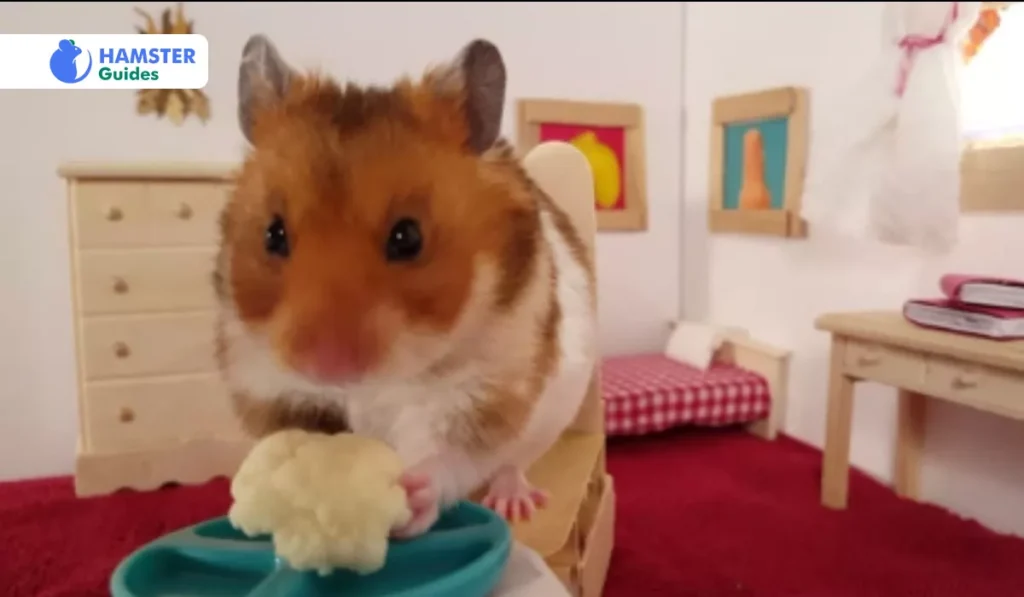
Despite its name, butternut squash is completely safe for hamsters and offers genuine nutritional benefits.
This vegetable provides vitamins A and C, minerals, and dietary fiber without the dangerous fat content of actual butter. You can offer small pieces of raw or cooked butternut squash as an occasional treat.
Both the orange flesh and the seeds are safe. Just make sure pieces are small enough for your hamster to handle easily, about the size of their ear.
Wash thoroughly before serving. Remove any tough outer skin from raw squash to make chewing easier.
Feed butternut squash 2-3 times per week as part of a varied vegetable rotation. This provides enrichment without overloading their diet with any single food.
| Aspect | Suitability |
| Nutritional Value | Offers a crunchy addition to their weight-reduction plan |
| Health Concerns | Safe for hamsters to eat moderately |
| Recommended | Can be protected as part of their vegetable intake |
Butter Lettuce Works Well
Butter lettuce is another misleadingly named food that’s actually safe for hamsters.
This leafy green offers hydration and nutrients with minimal calories. Its high water content makes it refreshing, especially during warm weather.
Wash butter lettuce thoroughly to remove any pesticides or dirt. Tear off small pieces rather than offering whole leaves, about one or two small pieces per serving.
You can include butter lettuce as part of your hamster’s daily fresh vegetable portion. Most hamsters enjoy the crisp texture and mild flavor.
Rotate between butter lettuce and other safe greens like romaine lettuce, spinach (occasionally), and kale to provide variety.
Skip the Butter Popcorn
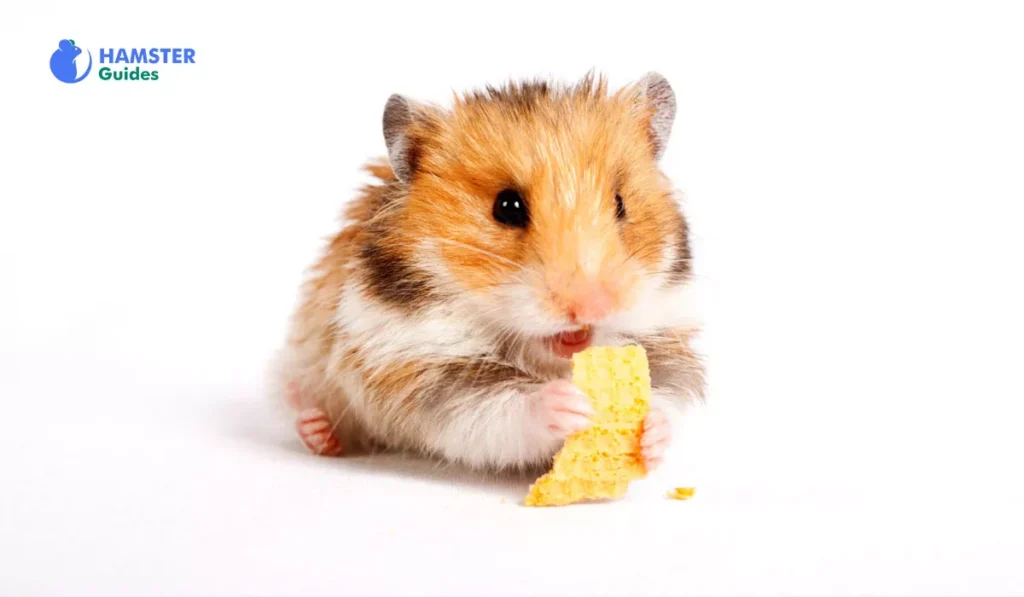
Butter popcorn combines two problems: the butter coating and the hard kernels.
The butter adds unnecessary fat and often includes salt, both harmful to hamsters. Salt can cause dehydration and kidney stress in these small animals.
Unpopped kernels present a serious choking hazard. Even popped kernels can be difficult for hamsters to chew safely.
If you want to offer popcorn, use plain, air-popped kernels without any butter, salt, or flavoring. Give only 1-2 small pieces as a rare treat, not a regular snack.
Better alternatives exist that provide the crunchy satisfaction hamsters enjoy without the risks.

| Aspect | Suitability |
| Butter | Unsuitable because of high-fat content |
| Additives | Not endorsed for hamsters |
| Recommended | Avoid presenting to hamsters |
Butternut Squash Seeds Are Fine
The seeds from butternut squash make safe, nutritious treats for hamsters.
These seeds contain protein, healthy fats, and fiber. Unlike butter, they provide fats in appropriate amounts alongside other beneficial nutrients.
Remove any shells or tough outer coating before offering seeds. Rinse them thoroughly and let them dry.
Serve 2-3 seeds at a time, about once or twice weekly. This prevents overconsumption while giving your hamster variety.
Never add salt, oil, or seasoning to the seeds. Plain, clean seeds are safest.
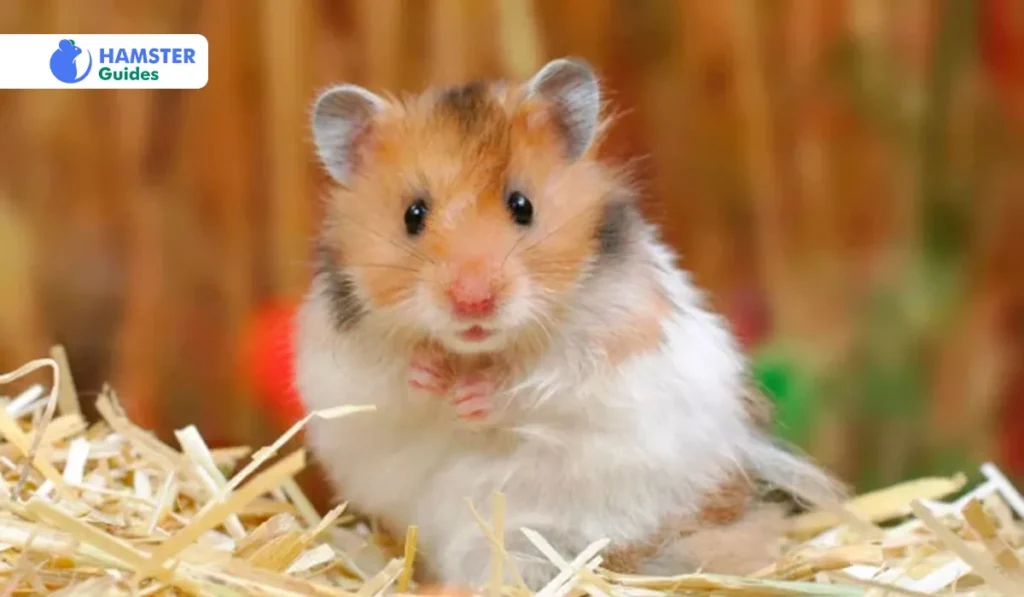
| Aspect | Suitability |
| Nutritional Value | Safe and offers vitamins for hamsters |
| Small Snacks | Safe for nibbling, ensure cleanliness |
| Recommended | Suitable as an occasional deal with hamsters |
Can Hamsters Eat Butter Beans?
No, butter beans aren’t ideal for hamsters. Butter beans (lima beans) are not suitable for hamsters despite being vegetables.
These legumes contain compounds that hamsters struggle to digest properly. They’re also high in carbohydrates and calories.
Eating butter beans can cause gas, bloating, and digestive discomfort. Their dense, starchy composition makes them hard for hamster digestive systems to break down.
Stick to other vegetable options like carrots, broccoli, cucumber, and bell peppers instead. These provide better nutrition with fewer digestive risks.
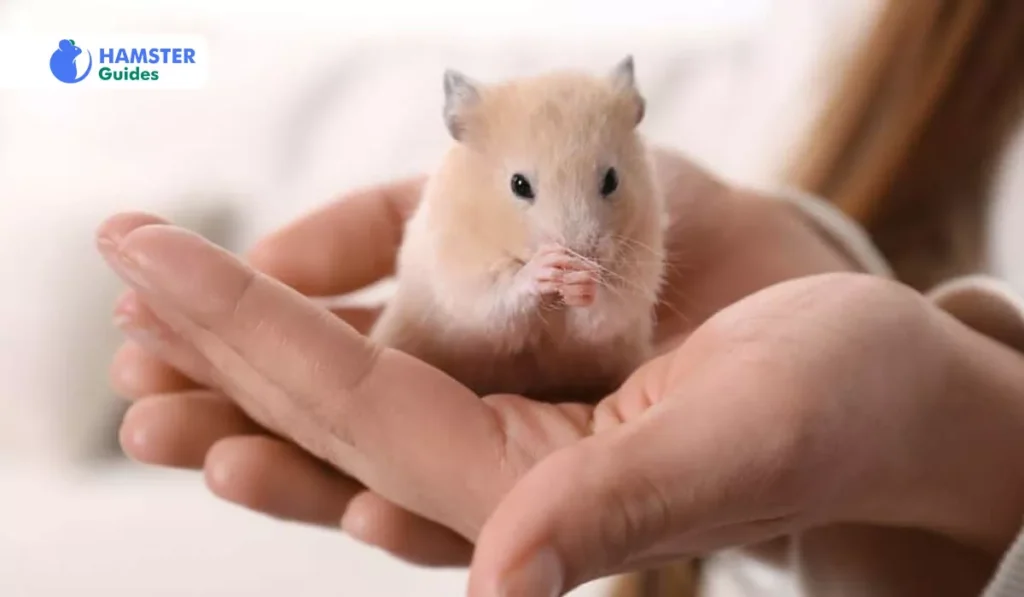
| Aspect | Suitability |
| Nutritional Value | Contains compounds fallacious for digestion |
| Health Concerns | Not endorsed because of potential health risks |
| Recommended | Avoid presenting to hamsters |
Can Hamsters Eat Butter Bread?
No, butterbread is not appropriate for hamsters. Bread with butter combines two foods that aren’t ideal for hamsters.
The bread itself is high in carbohydrates with little nutritional value for hamsters. Adding butter increases the fat content dramatically while adding salt.
This combination can lead to weight gain and provides empty calories that displace more nutritious foods from their diet.
If you want to offer bread occasionally, use a tiny piece of plain, whole-grain bread without any spreads. Limit this to once or twice monthly at most.
Hamster pellets and fresh foods provide much better nutrition than any bread product.
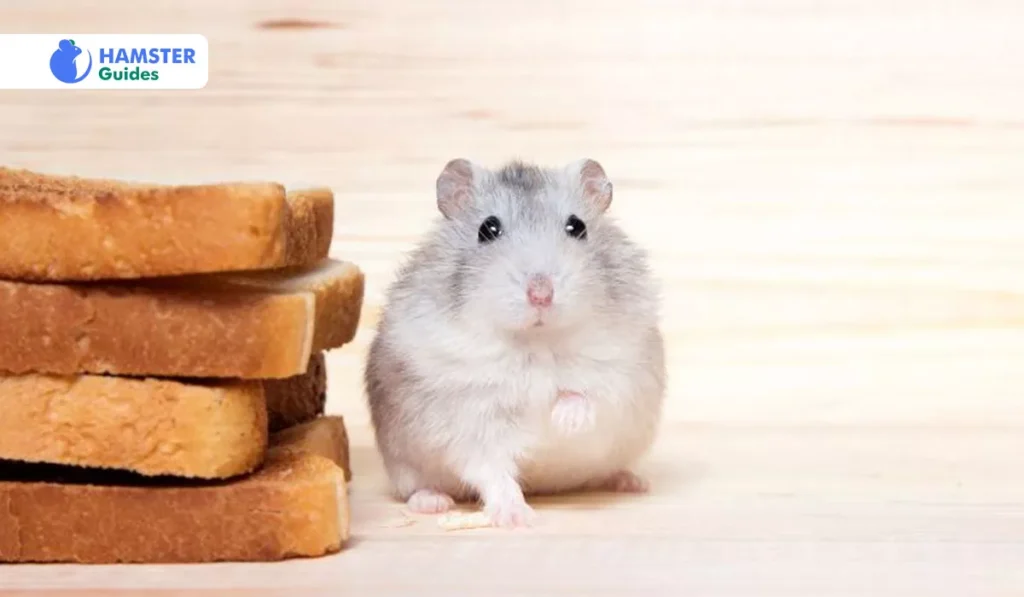
| Aspect | Suitability |
| Butter | High-fat content material, flawed for hamsters |
| Bread | Not a recommended food preference for hamsters |
| Recommended | Best to avoid for his or her food regimen |
Healthy Alternatives to Butter
Your hamster deserves treats that support their health instead of threatening it.
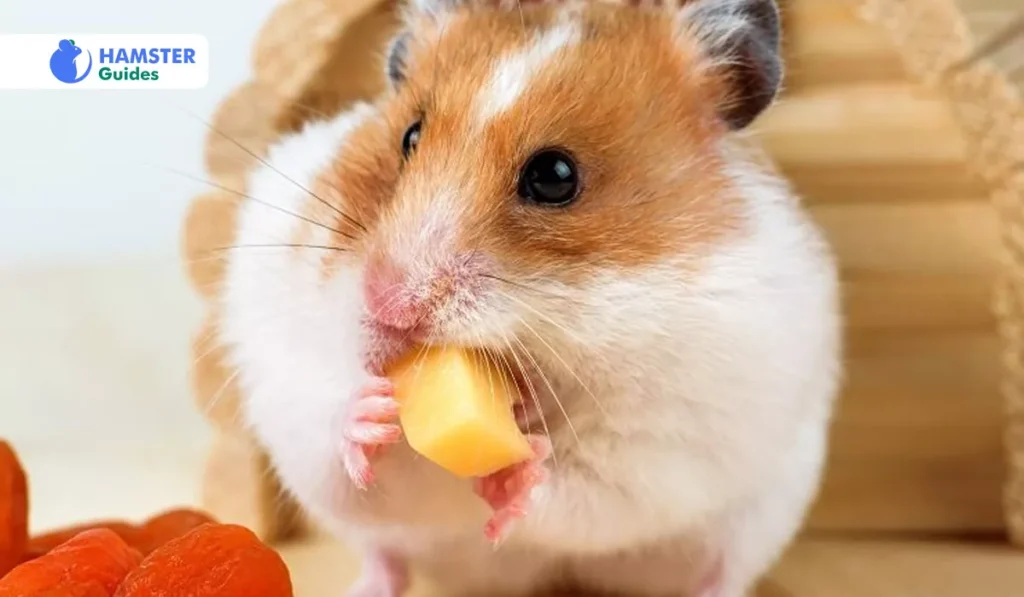
Fresh Vegetables
These should form the foundation of your hamster’s supplemental feeding:
- Carrots provide crunch and beta-carotene. Cut into small sticks or thin slices.
- Broccoli offers vitamins and fiber. Serve small florets 2-3 times weekly.
- Cucumber provides hydration with minimal calories. Remove seeds and cut into small pieces.
- Bell peppers (any color) supply vitamin C. Remove seeds and membrane, offer small strips.
- Leafy greens like romaine lettuce, spinach (occasionally), and kale add variety and nutrients. Wash thoroughly and tear into small pieces.
Related Resource:Can Hamsters Eat Avocados?
Quality Protein Sources
Hamsters need protein but should get it from appropriate sources:
- Plain cooked eggs (scrambled or hard-boiled) provide clean protein. Offer a small piece about the size of your thumbnail weekly.
- Dried mealworms supply protein and mental stimulation. Give 1-2 worms a couple times per week.
- Plain cooked chicken (unseasoned) works as an occasional treat. Offer a tiny piece no larger than a pea monthly.
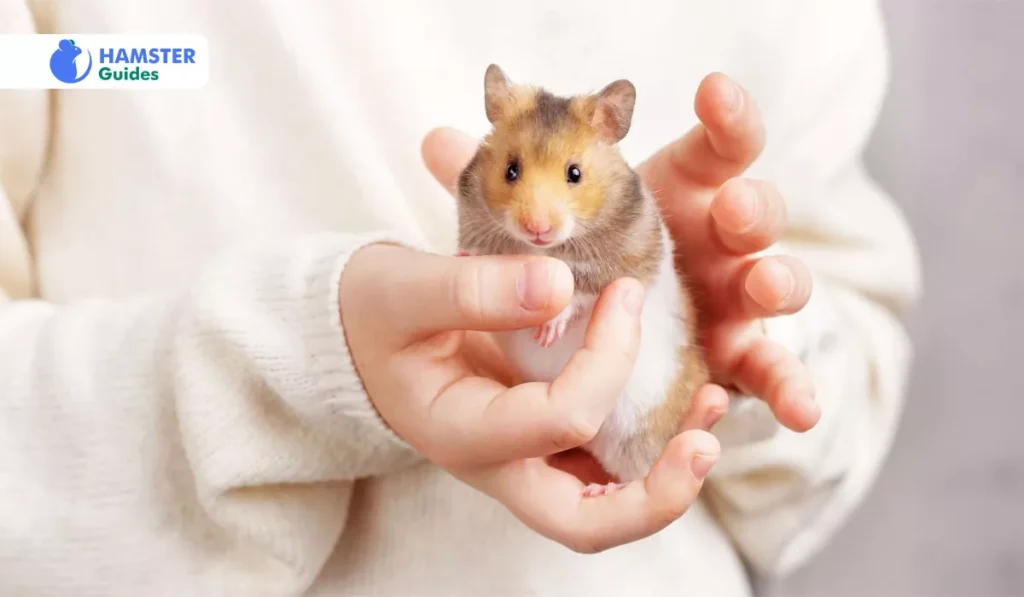
Portion Guidelines
A hamster’s daily fresh food portion should equal roughly the size of their ear, about a tablespoon total. This includes all vegetables and supplements combined.
Hamsters only eat about 12 grams of food per day total. Every treat takes space away from nutritionally complete pellets, so choose wisely.
Related Resource: Can Hamsters Eat Pomegranate?
Understanding Allergic Reactions
While uncommon, some hamsters can have food sensitivities or allergic reactions.
Signs of a food allergy include diarrhea appearing within hours of eating a new food, unusual itching or scratching, swelling around the face or paws, or difficulty breathing (rare but serious).
If your hamster shows any of these symptoms after eating something new, remove that food immediately. Provide fresh water and their regular pellets.
Monitor closely for 24 hours. If symptoms worsen or don’t improve, contact your veterinarian.
Always introduce new foods one at a time. Wait 24-48 hours before adding another new food. This helps you identify exactly which food caused any problems.
Related Resource: Can Hamsters Eat Cauliflower?
The Final Words
Hamsters should never eat butter. The extreme fat content and salt pose serious risks like pancreatitis and obesity. Instead, treat your pet to safe, nutritious alternatives like Butternut Squash or Butter Lettuce to keep them happy and healthy.


Leave a Reply