

Golden Hamster or Syrian Hamster: Everything You Need To Know
Scientifically called Mesocricetus auratus, golden hamsters, also known as Syrian Hamsters, are wonderful creatures that have been loved and valued as pets for a long time throughout the world. These beautiful tiny animals, known for their friendly behavior and adorable features, are great companions for pet owners of various experience levels.
How Long Do Syrian Hamsters Live?
Syrian hamsters typically live 2 to 3 years in captivity, with well-cared-for individuals occasionally reaching 3.5 years. In veterinary terms, any hamster over 1.5 years of age is already considered elderly, which surprises most new owners.
Wild Syrian hamsters actually fare worse, with most living only 1.5 to 2 years due to predation pressure from owls, foxes, and harsh environmental conditions like food shortages and extreme weather.
The key lifespan factors worth covering:
| Factor | Impact on Lifespan |
|---|---|
| Genetics (breeder vs. pet store) | Poorly bred Syrian hamsters often live less than one year, while well-bred individuals routinely reach 2.5 to 3 years. |
| Sex | Some studies have observed that males tend to outlive females, and pregnancy drastically shortens the lifespan of female Syrian hamsters. Those that were not bred were able to live longer. |
| Stress levels | Chronic stress from inadequate housing, poor diet, being woken during the day repeatedly, or inadequate exercise opportunity all take a toll that shortens life and reduces quality of the time that remains. |
| Solitary housing | Because of their solitary nature, Syrian hamsters should always be housed alone, which reduces stress and directly contributes to a longer lifespan. |
| Diet quality | Hamsters are omnivores requiring 16 to 20% dietary protein, adequate fiber from timothy hay or pellets, and strict limits on sugar. |
Record holders and rare cases:
The Guinness World Record for the oldest hamster stands at 4.5 years, confirming that exceptional care can push boundaries. Some individual owners online report reaching 5 years, but these are unverified and genuinely exceptional.
Syrian Hamster Age in Human Years
| Hamster Age | Approximate Human Equivalent | Life Stage |
|---|---|---|
| 0 to 3 weeks | Newborn / Infant | Weaning |
| 1 to 3 months | Toddler / Child | Adolescence |
| 3 to 6 months | Teenager | Sexual maturity reached |
| 6 to 12 months | Young adult (20s to 30s) | Prime of life |
| 12 to 18 months | Middle-aged (40s to 50s) | Slowing begins |
| 18 months+ | Senior (60s to 70s+) | Elderly, health monitoring needed |
| 3 years+ | Centenarian | Exceptionally rare |
Note: The average hamster lifespan is 2 to 3 years, with age 1.5 years and older considered elderly. Providing proper diet, enrichment, and a clean, spacious habitat can help support health and longevity.
Origins and History
First found in the Syrian deserts in the 1930s, golden hamsters are native to this part of the world, which is why they are also called Syrian hamsters. This tale started with the great Dr. Israel Aharoni, whose incidental finding in the Syrian desert permanently transformed hamsters’ history.

Dr. Aharoni observed a mother hamster and their beautiful huddle on one of his travels; their fur glowed in the desert view like bright gold. He took a lot of time gathering these animals since he thought they were unique, so he brought them back to Jerusalem for more study.
Golden or Syrian hamsters became popular pets in the 20th century due to their simple care and lovable demeanor. Although present hamsters can be found in a broad range of colors, from deep black to flawless white, pet lovers are still drawn to the beautiful golden coat. Other classifying of source:
According to the IUCN Red List, the exact number of Syrian hamsters in the wild is unknown, but it is estimated the total population is fewer than 2,500 mature individuals.
Related Resource: Can Hamsters See in the Dark?
Signs Your Syrian Hamster Is Getting Old
Signs of aging in Syrian hamsters typically begin around 18 months. Here is what to watch for:
Older Syrian hamsters are less energetic, sleeping more and exercising less. An aging hamster will likely protest being handled and be less concerned with grooming and keeping its cage clean. The hamster may also find breathing tougher, even gasping for air.
Specific signs to watch for:
- Reduced activity and more sleep: The wheel usage drops noticeably, and the hamster rises later and goes to bed earlier.
- Thinning fur and patchy skin: As a hamster ages, hair becomes more fine and sparse, and sections of skin may become visible through the thinning coat, which will appear dry and flaky over time.
- Cataracts: Older hamsters can develop cataracts, recognizable by a milky appearance of the eyes. Because hamsters are naturally nearsighted, the slow decrease in vision due to cataracts does not impact the quality of their lives much.
- Reduced appetite and weight loss: An aging hamster will lose interest in food to a certain degree, making fewer trips to the food dish and placing fewer items in its cheek pouch to hoard.
- Arthritis: Aging hamsters can suffer arthritis and neurological decline affecting movement and behavior. Symptoms include difficulty walking and altered posture. Treatment focuses on supportive care: providing soft bedding, easy access to food and water, and minimizing stress.
- Heart disease: Atrial thrombosis occurs in up to 70% of older Syrian hamsters, usually resulting from congestive heart failure. Signs include rapid breathing, an irregular heartbeat, and a blue tint to the skin or gums.
Caring for a senior Syrian hamster:
- Lower the wheel or remove high platforms to prevent falls.
- Offer softer foods like scrambled egg, cooked plain chicken, or soft vegetables as chewing becomes harder.
- Keep the cage warmer (ideally 20 to 23°C / 68 to 74°F).
- Do not wake them for handling. Let them initiate.
- Schedule a vet check every 3 to 4 months once they pass 18 months of age.
Golden or Syrian Hamsters Appearance: Size, FeatIUCN Endangeredures, and Characteristics
The unique features of Syrian hamsters are known for their short, muscular legs, tiny feet with small, sharp claws, and sturdy bodies. They collect supplies and food for their nests in the obvious inside cheek pouches on their heads, which also have fuzzy ears.
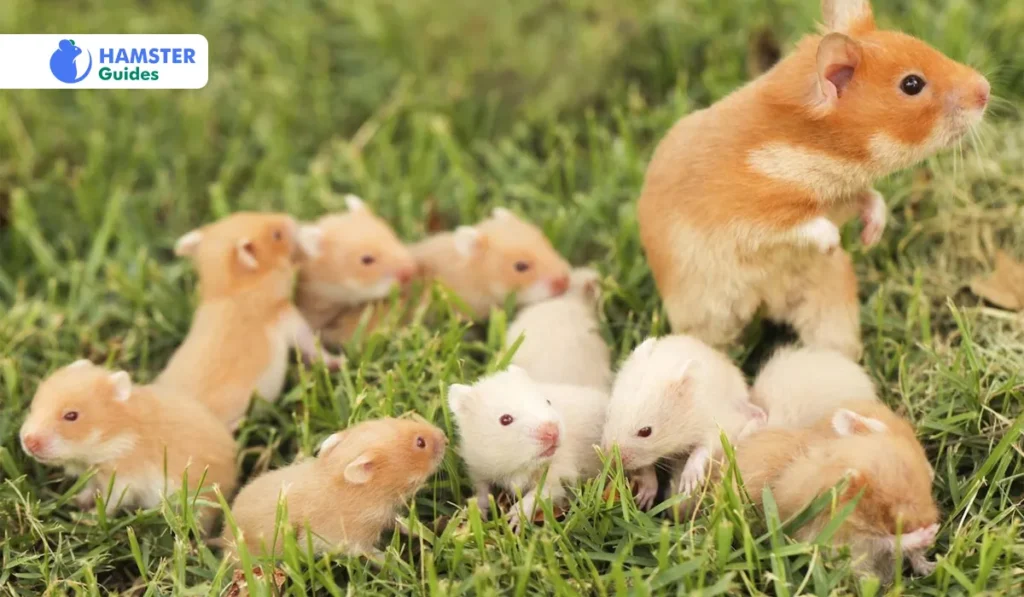
A healthy golden hamster’s size and weight range from 5 to 7 inches to 100 grams or above. Breeding selectively has generated a wide variety of coat types from their fur, which usually looks golden-brown, although they may differ in color, appearance, and pattern.
Physical Characteristics:

Related Resource: How Long Can Hamsters Go Without Water?
Physiological Adaptations:
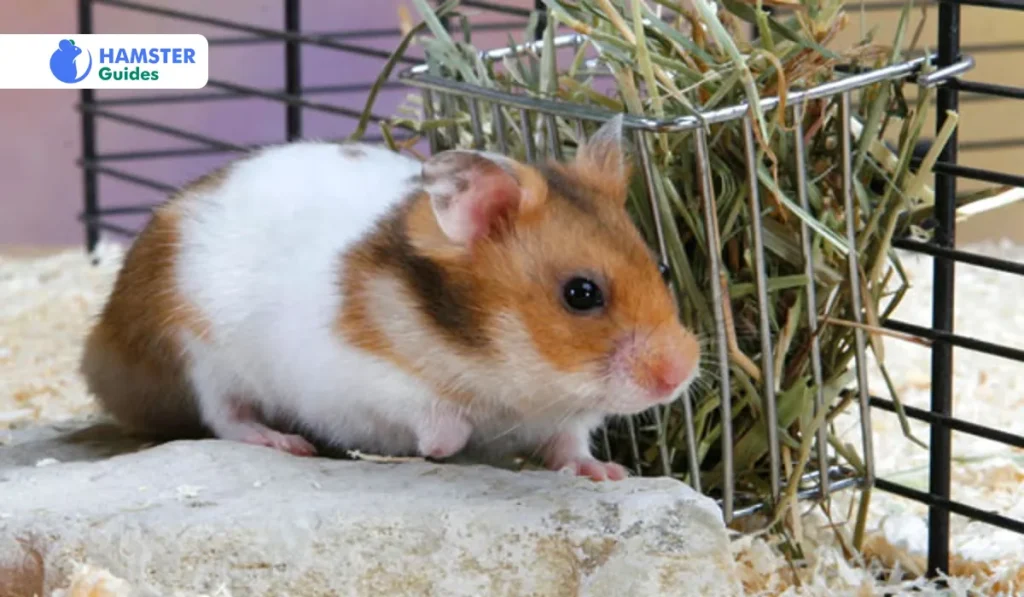
Torpor: What It Is and Why It Can Kill Your Hamster
When hamsters get too cold, they can go into a state called torpor, a survival tactic automatically triggered when an animal gets too cold or has limited access to food and water. In torpor, the body temperature lowers along with the heart rate and metabolic rate for short periods of time.
Torpor is a state of low body temperature and low metabolic rate which hamsters may enter when it is very cold. It is very dangerous for hamsters, as they don’t often come out of it, especially without assistance.
The key distinction: True hibernation is a controlled, season-triggered physiological process. Torpor in pet hamsters is an emergency stress response triggered by cold temperatures, usually below 18°C (65°F), and can be fatal if unaddressed.
What to do if your hamster is in torpor:
To safely revive a hamster in torpor, gradually improve conditions, including temperature and light. One good way to gradually warm your hamster is to cup them in the palm of your hand and let your body temperature gradually warm their body. You can also wrap them in a slightly warm cloth. External heating elements are not recommended, as these will raise their temperature too rapidly.
If the hamster does not respond to stimuli after warming, seek veterinary care immediately.
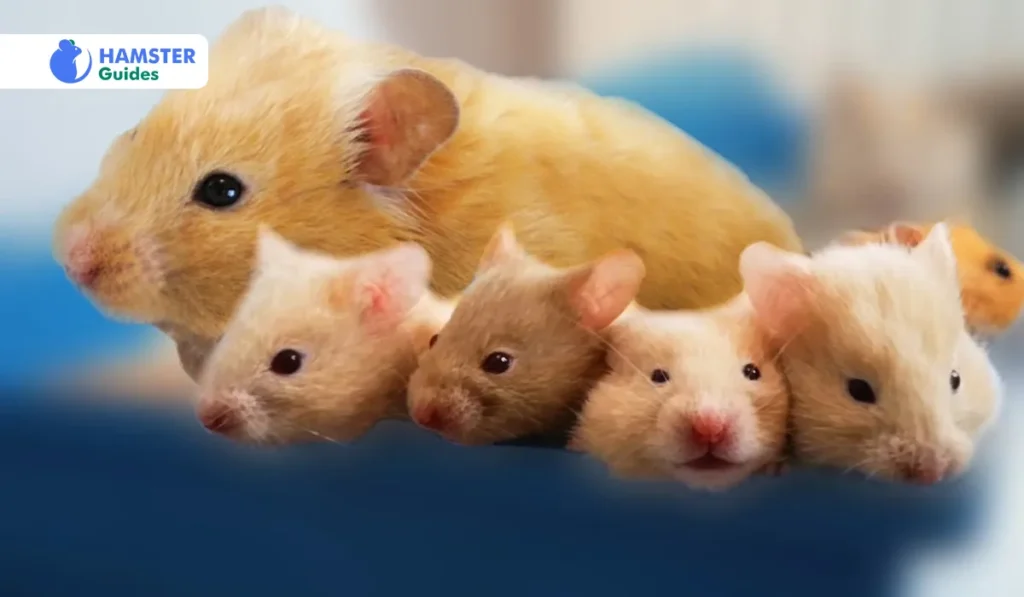
Reproduction:
Related Resource: Do Hamsters Live in The Wild?
Common Varieties of Syrian Hamsters
| Variety | Description |
| White | White fur with various markings |
| Tortoiseshell | Patchy fur with a mix of colors |
| Cream | Light cream-colored fur |
| Satin | Glossy, shiny coat |
| Golden Brown | Typical coloration, golden-brown fur |
| Long-haired | Longer fur compared to standard golden/Syrian hamsters |
| Black | Black fur with possible white markings |
| Banded | Horizontal bands of color across the body |
What do Golden Hamsters Eat? Diet and Nutrition
Golden hamster’s well-being and good health require a strong well- consuming well-rounded diet. They eat many different foods because of their omnivorous nature, eating grains, seeds, fruits, vegetables, and, occasionally, hard-boiled eggs or insects that feed and other protein sources.

In addition to fresh fruits and vegetables, commercial hamster food combines important nutrients. To prevent obesity, there ought to be constant fresh water available in a clean container, and the intake of food should be regulated. Moreover:
Health and Care of Golden or Syrian Hamster
You must provide your pet Syrian hamsters with periodic wellness checks and regular maintenance to keep them healthy and joyful. Ensure a clean cage, provide them with weekly nail cuts, and keep a lookout for any symptoms of disease or discomfort.
A veterinarian knows how to take care of exotic pets and ought to be informed if you observe any unexpected behaviors or signs.
Related Resource: How To Take Care Of A Hamster?
Common Health Issues in Golden/Syrian Hamsters
| Health Issue | Description | Who Is Most At Risk | Prevention/Treatment |
| Wet Tail (Proliferative Ileitis) | Bacterial infection causing severe, often fatal diarrhoea | Hamsters aged 3 to 10 weeks, especially after stress or transport | Preventing wet tail involves maintaining a clean, stress-free habitat, feeding a balanced diet, and quarantining new hamsters. Vet treatment with antibiotics is the only cure. |
| Atrial Thrombosis | Blood clots in the heart, linked to congestive heart failure | Females develop it on average at 13.5 months, males at 21.5 months; overall incidence up to 70% in older Syrians. | No effective treatment; supportive care only. Monitor breathing in any hamster over 12 months. |
| Respiratory Infections | Bacterial or viral lung infections | Any age, especially in draughty or damp environments | Ensure good ventilation, keep cage away from windows and cold spots. Vet antibiotics required. |
| Dental Issues / Malocclusion | Overgrown or misaligned teeth | Any age, often worsens in seniors | Provide safe wooden chews, regular vet dental checks. |
| Obesity | Excess body fat from overfeeding or under-exercise | Any age, especially sedentary hamsters in small cages | Feed a consistent amount of food each day, about 1 to 2 tablespoons for Syrian hamsters, to prevent overeating and keep the digestive system healthy. |
| Fur and Ear Mites | Parasitic skin infestation causing itching and hair loss | Any age | Regular cage hygiene, vet-prescribed treatments. |
| Amyloidosis | Protein buildup in organs, linked to heart and kidney failure | Older hamsters, especially females | No prevention known. Linked to chronic stress and poor diet in some studies. |
Syrian Hamster Habitat: Housing and Environment
Dried, rocky bushes are suitable for Syrian hamsters native to the desert regions, including southern Turkey and northern Syria. Water wells and legume farms are common areas for locating hamster burrows.
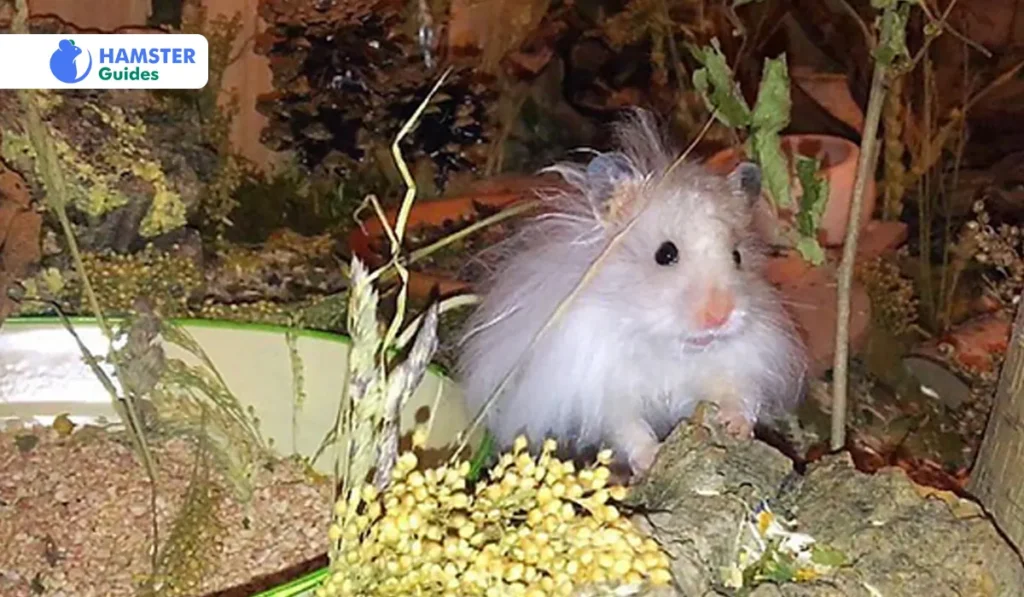
They show their natural propensity and inclination to begin digging through the construction of extensive burrows for safety and reproduction in nature. The place where Syrian hamsters reside enjoys periodic weather.
It’s important to set up a big cage with sufficient airflow and bedding for your Syrian hamster’s surroundings. If you prefer to encourage natural behaviors, utilize a cage with areas to hide and different levels. Add chew toys to improve tooth health and a wheel that runs for exercise.
| Season | Temperature (Day/Night) | Precipitation |
| Winter | ~10°C | Very low |
| Summer | 35-38°C / 6-15°C | Very low |
Furthermore, you might prevent your hamster from becoming bored by offering mental exercise with interactive toys, including puzzle feeders that give away benefits when pushed. Keeping hamsters engaged and mentally stimulated, these toys rely on their innate interest and ability.
The golden hamster can stay healthy, happy, and consciously engaged for every moment of their life if you give it a varied and stimulating atmosphere packed with various toys and exercises.
Cage Size Standards
| Organisation | Minimum Cage Size (Syrian) |
|---|---|
| RSPCA (UK, adoption guideline) | 100 x 50 cm |
| PDSA / Blue Cross (UK) | 100 x 50 x 50 cm |
| German Federal Ministry (legal minimum) | 5,000 sq cm (approx. 100 x 50 cm) |
| General community recommendation | 800+ sq inches floor space |
Note for owners: Most cages sold in pet shops fall well below these standards. Always go larger than the minimum.
Cage Setup Tips
Also, hamsters are nocturnal animals, implying they are most active at nighttime. It is important to health to offer them activities and toys suitable for their level of every night activity. Consider burrows with several entries and exits to encourage how they naturally seek out and gather during their active time.
Related Resource: Can Hamsters Eat Pomegranate?
Typical Behavior of Golden/ Syrian Hamster
The Syrian hamster is a solo and highly territorial animal. Except for when mating, they are extremely aggressive towards fellow creatures. Fragrance buds on the flanks of hamsters are utilized to signify where they belong.
Hamsters rest in their burrows throughout the day and awake at sunset. They collect food most of the night and preserve it in their burrows. A single hamster could cover up to 8-10 km in just one evening as it sprints between its burrow and food sources. Golden hamsters engage in a period of inactivity all over the winter that isn’t thought of as hibernation.
The Active Period of Golden/Syrian Hamsters
The belief that hamsters are nocturnal creatures is commonly believed. Although they do prefer to be more energetic at night, however, hamsters are not genuinely nocturnal animals. They are crepuscular, and more active at dawn and dusk in their native environment.

When choosing times to engage with your hamster, most often, take into account their crepuscular nature. This is an essential distinction to consider when gaining social interaction. This is great for modifying your plans to spend quality time with them when they are at their peak of activeness.
Golden/Syrian Hamster Toys and Enrichment Activities
Syrian hamsters are positive, eager pets who thrive in surroundings that are engaging and stimulating. Energetic games and toys are important to keep up with mental and physical activity needs. The spinning wheel is an iconic toy for hamsters.
The Exercise Wheel:

A beneficial, effective wheel can satisfy a hamster’s natural desire to run while giving them ample chances to exercise. To ensure your hamster’s safety and enjoyment, confirm that the wheel you bought is the proper size.
Related Resource: Can Hamsters Eat Tangerines?
Tunnels and Mazes:
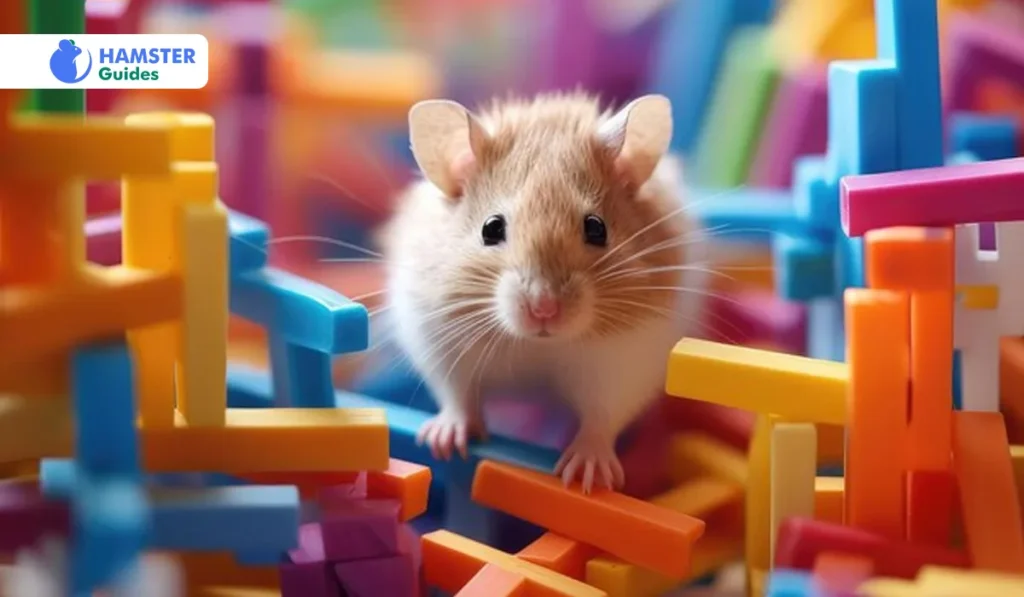
Mazes and tunnels are wonderful, enriching possibilities in conjunction with exercise wheels. They represent the hamsters’ natural desire to tunnel while offering them chances at development. Pet goods stores give many hamster tunnels and mazes; you can create your own at home through cardboard tubes and boxes.
Related Resource: Can Hamsters Have Pineapple?
Food Puzzles:
Playing puzzles is an alternative way to having your golden or Syrian hamster active. Their problem-solving skills are encouraged by these puzzles that cover delightful treats. This retains their gathering abilities and sharpens their mental faculties.
Remember to change and present new games and activities frequently. They want to remain fully engaged while avoiding boredom.
Related Resource: Can Hamsters Eat Sugar Snap Peas?
Communication and Perception
Syrian hamsters interact with their similar species in various ways, including several sensory modalities for conveying info. They use scent marking mostly to determine where they live and signal their breeding state.
Auditory signs that suggest excitement and opposition include squeaky sounds and chattering teeth. Grumbles appear when anything moves unexpectedly, and chatter teeth are utilized to show hostility, specifically among men. Surprisingly, young hamsters create ultrasonic sounds, which aids with mother care.
Communication Signals in Golden/ Syrian Hamsters
| Communication Signal | Description |
| Scent Marking | Used for territorial marking and signaling reproductive status |
| Ultrasonic Squeaks Produced by young hamsters, | likely facilitating maternal care |
| Auditory Signals | Squeaking sounds are associated with sudden movements, and teeth chattering indicates aggression. |
Interacting and Bonding with Your Golden/Syrian Hamster
Hand-taming is a crucial component of creating an effective connection with your Golden or Syrian hamster. Consider handling them carefully in the early stages to develop comfort and confidence. Recreation under observation outside the enclosure develops brain function and improves the bond between the pet and the owner.
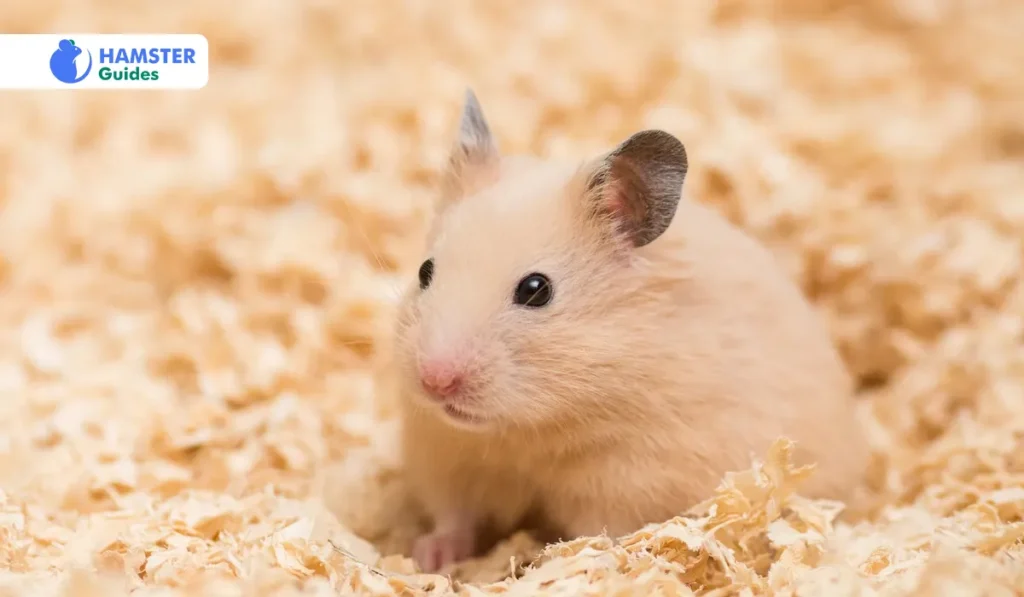
It is pleasant to form a close relationship with your Syrian hamster. Although every hamster is various, a few basic guidelines may assist you in building a loving and good bond with them.
Developing a strong connection with your Syrian hamster requires patience and comprehension. While they begin to know you properly, your hamster will eventually feel relaxed and reveal the unique traits that make them wonderful.
To further enhance your hamster’s general health, it is also essential that you provide them with surroundings that engage them. To improve the living area, consider adding new things to play with, including chew toys, wheels, and tunnels. These activities reduce boredom, enhance normal behaviors, and give mental and physical activity.
Additionally, giving your hamster a variety of snacks might help solidify your bond. Fresh vegetables and fruits like apples, carrots, and broccoli belong to a variety of items that golden hamsters like to consume. Feeding into your hamster’s desires will sometimes assist him or her in forming enjoyable relationships.
Common Golden/Syrian Hamster Myths Debunked
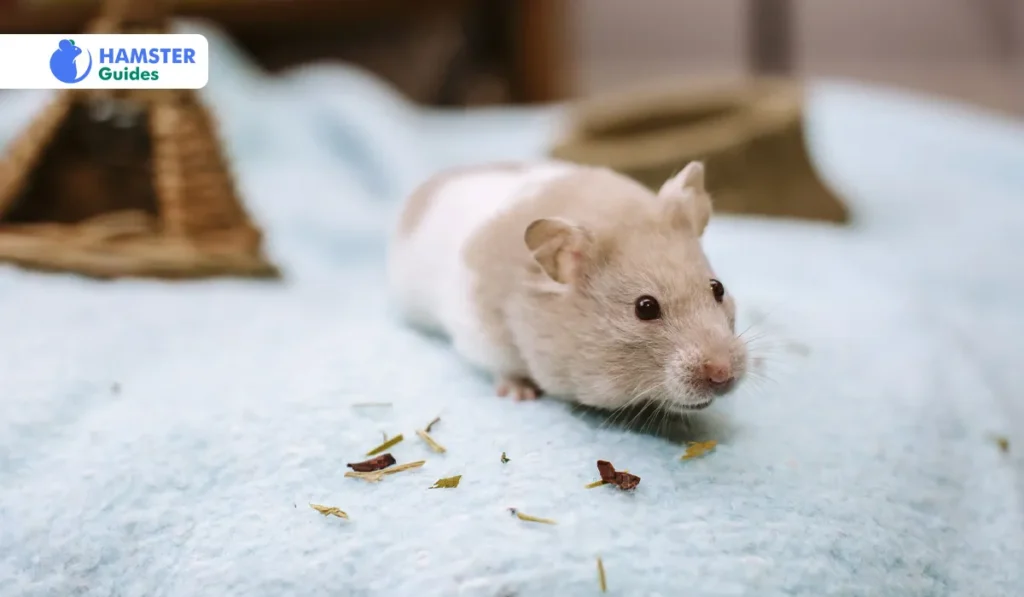
Some common misconceptions about Syrian hamsters need to be refuted to preserve their health properly with sufficient care.
By debunking such myths, we can ensure Syrian hamsters obtain all the affection and protection they require, ultimately benefiting their pleasure and overall health.
The Low-Cost Myth
It is commonly believed that hamsters are affordable pets, but this must be refuted. The high cost of caring for hamsters ought to be taken seriously, although the animals themselves may be quite inexpensive.

Bedding, toys, food, and periodic veterinarian visits are extra expenses that belong to the original costs of the right residence and accessories. It is essential to set aside money for such costs to be able to make sure that your hamster obtains the care necessary and remains strong for every day of their life.
Related Resource: Can hamsters eat blueberries?
Scientific Contributions:
Syrian hamsters have contributed to human medicine far beyond what most pet owners realise. Syrian hamsters continue to play a key role in research into lipid and glucose metabolism, aging, skeletal and cardiac muscular dystrophy, oral carcinogenesis, and circadian rhythm.
More recently, researchers developed transgenic hamster lines expressing human genes, including the human ACE2 receptor, creating a key model for COVID-19 research, and have used hamsters to study cancer, metabolic syndrome, circadian rhythm, and viral infections in multiple countries.
The hormone release from the hypothalamic-pituitary-adrenal axis in humans is more similar to that of hamsters than to that of other rodents, making hamsters a particularly valuable model for studying behavioural and neurochemical responses to stress.
In 2014, Syrian hamsters accounted for 14.6% of all animal research participants in the United States covered by the Animal Welfare Act, a statistic that underscores just how important these small animals are to modern medicine.
Some Interesting Facts:
The Final Words
Many households worldwide benefit from the happiness and firmness that Syrian hamsters offer. You may provide these adorable pets with a caring and engaging home by being conscious of their specific traits, environmental requirements, and care needs. With appropriate treatment and care, your golden hamster can thrive as a beloved family member for a long time.


Leave a Reply