

Can A Hamster Eat Carrots?
Many pet parents ask can hamsters eat carrots when preparing their own salads. The direct answer is yes, both the orange taproot and the green leafy tops are completely safe for your tiny companion.
However, because this root vegetable is surprisingly dense in natural sugars, you must restrict portion sizes strictly based on your pet’s specific breed.
This guide breaks down the exact measurements you should follow, the hidden dangers of improper slicing, and why the leafy green tops might actually be the healthiest part of the plant.
Nutritional Facts Of Offering Carrot To Hamster
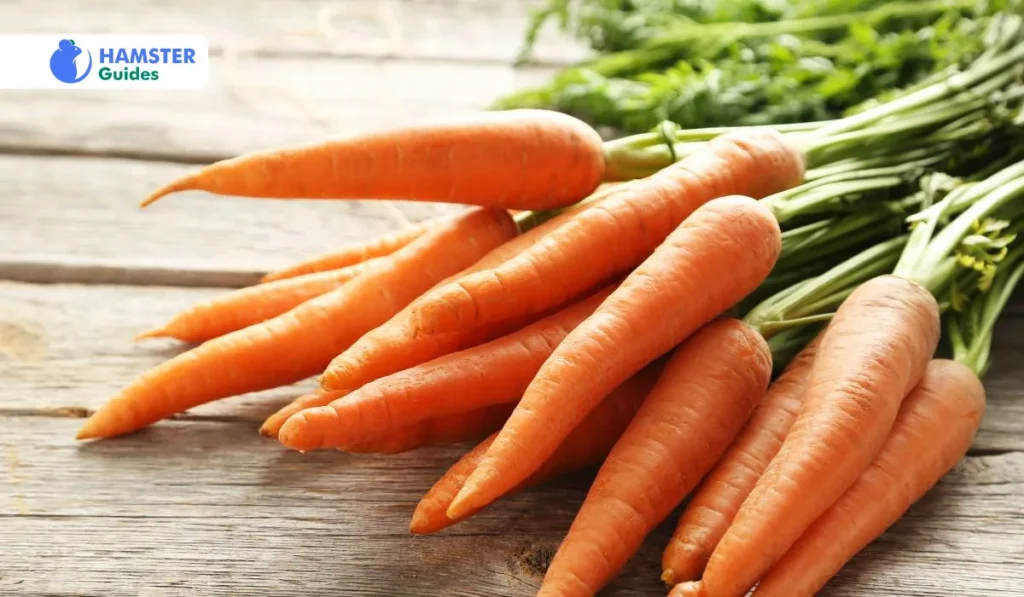
Delicious and crunchy carrots are the best source of vitamins and minerals. For hamsters, carrots are a safe and wholesome treat with numerous health perks. This is a chart showing the various nutrients found in carrots.
| Nutrient | For every 100 grams |
| Calories | 41kcal |
| Carbohydrates | 9.6 g |
| Sugars | 4.7 g |
| Fiber | 2.8 g |
| Protein | 0.9 g |
| Fat | 0.2 g |
| Vitamin A | 835 μg |
| Vitamin C | 7.7 mg |
| Vitamin K | 13.2 μg |
| Potassium | 320 mg |
| Calcium | 33 mg |
| Iron | 0.3 mg |
Benefits Of Offering Carrots To Hamsters

Carrots are a nutritious addition to the hamster’s diet, packed with essential vitamins and minerals, providing health benefits to these adorable rodents. We will explore the different benefits of feeding carrots to your hamster:
While the orange root gets all the attention, the green leafy tops are actually a superior treat for your furry friend. Carrot greens contain significantly less sugar than the taproot and are packed with rough dietary fiber.
You can safely offer a thoroughly washed sprig of carrot leaves once a week. This satisfies their natural urge to forage for fresh greens without spiking their blood glucose levels.
Bonus information: Most of us are familiar with orange-colored carrots, but do you know that this nutritious vegetable comes in different colors? Carrots exist in various colors, from yellow and white to purple and red.
Risks Of Not Following Moderation
When we think about caring for our furry friends, moderation is more than a suggestion. It is essential to understand that point of moderation, as it can affect their well-being and health. Avoiding moderation can lead to risks and severe health issues.
Related Resource: Can Hamsters Eat Pears?
Can Hamsters Eat Celery and Carrots?
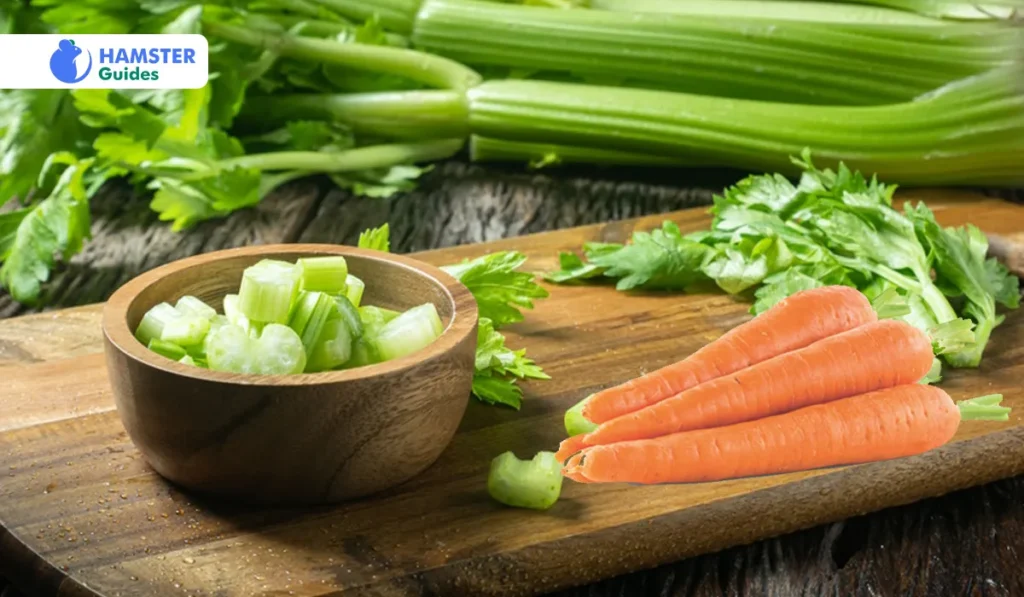
You can consider another choice: “Can hamsters eat carrots and celery?”. Adding celery to carrots can also enhance the nutrients and taste. However, ensure giving small chunks of celery because large chunks can cause choking health hazards for hamsters.
The Danger of the “Coin” Cut
Most generic care guides tell you to cut vegetables into small pieces, but the specific shape matters immensely for small rodents. You must never slice this vegetable into perfectly round coins.
When a hamster stuffs a flat, wet coin shape into its dry cheek pouch, the moisture can cause it to act like a suction cup against the delicate inner lining.
Because they cannot use their paws to pry it loose, this causes severe, rotting impactions. You must always slice root vegetables into thin, jagged matchsticks to ensure they slide into and out of the cheek pouches with zero resistance
Can A Dwarf Hamster Eat Carrots?
In my veterinary practice, I frequently treat Campbell’s and Chinese dwarfs for severe obesity and early stage diabetes.
Owners are often shocked to learn that feeding their pet “healthy” baby carrots daily caused the massive weight gain. I always instruct my clients to treat this specific vegetable exactly like a sweet fruit.
I recommend offering a single, matchstick sized sliver only once every two weeks for dwarf breeds, which ensures their blood sugar remains perfectly stable.
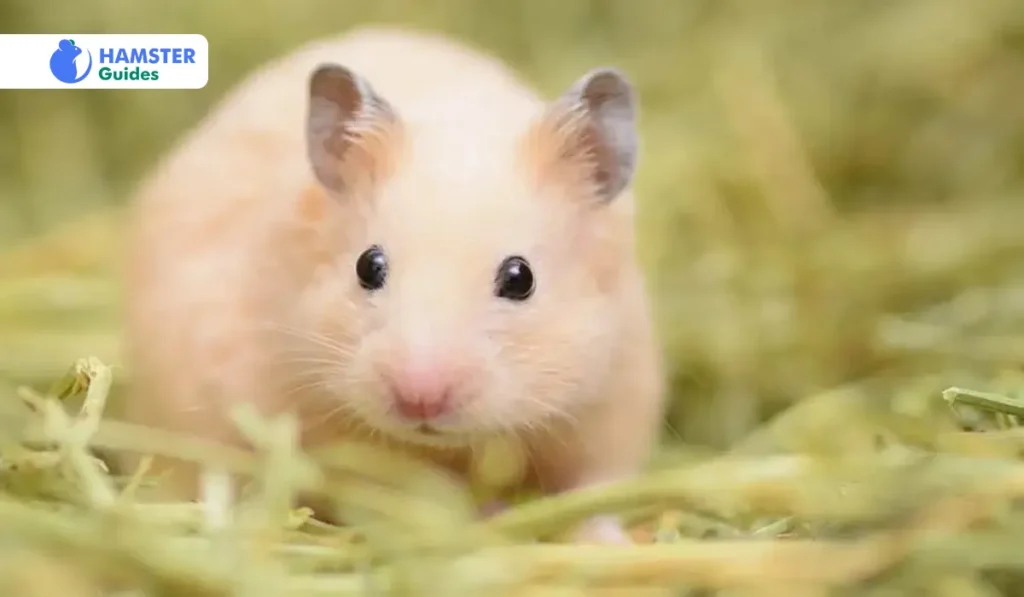
Carrots are a safe and healthy hamster diet; even dwarf hamsters can eat carrots. However, when feeding a dwarf hamster carrots, they should only make up 10% of their diet. Carrots should be fed in tiny pieces. Overfeeding with carrots can cause diseases like obesity and diabetes.
Related Resource: Can Hamsters Eat Snow Peas?
Preparing Carrots For Hamsters- Tips For Safe Feeding
Properly preparing their food is essential to making it easy and safe when feeding them carrots. Start your preparation by washing carrots to remove all dirt, then peeling off the outer layer, as it is difficult for the hamster to digest. Now, cut the carrot into small pieces to avoid choking hazards.
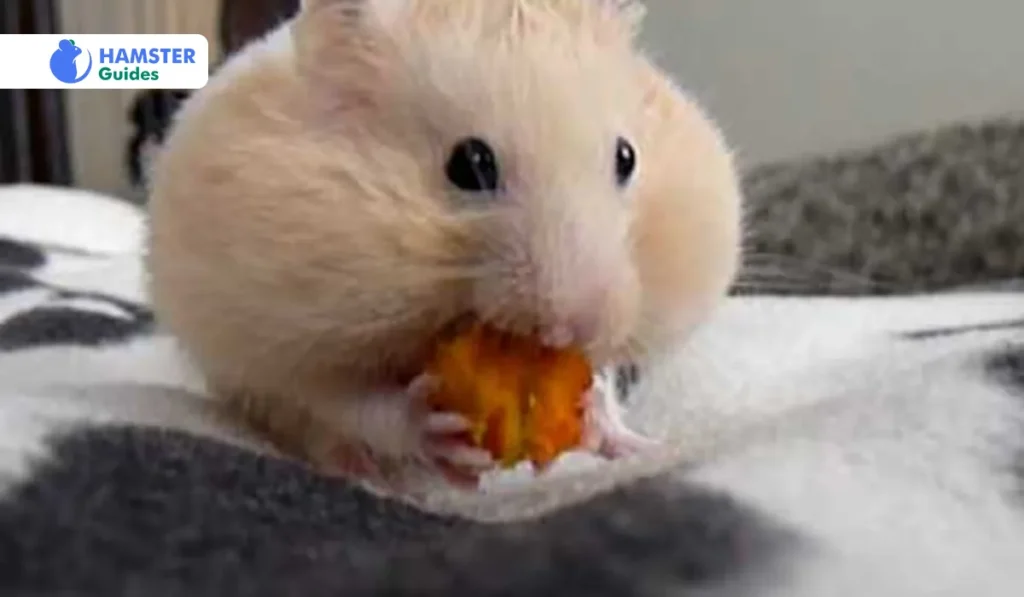
Moderation in a hamster’s diet is significant. Excess of any food is unsuitable for hamsters, as it causes diseases in hamsters. Carrots are high in sugar.
Related Resource: Can Hamsters Eat Blackberries?
Cooked Carrots and Raw Carrots
| Aspect | Raw carrots | Cooked carrots |
| Texture | Crunchy | Softer |
| Nutrient retention | High | Moderate |
| Vitamin C content | Moderate | Moderate |
| Fiber content | High | High |
| Water content | High | High |
| Ease of digestion | It may be harder for some to digest | Easier for digestion |
| Taste | Fresh and crisp | Softer and sweeter |
| Cooking method | Not cooked | Boiled, steamed, roasted, or sauteed |
| Suitable for | Hamsters who prefer crunchier textures | Hamsters with dental issues or those who prefer softer textures |
This comparison table will help you choose the best for your hamster’s dietary needs.
Freshness Counts: Get rid of any fruit that hasn’t been consumed immediately to keep the environment tidy and avoid rotting.
Exploring Other Nutritious Treats For Hamsters
We can add so many other fruits and vegetables with carrots as a treat for your hamsters. The thought that overlies the pet owner’s mind: “Can hamsters eat carrots and cucumbers?” Answering this question is mandatory. Since carrots and cucumbers contain nutrients and enhance the taste, hamsters can eat both.
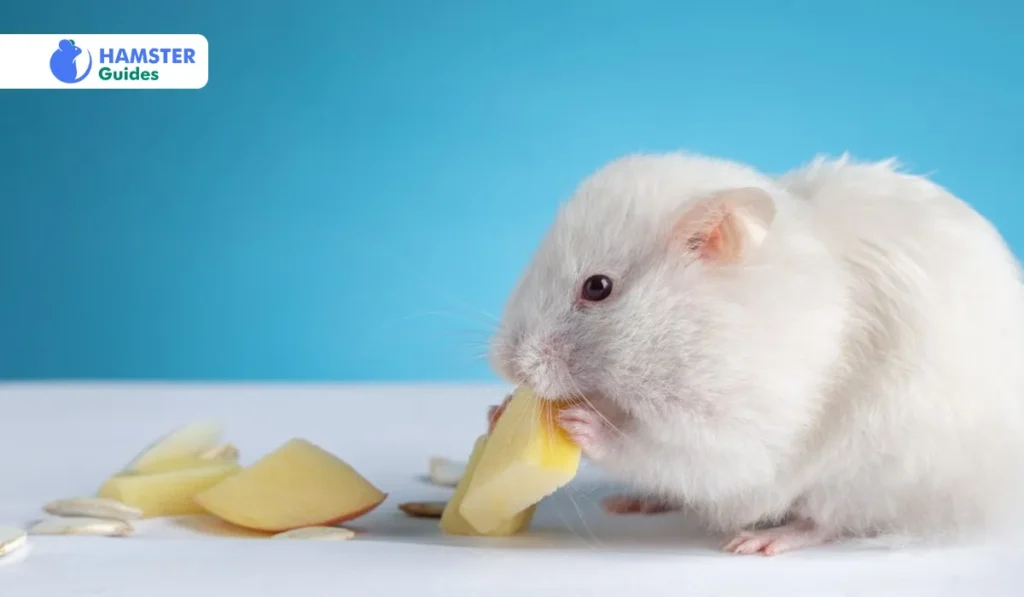
When trying to expand your hammy’s treat, you might wonder, “Can hamsters eat carrots and cabbage?” Combining these two veggies can enhance the taste and make it a nutritional treat for your hamsters. Cabbage contains excellent nutrients like vitamins C, K, and calcium and compliments the dietary benefits of carrots.
A hamster can eat numerous other fresh fruits and vegetables, including spinach, kale, Romanian lettuce, and dandelion. Additionally, when it comes to “Can hamsters eat carrots and lettuce?” Hamsters can eat both, as carrots and lettuce can be another delicious hamster treat. However, excessive sweets can cause your furry companion to gain weight.
Freshness Counts: Get rid of any fruit that hasn’t been consumed immediately to keep the environment tidy and avoid rotting.
Introducing New Food- Essential To Know
When introducing new food to your furry friend, it is important to monitor his reaction. Some hamsters show sensitivities to some foods and can have allergies to any food, so monitoring their behavior and digestive health is significant. If you see any discomfort, consult your veterinarian and ask for guidance.
Additional information: Monitor the chewing habits of your hamsters as they have continuously growing teeth. Give them crunchy food, which helps them wear down their teeth.
The Final Words
Hamsters enjoy the crunchy delight of carrots. Nutritious vegetables are part of a balanced diet, providing vitamins and minerals. The diverse range of vegetables ensures that all essential nutrients are supplied to hamsters. You can give hamsters a happy and healthy life with proper care and attention.


Leave a Reply