

Roborovski Dwarf Hamster
The Roborovski dwarf hamster (Phodopus roborovskii), often called a “Robo”, is the smallest and fastest pet rodent available.
Native to the harsh deserts of Central Asia, these tiny creatures possess boundless energy. Many new pet parents frequently ask what do Roborovski hamsters eat to safely fuel their incredibly active lifestyles.
To safely fuel their incredible energy levels, these tiny desert dwellers primarily eat a carefully balanced diet of high quality seed mixes, commercial pellets, and protein rich insects.
Because of their rapid metabolism and specific genetic background, providing the correct nutritional balance is absolutely crucial to their longevity.
This comprehensive guide covers their ideal dietary plan, corrects common behavioral myths, and provides everything you need to create the perfect desert habitat for your new tiny companion.
The Origin and History of the Roborovski Dwarf Hamster
Phodopus Roborovskii is the scientific name of the Roborovski dwarf hamster. They originally came from the deserts of Central Asia. It is mostly found in China, Mongolia, and Russia. This hamster was discovered by Russian explorer Lt. Vsevolod Roborovski in 1894.
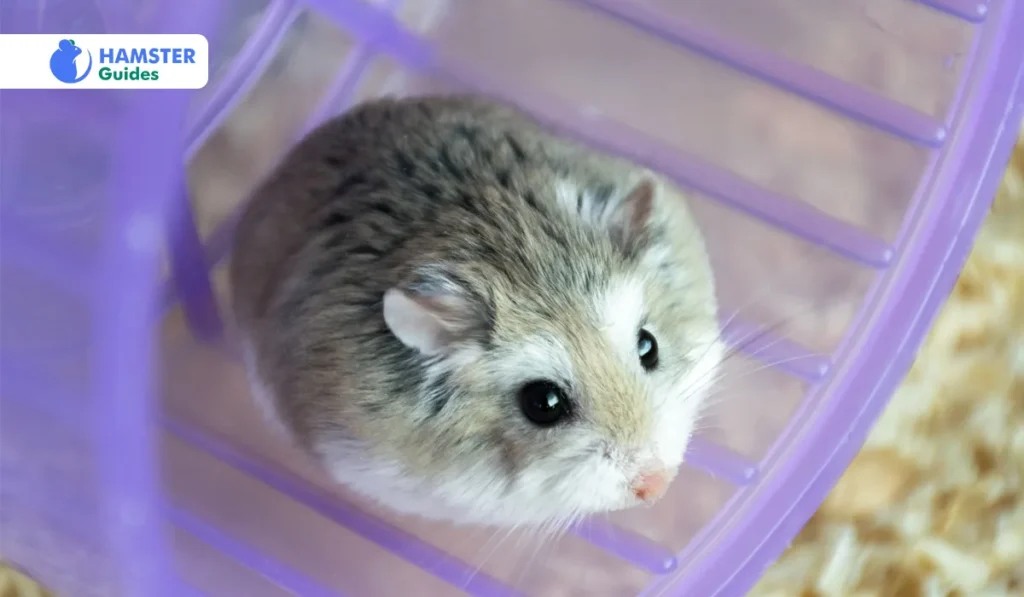
That’s why they named Roborovski hamsters. Even though they’ve been domesticated as pets. They still have many instincts and behaviors from their desert background.
They evolved to dig intricate burrows and conserve water in harsh climates; those wild adaptations explain their preference for deep substrate and nocturnal activity. Because they live in deep burrows in the sandy desert. These tiny hamsters are known for their speed and energy. So many people love them and want to keep them as pets.
Social Interactions and Behavior of Roborovski Dwarf Hamsters
Roborovski dwarf hamsters are social animals. so they can happily live in pairs or small groups of other Roborovski hamsters. But be careful when introducing new hamsters to each other. It’s best to let them meet slowly and under supervision to keep things calm.
Roborovskis are fast, highly active and easily startled. They are primarily nocturnal or crepuscular — most active at dusk and through the night, though occasional daytime activity may occur. Many owners successfully keep Robos in same-sex pairs or compatible groups if introduced properly, but temperament varies by individual. For taming, slow, consistent handling and a hand-feeding approach work best.
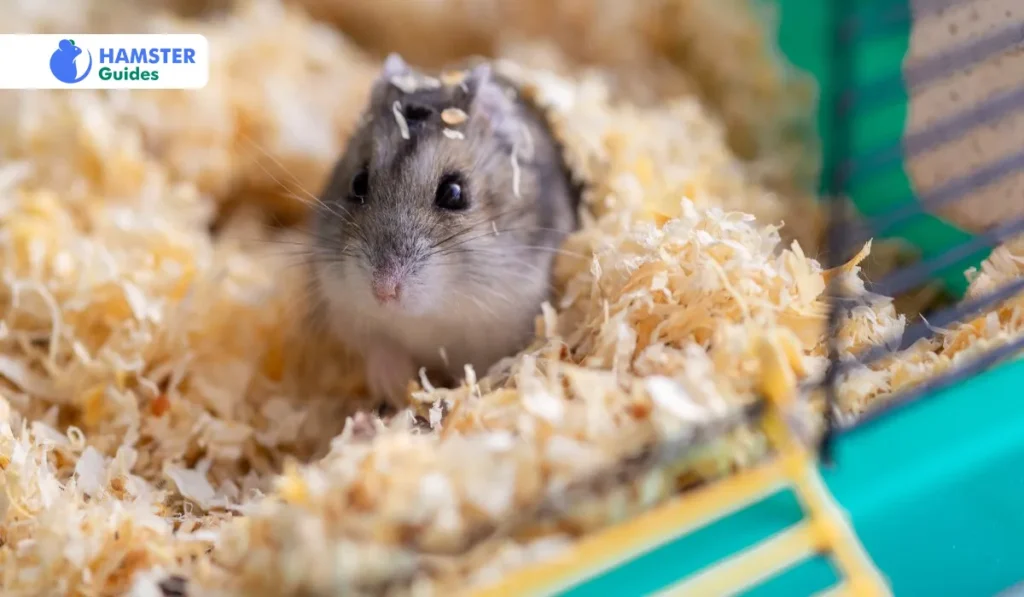
Due to their strictly nocturnal and crepuscular nature, Roborovski hamsters are actually fast asleep throughout the day. When they finally wake up at dusk, they explode with energy.
They love to explore, run for miles on their exercise wheels, burrow deep into their substrate, and forage for food. Because they are naturally skittish prey animals, you must never wake them up during daylight hours, as this causes severe stress and weakens their immune system.
You need to be gentle and patient when handling Roborovski dwarf hamsters. It’s important to win their trust slowly. You can do this by getting them used to your presence and touch. Manage some free time for them and give them treats. It makes them feel more secure. You and your pet can develop a close relationship via regular interaction.
Read More: Grey Dwarf Hamsters: A Comprehensive Guide
Breeding and Reproduction of Roborovski Dwarf Hamsters
Breeding of Roborovski Dwarf hamsters can be interesting but needs extra care. Make sure that the male and female hamsters are healthy and mature enough to mate. Normally, males are ready to reproduce at 7 to 9 weeks. While female hamsters can start a little bit early, at 5 to 7 weeks.
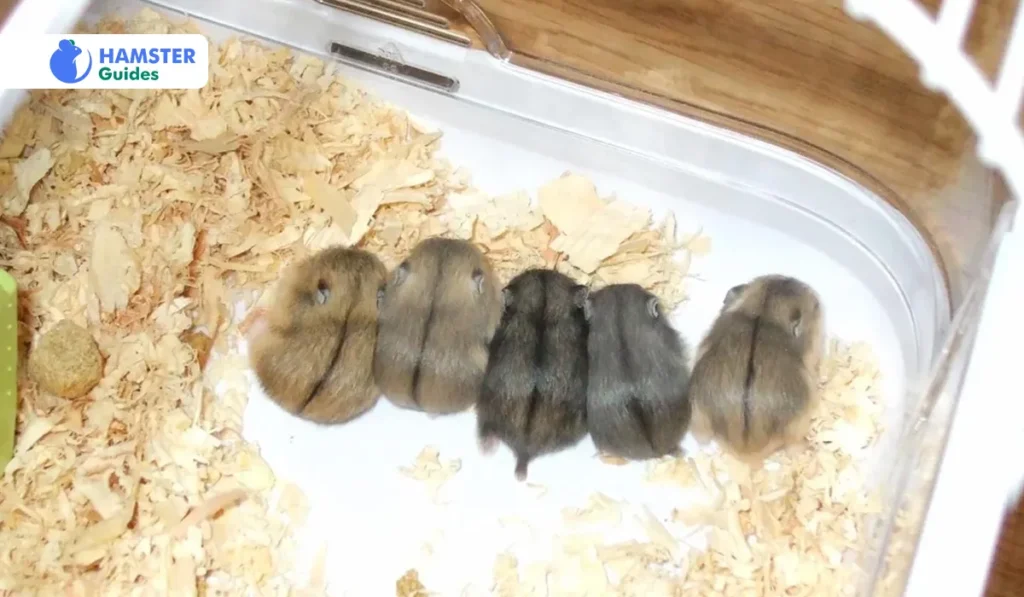
Roborovski Dwarf hamsters need a suitable setting and plenty of space to mate. Mother hamsters make a cozy and safe nest for their babies. So She needs bedding materials such as tissue and shredded paper.
Moreover, as compared to other species, Roborovski dwarf hamsters have a big litter. They can give birth to 4-6 babies at once. The pregnancy time of a mother hamster is about 22-30 days. When their babies are born, they are hairless and blind.
Read More: Do Hamsters Eat Their Babies?
Common Health Problems in Roborovski Dwarf Hamsters
Like all animals, Roborovski dwarf hamsters can become ill. Hamster owners must learn about their potential health issues. So they can take proper care of their pet. It also helps them keep their hamster healthy.
Read More: How To Take Care Of A Hamster?
It is crucial to maintain their general health as well. Give them a proper and healthy diet. Keep them mentally and physically busy. Provide activities to run and play. If they feel unwell, contact a vet as soon as possible.
Nutrition and Dietary Needs of Roborovski Dwarf Hamsters
In the wild, these rodents spend hours searching for tiny seeds. Instead of dumping their daily pellet mix into a single ceramic bowl, you should scatter their seed mix directly across the surface of their paper bedding. This enrichment feeding method forces them to use their powerful sense of smell to forage for their dinner, burning off excess energy and preventing cage boredom.
Roborovski dwarf hamsters’ health and lifespan depend on eating a good mix of healthy foods. Feed a high-quality dwarf hamster pellet or mix formulated for dwarf hamsters, supplemented with small amounts of fresh vegetables like broccoli, carrots, and apples and occasional protein treats (boiled egg, mealworms).
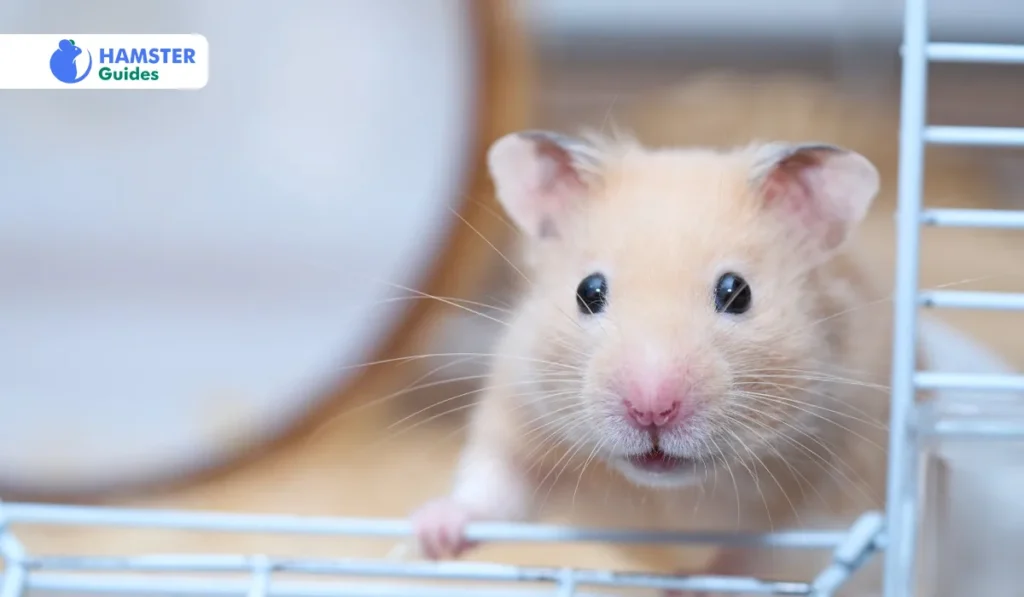
Avoid high-sugar treats and citrus fruits. Always provide clean water via a tested sipper bottle and check it daily.
Read More: How Long Can Hamsters Go Without Food?
Do not give them sugary and fatty meals. Because these can cause diabetes and weight gain in hamsters. Ensure the regular availability of clean and fresh water.
In my veterinary practice, I frequently see Roborovskis suffering from severe obesity and early onset diabetes because owners feed them sugary yogurt drops. I always advise my clients to replicate their natural desert diet as closely as possible.
I feed my own clinic’s rescue Robo a high quality seed mix scattered directly into his enclosure, supplemented with live mealworms twice a week. This high protein, zero sugar approach keeps his weight perfectly stable and his energy levels exceptionally high.
Common Illnesses in Roborovski Dwarf Hamsters
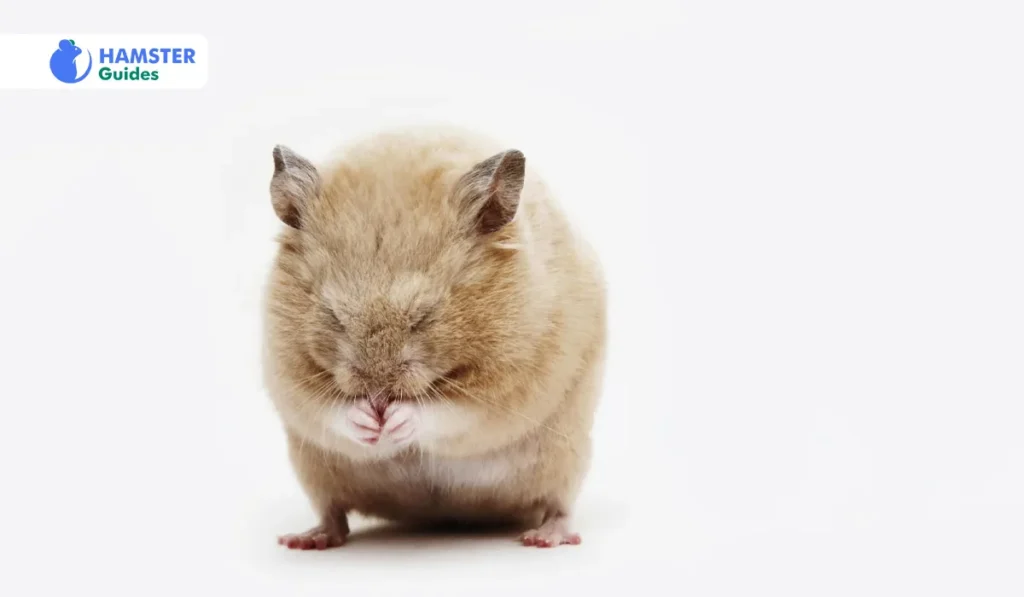
There are some common health issues in the Roborovaski Dwarf Hamsters. knowing these general problems can help you avoid them and keep your pet healthy. Here is a detailed view chart:
| Illness | Description |
| Dental Problems | Teeth can be overgrown or misaligned, which can cause injuries or eating problems. |
| Respiratory Infections | Breathing difficulties, Sneezing, and Wheezing are the signs of it. Improper bedding and drafts can be the reason. |
| Skin Issues (Mites) | Parasites like Mites can cause hair loss, skin rash, and itching. It needs an immediate cure. |
| Wet Tail | Stress and bacterial infections can cause Intense diarrhea. Which requires immediate treatment |
Roborovski and Other Dwarf Hamsters Species
Before determining whether to adopt a pet hamster, one should know the various features and traits of different hamster species. There are some special attributes that Roborovski dwarf hamsters have that make them different from other types.
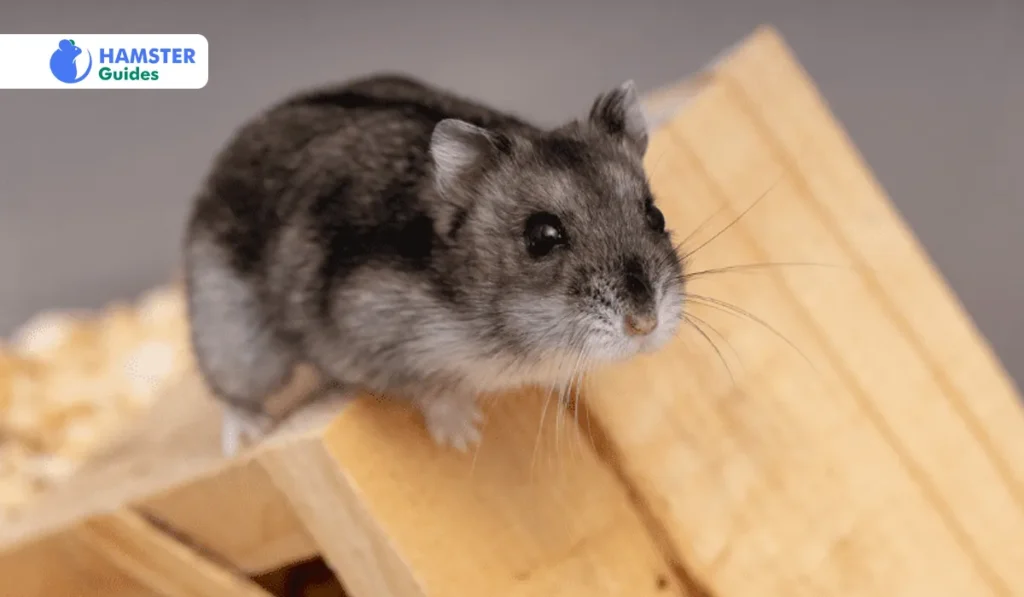
Compared with hamsters, like Syrian or dwarf Campbell hamsters, The smallest breed is the Roborovski dwarf hamster. These little creatures are very cute. Their average size ranges between 2-3 inches in length only. Hence, they require less space for housing.
Read More: Do Hamsters Live in The Wild?
Another thing about Roborovski Dwarf Hamsters is that they are known for being hyperactive and lively animals. Their quick movements combined with great jumping ability can be quite fascinating to observe. However, they may also have more difficulty handling them. As they are small in size and have faster agility than larger hamsters.
General Health Tips: To make your hamsters healthy, make sure they have a clean living area, a healthy diet without sugar and fat, and do proper exercise. Regular veterinary visits are also essential.
Cage and Housing Configurations for Roborovski Dwarf Hamsters
Roborovski dwarf hamsters need an appropriate living environment for their health. They are an active breed by nature. It means they need plenty of room to move, explore, exercise, and engage in surroundings.
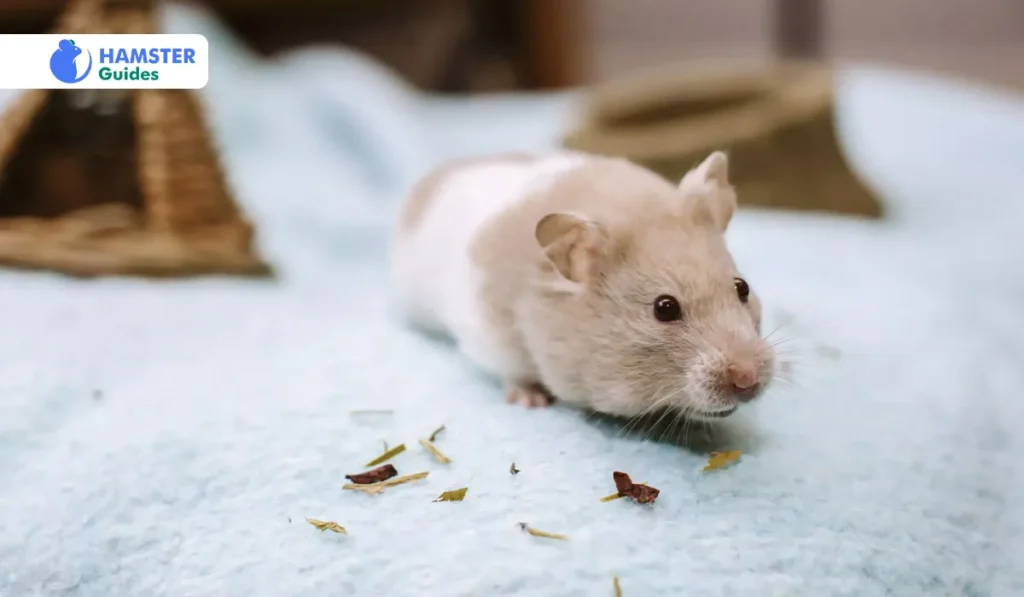
To prevent any possible escape, it’s advisable to choose a cage with horizontal bars placed closely together. Also, add multiple levels to it. Because they like to climb, jump, and move around, ensure a solid base for their cages to avoid any kind of foot injury.
Read More: Are Hamsters Nocturnal?
Provide a cozy nest for your pet Roborovski dwarf hamsters. Fill it with bedding that allows them to dig and burrow. Sheared Papers and aspen shavings work well for this. These activities help them to be healthy and happy.
Because they originate from sandy desert environments, Robos produce a high amount of natural skin oils. You must provide a large, shallow dish filled with reptile safe desert sand (never dusty chinchilla dust) inside their enclosure.
They will aggressively roll in this sand bath daily to strip away excess grease and keep their coats perfectly clean and healthy.
Roborovski Dwarf Hamster Cage Requirements
Some specifications are required for Roborovski dwarf hamsters. You need to know about bedding, temperature, and hygiene.
Below are some details for the cage requirement:
| Cage Requirement | Description |
| Cage Type | Wire cage of narrow bar spacing or Glass aquarium |
| Size | At least 60 cm by 30 cm or 24 inches by 12 inches |
| Enrichment | Climbing toys, hides, Exercise wheels, or tunnels |
| Bedding | Paper or aspen-based bedding |
| Hygiene | Regular cleaning once a week and occasional spot cleaning |
| Temperature | 18-24°C or 65-75°F avoid sudden modifications |
| Lighting | Natural daylight cycle of 12-14 hours light and 10-12 hours of darkness |
| Food and Water | Hamster mix is added to treats of fresh vegetables and fruits. Ensure fresh water is available daily. |
Taming and Handling Techniques for Roborovski Dwarf Hamsters
Roboroski dwarf hamsters may take some time to trust you. You need gentle handling and patience with them. Give your hamster some time so they can settle down in an unfamiliar environment and feel safe, too.
Firstly, try not to make any quick movements while placing your hands inside the cage. Let them come near at their own pace until they get used to your presence around them. Give them treats by your hands. It can help to build trust and pleasant bonds with them.
When picking up your hamster, gently scoop it up with both hands. Give it full protection to avoid any injury. It’s important not to squeeze or hold it tightly, as their fragile body may cause stress or even injury.
Interesting Trivia and Facts about Roborovski Dwarf Hamsters
Roborovski dwarf hamsters are very interesting animals that possess different unique features about them.
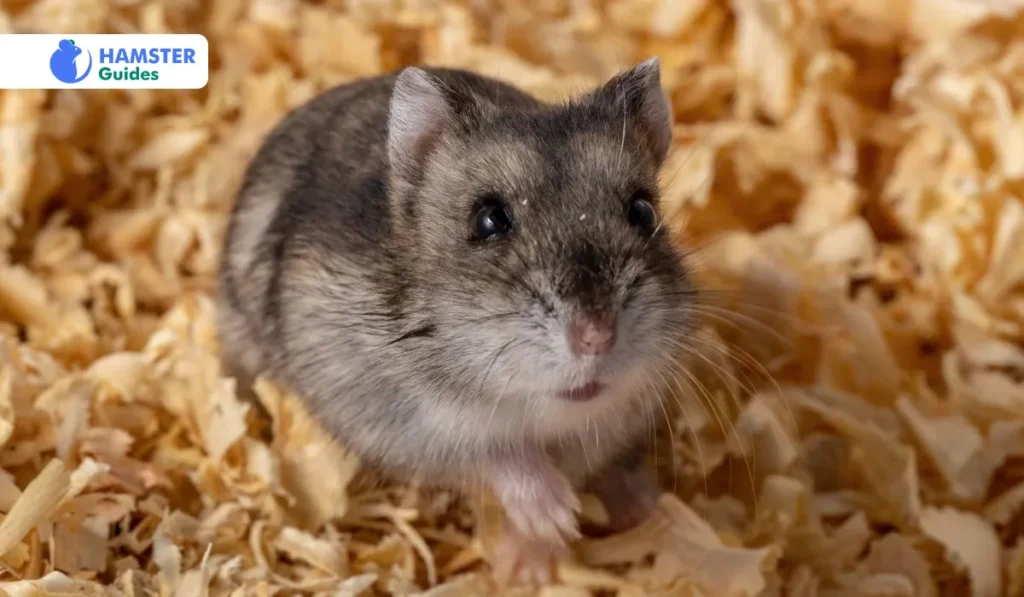
Below are some fun facts and trivia associated with these small-sized pets:
Physical features of the Roborovski Dwarf Hamster
Roborovski dwarf hamsters have some distinct physical features that make them different from other hamsters. With good care they typically live about 2–4 years in captivity; factors such as diet, genetics and veterinary attention influence longevity. If you present a numeric lifespan, cite it (many hobby sources and vets report 2–4 years).
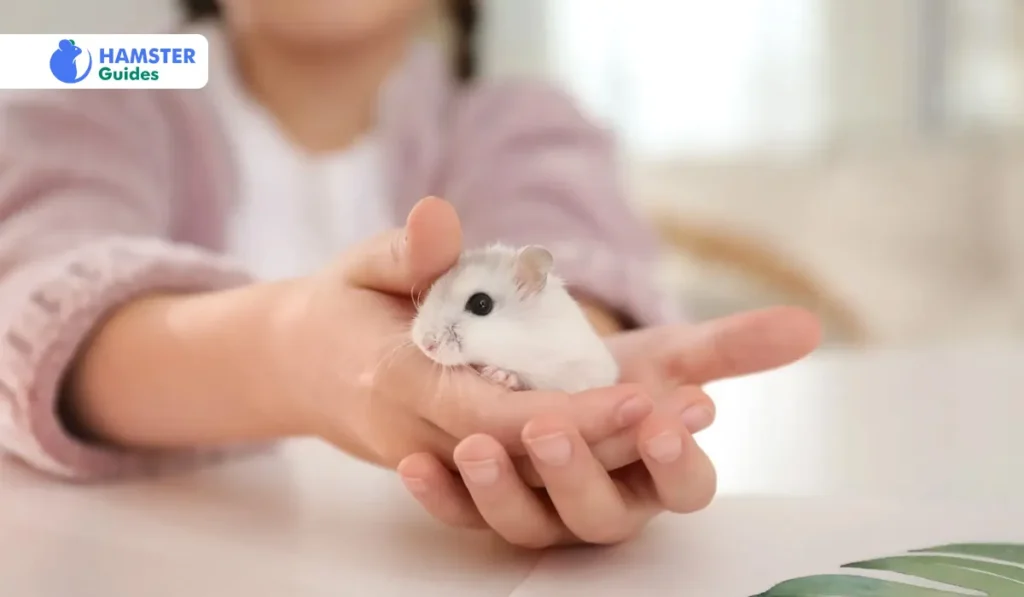
Some of these are the following:
Characteristics of Roborovski Dwarf Hamster
There are following unique characteristics of Roborovski dwarf hamster that make them stand out among other species.
| Characteristic | Description |
| Lifespan | 2-3 years |
| Colors | Sandy brown agouti with a white underside and distinct white eyebrows. |
| Size | Almost 2 inches or 5 cm in length |
| Cage Size | At Least 60 cm by 30 cm or 24 inches by 12 inches |
| Social Behavior | if introduced early and get along well, they can be kept alone or in pairs/groups |
| Diet | Omnivorous |
The Ending Notes
Roborovski hamsters are excellent pets for owners who appreciate active, burrowing, fast-moving animals and who can provide deep bedding, generous floor space, and a calm daytime environment. With proper housing, diet, and minimal but patient handling, Robos make rewarding small companions. If you care for them and give them a safe and comfortable environment, your Roborovski dwarf hamster will be happy, healthy and live a longer life.


Leave a Reply