
Can Hamsters Eat Radishes? Vet-Approved Saftey Guide & FAQ
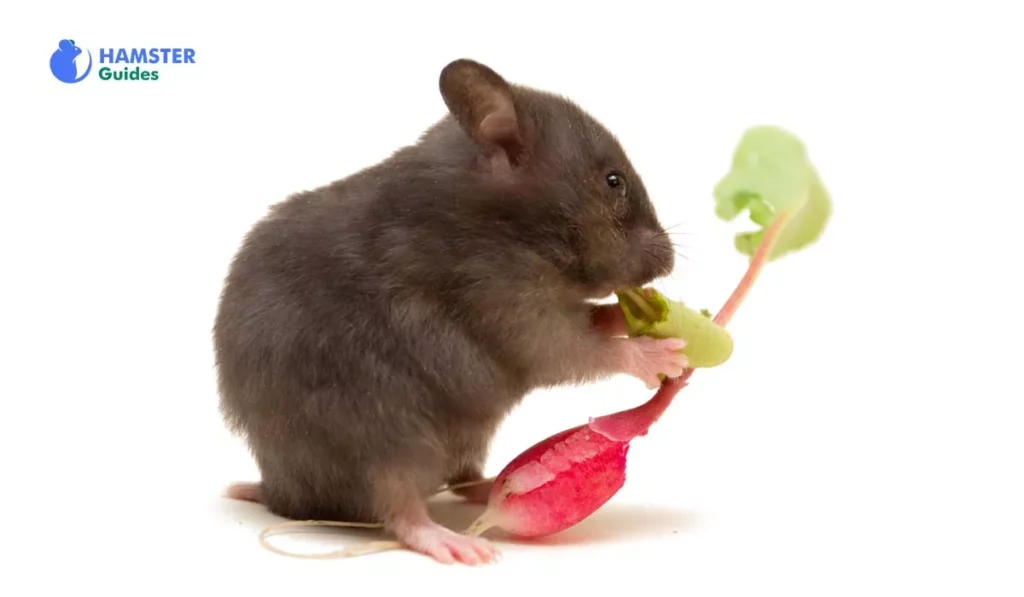
Yes, hamsters can eat radishes, but strict moderation is essential. Syrian and Roborovski hamsters can safely enjoy 1–3 thin slices weekly, with each piece no larger than 1 centimeter. However, dwarf hamster breeds (Campbell’s, Winter White, and Chinese) generally have more sensitive digestive systems; while radishes are low in sugar, the spicy compounds can cause digestive distress and should be limited to rare occasions or avoided.
Radishes offer nutritional benefits including vitamin C, B vitamins, and fiber, but they also present risks if overfed. The key is understanding which radish types are safe, proper portion sizes for different hamster species, and how to introduce this crunchy vegetable without causing issues.
| Hamster Species | Safe to Eat? | Max Portion Frequency | Additional Notes |
| Syrian | ✅ Yes | 1-3 thin slices / week | Tolerate well. |
| Roborovski | ✅ Yes | 1-2 thin slices / week | Monitor stool. |
| Campbell’s | ⚠️ Caution | 1 tiny sliver / month | Prone to digestive upset. |
| Winter White | ⚠️ Caution | 1 tiny sliver / month | Better to choose other veggies. |
| Chinese | ❌ Avoid | None recommended | Digestive system is too sensitive. |
Understanding Hamster Dietary Needs
Hamsters are omnivores with specific nutritional requirements that differ significantly from humans. In their natural habitats across Syria, Mongolia, and parts of Asia, wild hamsters forage for a varied diet of seeds, grains, insects, and occasional vegetation. This natural dietary pattern should guide how we feed our domesticated companions.

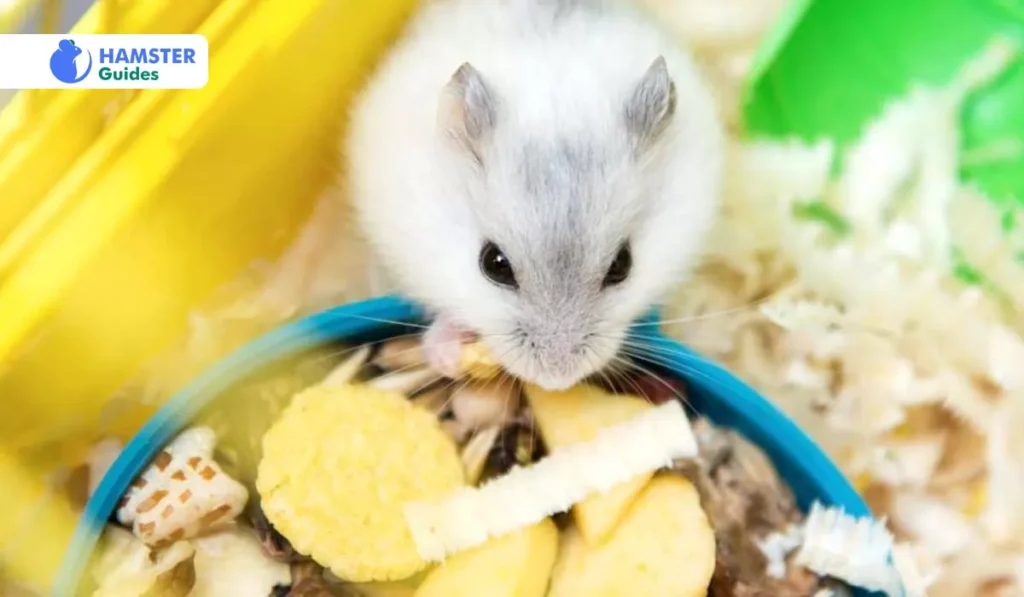
A healthy hamster diet consists of 75-80% high-quality pellet food formulated specifically for hamsters, 15-20% fresh vegetables, and less than 5% treats (fruits/protein). Radishes fall into the vegetable category, serving as an occasional supplement rather than a dietary staple. The vegetable’s high water content (95% water) makes it refreshing, but the potential digestive effects require careful portioning.
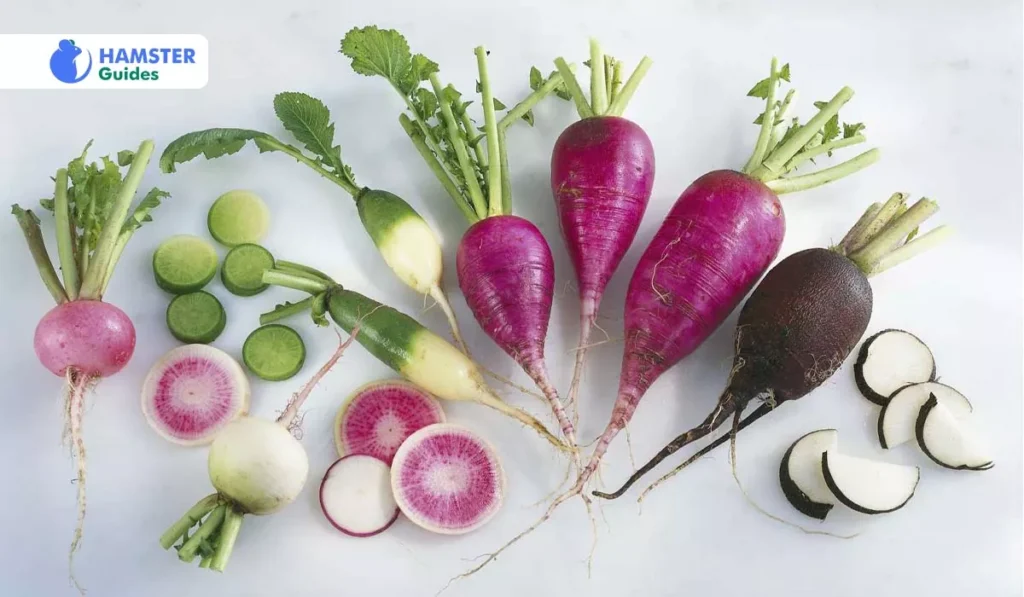
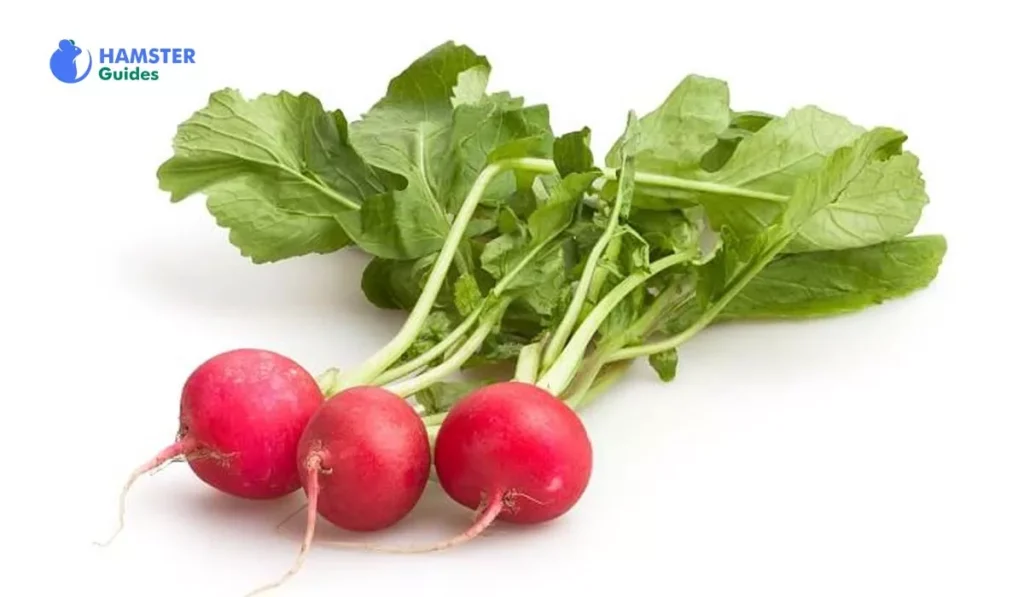
Extra Tips: Choose the right kind of radish. Hamsters may safely eat modest amounts of red and white radishes. Due to its decreased oxalic acid content, water radishes are a healthy option for hamsters.
Nutritional Profile of Radishes
Radishes pack surprising nutritional value into their crisp, peppery roots. Per 100 grams of raw radish, you’ll find only 16 calories, making them one of the lowest-calorie vegetables available. This is helpful for hamster owners concerned about obesity, which affects an estimated 30-40% of pet hamsters.
Key nutrients include:
- Calcium (25mg per 100g): Strengthens bones and teeth while supporting muscle contractions.
- Iron (0.34mg): Enables red blood cell production and oxygen transport.
- Magnesium (10mg): Facilitates energy production and DNA synthesis.
- Potassium (233mg): Helps regulate blood pressure and supports heart function.
- Vitamin B Complex: Particularly riboflavin and folate, which maintain healthy skin and fur.
- Fiber (1.6g per 100g): Aids digestive health by promoting gut motility (though too much can cause gas).
Note: While radishes contain Vitamin C (14.8mg), hamsters synthesize their own Vitamin C internally, so this provides minimal additional benefit compared to humans.
Related Resource: Can Hamsters Eat Grasshoppers?
Which Hamster Species Can Eat Radishes?
Syrian Hamsters
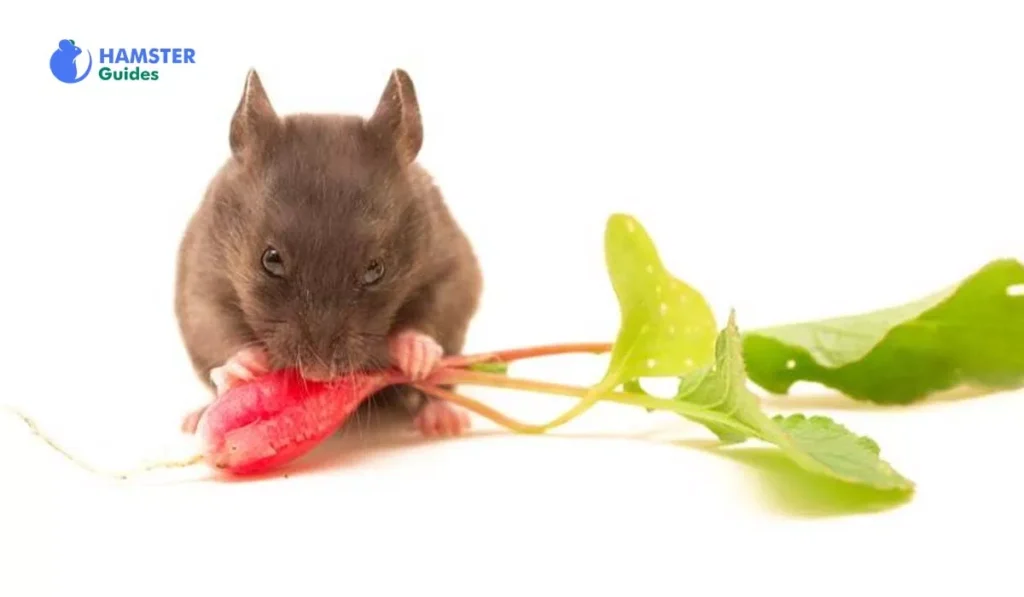
Syrian hamsters (Golden or Teddy Bear) are the largest domestic species and tolerate radishes well. Their robust size (150-200g) and efficient digestive systems allow them to process the spicy glucosinolates in radishes without significant risk.
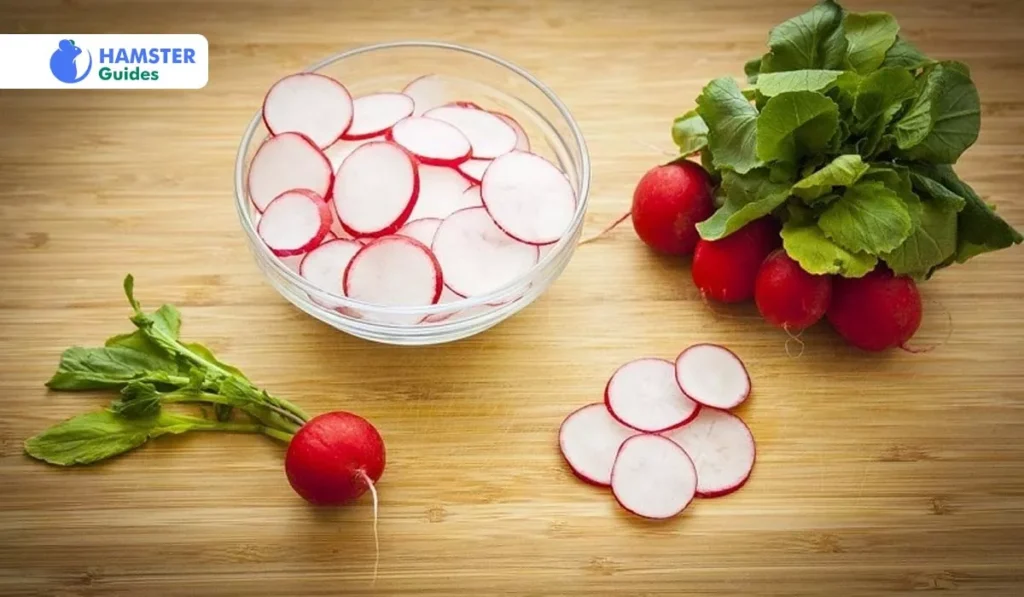
Recommended Dose: 1-3 thin slices per week (approx. 1cm diameter, 3mm thick).
Roborovski Dwarf Hamsters
Despite being the smallest species, “Robos” possess surprisingly resilient digestive systems comparable to Syrians. Their active metabolism allows them to handle occasional radish treats.
- Recommended Dose: 1-2 very thin slices weekly (sized for their 20-25g body weight).
Campbell’s & Winter White Dwarf Hamsters
These species are genetically predisposed to diabetes. While radishes are actually quite low in sugar (approx 1.8g per 100g), they are acidic and spicy. Dwarf hamsters have sensitive gastrointestinal tracts that may become irritated by these compounds.
- Recommended Dose: Proceed with caution. If you must offer radish, limit it to one paper-thin slice monthly. It is safer to choose milder vegetables like zucchini.
Chinese Hamsters
Chinese hamsters are the most sensitive of the group. Veterinary nutritionists strongly recommend avoiding radishes for Chinese hamsters entirely. Their specific metabolic requirements make them poorly suited for processing the spicy oils found in root vegetables.
Critical Safety Rule: Radish Root Only?
The Root: Feed the radish root (the round red part). The Leaves: Unlike the root, radish leaves are not spicy, but they are very high in calcium. While not “toxic” in the traditional sense, feeding leaves regularly can cause bladder sludge or stones.
- Verdict: Stick to the root. If you feed a leaf, offer only a tiny, well-washed piece as a rare treat. The Seeds: Avoid seeds entirely as they can be a choking hazard or contain concentrated compounds.
Warning: Spice Levels
Choose mild radish varieties like Cherry Belle (common red) or French Breakfast. Avoid intensely spicy varieties like Daikon or Horseradish. The capsaicin-like compounds in spicy radishes can irritate your hamster’s delicate digestive lining.
- Test It: If you bite into a radish and it burns your tongue, it is too spicy for your hamster.
Hygiene Check: Always purchase organic radishes when possible, or thoroughly wash conventional radishes to remove pesticide residues. Scrub under running water to ensure safety.
Related Resource: Can Hamsters Eat Peppers?
How to Safely Introduce Radishes to Your Hamster
1. Start with a Tiny Test Portion The first time you offer radish, provide a piece the size of your pinky fingernail (3-4mm cube). Place it in the food dish during evening active hours.
2. Watch for Digestive Reactions Negative reactions typically appear within 6-12 hours. Look for:
- Watery droppings (diarrhea)
- Soiled hind-quarters (Wet Tail risk)
- Hunched posture (abdominal pain) If you see these, stop feeding radish immediately.
3. Gradual Increases If tolerated, increase the serving size slowly over 2-3 weeks, moving from a fingernail-sized piece to a thin slice.
4. Not a “Starter” Vegetable Radishes should not be the first fresh food you introduce. Start with gentler options like cucumber or romaine lettuce. Once your hamster tolerates those daily, you can experiment with radishes.

Serving Guidelines & Storage
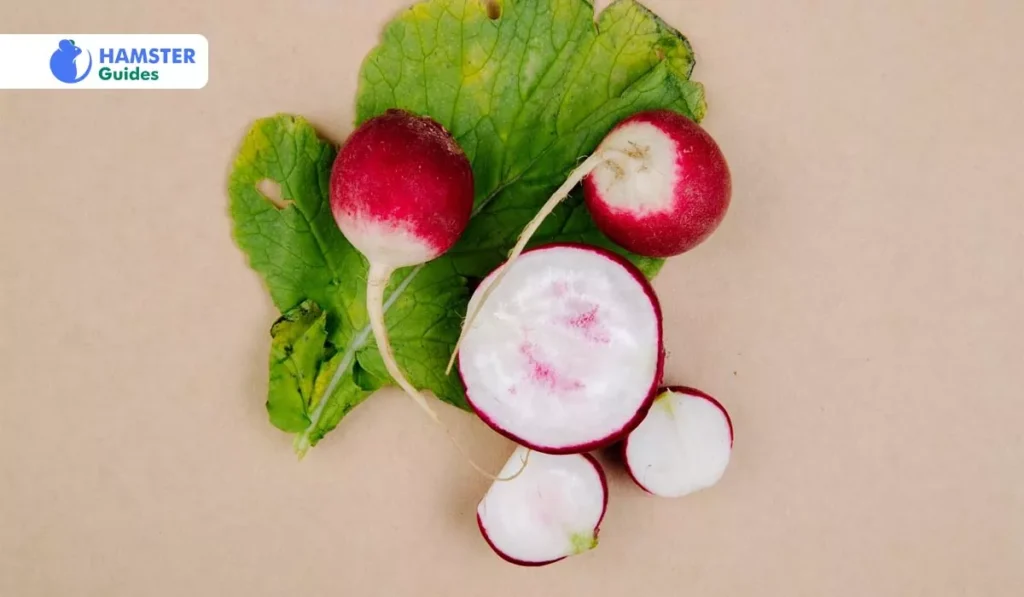
- Preparation: Serve raw and uncooked. Cut into thin “coins” to prevent choking.
- Storage Precautions: Hamsters hoard food. Fresh vegetables like radish can spoil rapidly in the nest, causing bacterial growth. Check your hamster’s nest daily and remove any cached radish pieces within 4-6 hours.
Health Benefits When Fed Correctly
- Digestive Support: The fiber stimulates healthy gut motility, preventing constipation.
- Low-Calorie Nutrition: A great treat for overweight hamsters to provide fullness without fat.
- Dental Benefits: The crunchy texture offers mild abrasive action to help clean teeth (though not a substitute for wood chews).
- Immune Support: B vitamins and antioxidants support overall cellular health and coat condition.

Related Resource: Can Hamsters Eat Bell Peppers?
Potential Risks and Hazards
Gastrointestinal Distress
The most common adverse effect of radish consumption is digestive upset. Symptoms include diarrhea, soft or watery stools, bloating, visible abdominal distension, and gas. These issues stem from the vegetable’s fiber content and mildly irritating compounds.
Hamsters with sensitive digestive systems or those unaccustomed to fresh vegetables face higher risk.
Diabetes Complications in Dwarf Species
Dwarf hamsters, particularly Campbell’s and Chinese varieties, can develop diabetes mellitus characterized by excessive urination, increased thirst, weight loss despite normal eating, and lethargy.
The natural sugars in radishes (1.86g per 100g) can exacerbate these conditions or trigger symptoms in predisposed individuals. If your dwarf hamster shows diabetic signs, eliminate all sugary foods including radishes immediately.
Electrolyte Imbalance
Excessive radish consumption can contribute to electrolyte imbalances due to the vegetable’s salt content, though this requires significant overfeeding. Symptoms include increased thirst, changes in urination patterns, muscle weakness, or coordination problems. This risk increases when radishes are fed daily or in large portions.
Choking and Cheek Pouch Issues
While rare, improperly sized radish pieces could pose choking hazards. Always cut radishes into thin, manageable slices appropriate for your hamster’s size. Additionally, hamsters may stuff cheek pouches with radish pieces, and the sharp edges could potentially irritate or puncture the delicate pouch lining.
Monitor your hamster during and after feeding to ensure they consume radish rather than hoarding it.

Signs Your Hamster Doesn’t Tolerate Radishes
Some hamsters simply don’t tolerate radishes well, regardless of portion size or gradual introduction. Watch for these red flags:

- Behavioral changes: Lethargy, reduced wheel running, hiding more than usual, or aggressive behavior when normally docile.
- Digestive symptoms: Diarrhea, constipation, visibly bloated abdomen, hunched posture, or decreased appetite.
- Physical signs: Wet or soiled fur around hindquarters, changes in droppings (color, consistency, or frequency), or weight loss.
- Food preferences: Consistently ignoring or burying radish while eagerly eating other vegetables suggests your hamster dislikes the flavor.
If you observe any of these signs after feeding radishes, discontinue immediately and return to your hamster’s regular diet. Not every hamster will enjoy or tolerate every safe food, and that’s perfectly normal.
Related Resource: Can Hamsters Eat Bok Choy?
Alternative Vegetables You Can Give to Your Hamster
If radishes aren’t a hit, try these safe alternatives:

Daily Safe Vegetables:
- Romaine lettuce (avoid iceberg, it’s nutritionally poor and can cause diarrhea)
- Cucumber (high water content, very gentle on digestion)
- Steamed broccoli florets (feed in moderation, can cause gas)
- Carrots (small amounts, high in sugar)
- Bell peppers (red, yellow, or green, rich in vitamin C)
Weekly Vegetables:
- Kale (nutrient-dense but can cause calcium issues if overfed)
- Spinach (rich in iron but contains oxalates, limit frequency)
- Bok choy (excellent leafy green option)
- Zucchini (mild flavor, well-tolerated)
- Pumpkin (small amounts, good for digestion)
Avoid These Vegetables:
- Raw potato or potato skin (contains toxic solanine)
- Onions and garlic (damage red blood cells)
- Avocado (too high in fat, potentially toxic)
- Raw beans (contain toxic compounds)
- Tomato leaves and stems (contain solanine)
- Rhubarb (contains toxic oxalic acid)
- Eggplant (aubergine)
Creating a Balanced Diet for Your Hamster
Radishes should be a tiny fraction of the diet.
- Occasional Treats: Fruits (apple sans seeds, blueberry) or nuts.
- Daily Foundation: 75-80% quality pellets.
- Daily Vegetables: 15-20% fresh mix (rotate 5-7 types weekly).
- Weekly Protein: Mealworms, cooked chicken, or boiled egg (once a week).
Monitoring Your Hamster’s Health
Regular health monitoring helps you catch potential problems early, whether related to radish consumption or other dietary factors:

Daily Observations: Check food and water consumption levels, sudden changes indicate potential health issues. Observe droppings for normal color (dark brown) and consistency (firm, pellet-shaped). Watch activity levels during evening hours when hamsters are naturally most active.
Weekly Weigh-Ins: Use a small kitchen scale to track your hamster’s weight. Adult Syrians should maintain 150-200 grams, Roborovski hamsters 20-25 grams, and dwarf species 30-50 grams depending on type. Sudden weight loss or gain (more than 5-10% in a week) warrants veterinary consultation.
Monthly Health Checks: Examine your hamster’s coat for shine and smoothness, dull, patchy, or oily fur suggests nutritional deficiencies. Check teeth for proper alignment and length. Observe eyes for clarity and brightness. Feel your hamster’s body for any lumps or swelling.
When to See a Veterinarian: Contact an exotic animal veterinarian immediately if your hamster exhibits: severe diarrhea lasting more than 12 hours, complete loss of appetite for more than 24 hours, labored breathing, bleeding from any body part, seizures or loss of coordination, or dramatic behavioral changes
Final Recommendations
Radishes can be a healthy, low-calorie addition to a Syrian or Roborovski hamster’s diet when sliced thin and fed in moderation. For Dwarf species, proceed with caution due to their sensitive digestion. Always introduce new foods slowly and prioritize a diverse diet of high-quality pellets and milder vegetables.


Leave a Reply