
Can Hamsters Eat Grasshoppers?
Pet owners looking to boost their pet’s protein intake frequently ask can hamsters eat grasshoppers safely? The direct answer is yes, hamsters are omnivores and can eat commercially bred grasshoppers.
In the wild, insects make up a crucial part of their daily diet. However, you must absolutely never feed them wild grasshoppers caught from your garden, as they harbor deadly parasites and toxic agricultural pesticides.
This guide breaks down exactly how to prepare dried grasshoppers, the hidden physical dangers of their barbed jumping legs, and the exact portion sizes based on your hamster’s breed.
Nutritional Values of Grasshoppers for Hamsters
| Nutrient | Amount |
| Carbohydrate | 8g |
| Protein | 20g |
| Fiber | 3g |
| Fat | 6g |
| Phosphorus | 200mg |
| Calcium | 25mg |
Important note: This table is only for informative purposes. These can vary depending on the type of grasshopper and other factors. However, you must be sure you’re buying grasshoppers from a trustworthy and safe vendor.
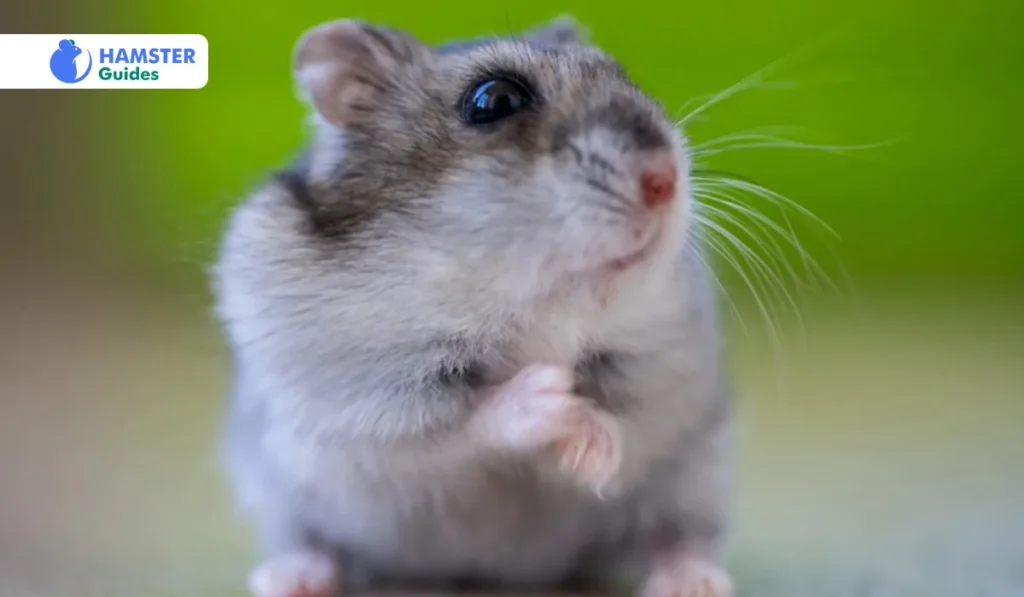
The Danger of Spiky Legs and Chitin
While the main body of a grasshopper is packed with excellent protein, their anatomy presents a unique physical hazard. Grasshoppers have a hard exoskeleton made of chitin, which is great for naturally filing down a hamster’s growing teeth.
However, their large, powerful back jumping legs are covered in tiny, sharp barbs. If a small dwarf hamster stuffs a whole grasshopper into its cheek, these barbed legs can severely scratch the delicate inner lining of the pouch, leading to painful bacterial abscesses. You should always manually snap off the large back legs before offering this insect to your pet.
Additional information: Add different protein snacks to avoid boredom and guarantee a well-rounded nutritional intake. Such as adding mealworms or crickets with grasshoppers.
Why Wild Grasshoppers are Fatal?
You must never catch wild grasshoppers from your yard to feed your pet. Wild grasshoppers act as intermediate hosts for deadly internal parasites, most notably horsehair worms and tapeworms.
If your hamster consumes an infected bug, the parasite will transfer directly into their intestinal tract. Furthermore, wild insects are frequently coated in highly toxic lawn fertilizers, weed killers, and agricultural pesticides that will cause immediate neurological failure in small rodents.
You must only purchase sterilized, commercially bred grasshoppers sold specifically for reptile or small animal consumption.
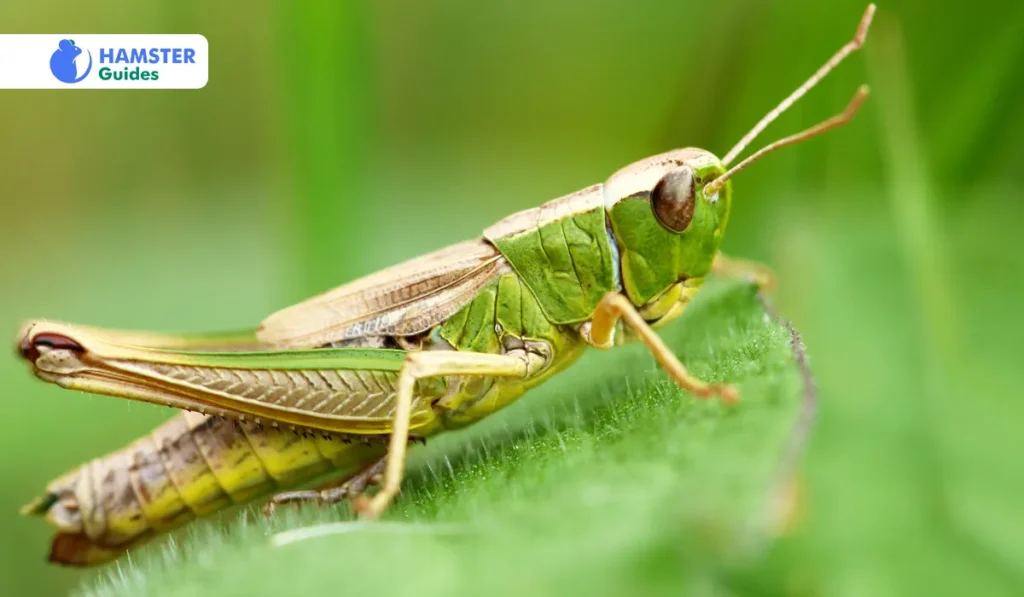
These are produced solely by bred for tiny animals and reptile consumption. It’s crucial for their safety and hygiene. It helps to preserve their nutritional content. It also guarantees that the grasshoppers are free from dangerous chemicals and pesticides.
Read More: What Kind Of Cheese Can Hamsters Eat?
Dried or Live? The Choice is Yours
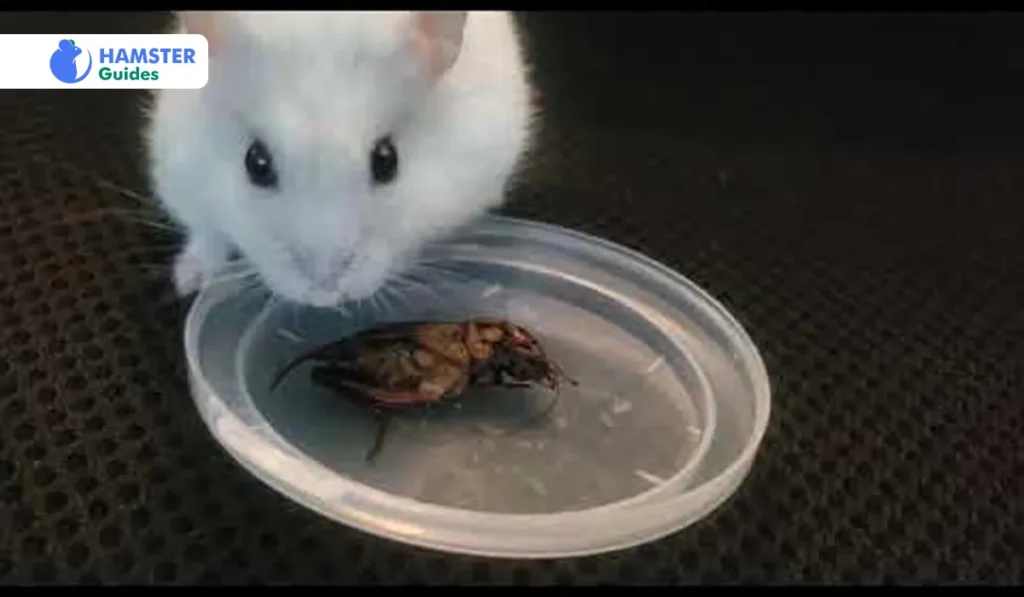
Live or dried grasshoppers are commonly available at pet stores. However, live grasshoppers may awaken your hamster’s instinct of hunting. Dried grasshoppers are less messy and easy to store. You can choose according to your preference. Ensuring that grasshoppers are right in size, fresh, and mold-free is crucial.
In my years of raising various hamster breeds, I have found that live grasshoppers are generally a bad idea for small enclosures. A live grasshopper can easily jump out of the cage when you open the lid, or worse, its erratic jumping can severely stress out a skittish dwarf hamster.
I strictly feed my hamsters freeze-dried grasshoppers. They offer the exact same nutritional protein profile but eliminate the stress of the hunt and are significantly easier to store long-term.
Additional information: Keep dried grasshoppers in an airtight container in a cold and dry spot to preserve freshness.
Feeding Practices of Grasshoppers in Hamsters
So that you’ve chosen the right grasshoppers, it’s time to add them to your hamster’s diet. Start with little amounts and see how your hamsters react. While some hamsters might like the excitement of chasing live grasshoppers, others would find the dried grasshoppers more convenient.
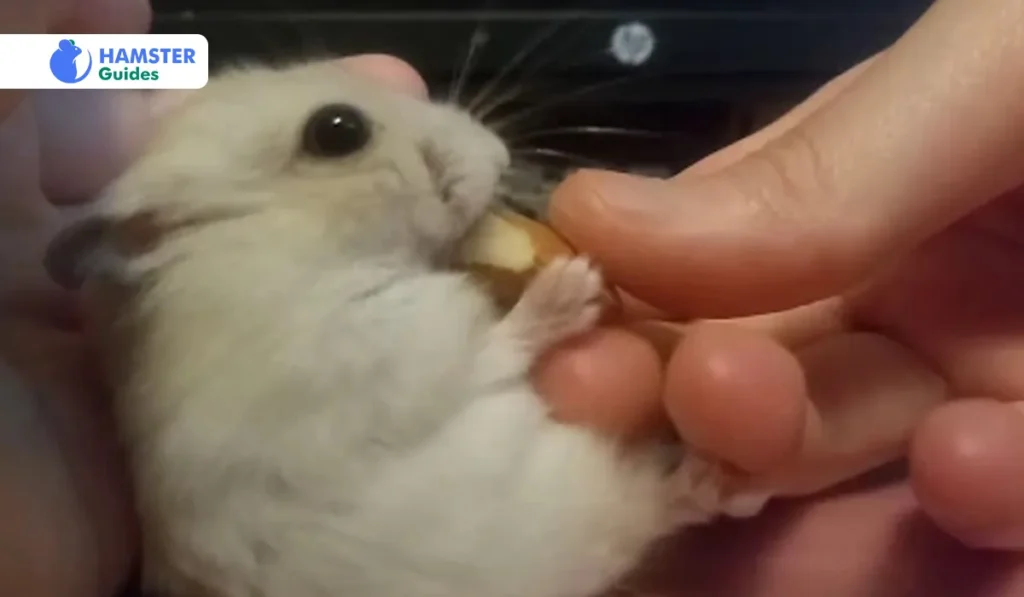
For many hamsters, freshly brought dried grasshoppers are too big. Reduce their size and cut them into small chunks to prevent choking concerns in small hamsters like dwarf. Add a little quantity and see how your hamster responds. You may provide grasshoppers as an occasional treat to your hamsters. So they can have it without any danger of digestive upset.
Read More: Can Hamsters Eat Crackers?
Alternatives to Grasshoppers
There are many substitute protein sources that you can use. At the same time, you’re not comfortable giving your hamster grasshopper. Crickets, mealworms, and superworms can be frequently used to enhance your hamster’s meal.
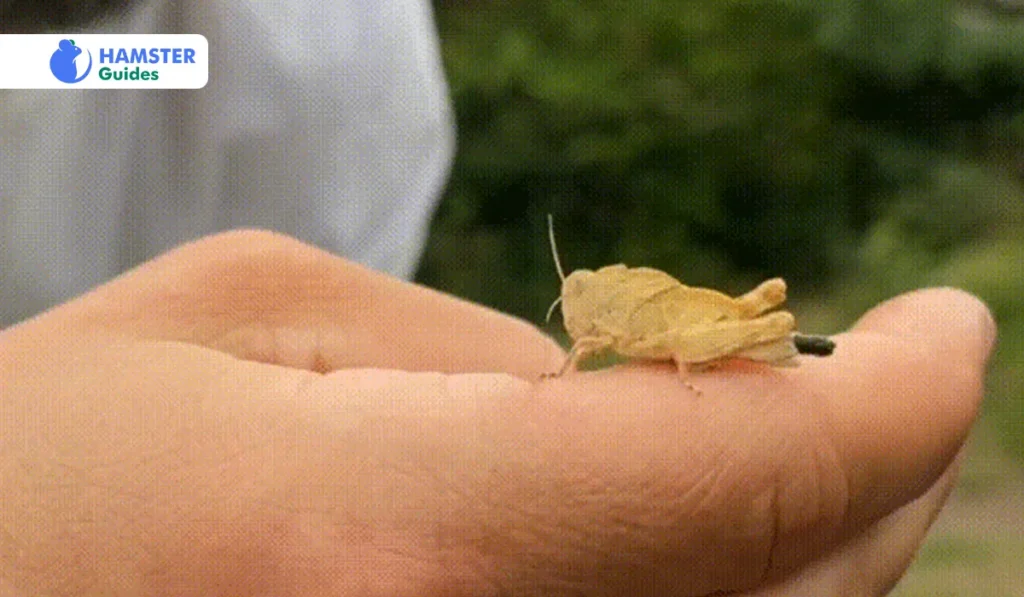
These species are generally accessible and thought to be safe for hamsters. But remember to stick to moderation. However, protein is an essential element of your hamster’s diet. It should only be given in small amounts and as a part of a balanced diet.
Grasshoppers vs. Other Insects
| Insect | Comparison | Characteristics and Considerations |
| Mealworms | Have equal protein content to grasshoppers. | Add variety to the food with a different texture and flavor |
| Crickets | Equivalent in nutritional values with grasshoppers. | Hamsters may have different preferences, it allows them a varied insect intake. |
| Dried vs. Live Grasshoppers | Dried grasshoppers are easy to take and have a longer shelf life. Live grasshoppers are given the opportunity for hamsters to express natural hunting behaviors. | Improve mental activities but are less convenient than dried options. |
The Final Words
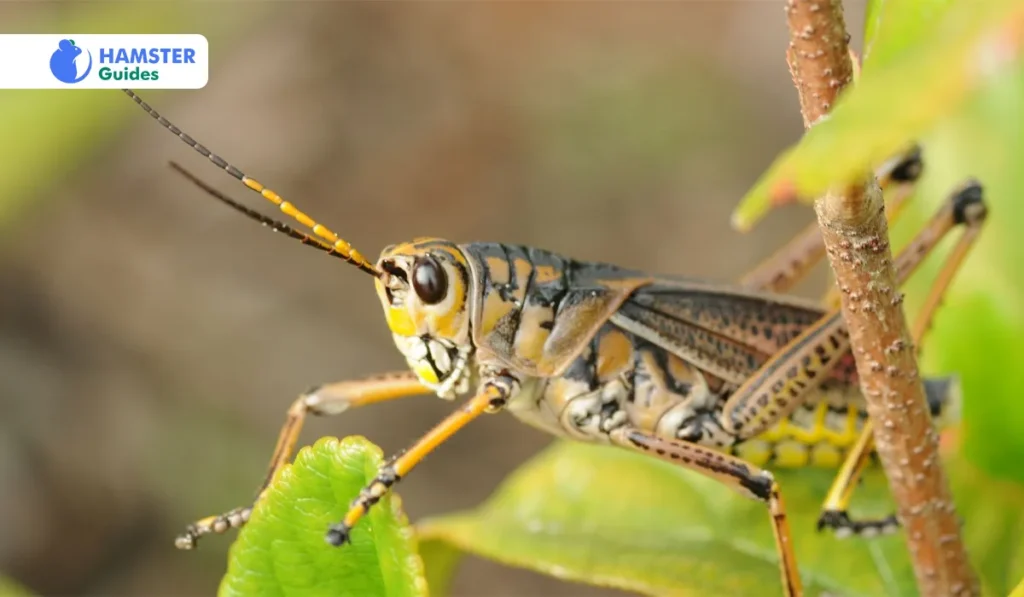
A varied diet that contains several nutrients, including protein, is necessary for hamsters. Grasshoppers should be obtained responsibly and in moderation because these are a great source of protein. Superworms, mealworms, and crickets are some substitutes that are commonly accessible and excellent sources of protein. If you have any questions or concerns regarding your pet’s food, speak with a veterinarian or veterinary nutritionist.


Leave a Reply