

Can Hamsters Eat Blueberries?
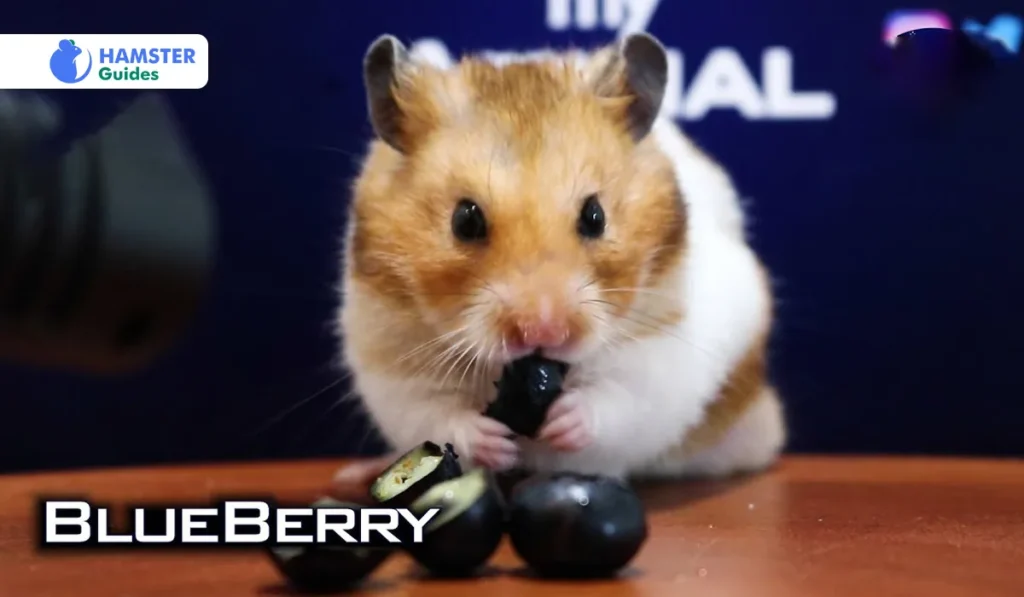
Yes, hamsters can eat blueberries, but only in strict moderation. These tiny fruits pack valuable vitamins and antioxidants, but their 10% sugar content makes them risky if overfed. One blueberry 2-3 times per week is the safe limit for most hamsters.
Too many blueberries cause diarrhea, obesity, and even wet tail disease, a potentially fatal digestive condition. Syrian hamsters can handle 1-2 berries per serving, while dwarf breeds should stick to just one.
Here’s everything you need to safely share this treat with your pet.
Why Blueberries Work as Hamster Treats
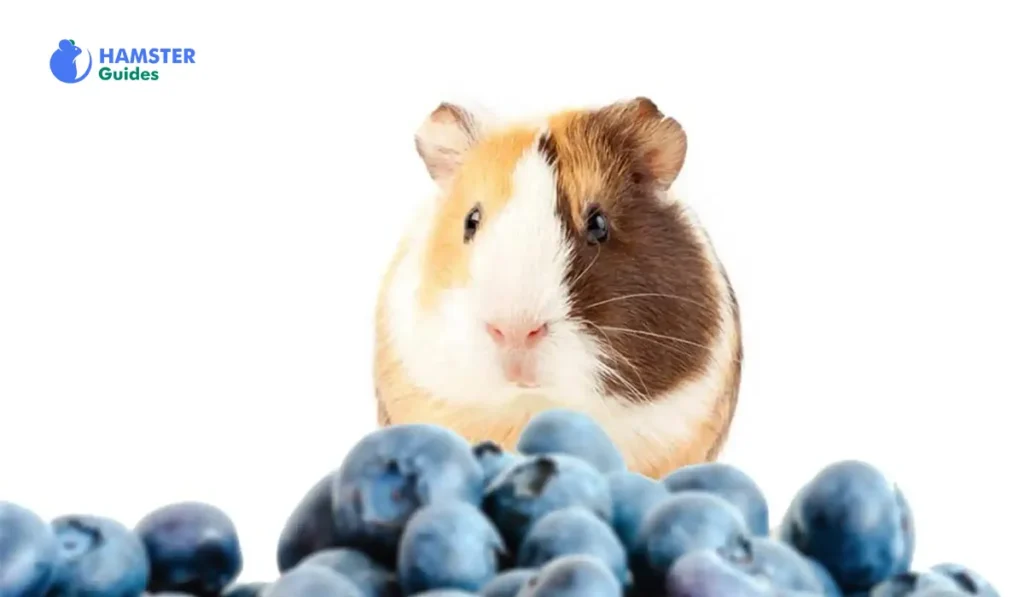
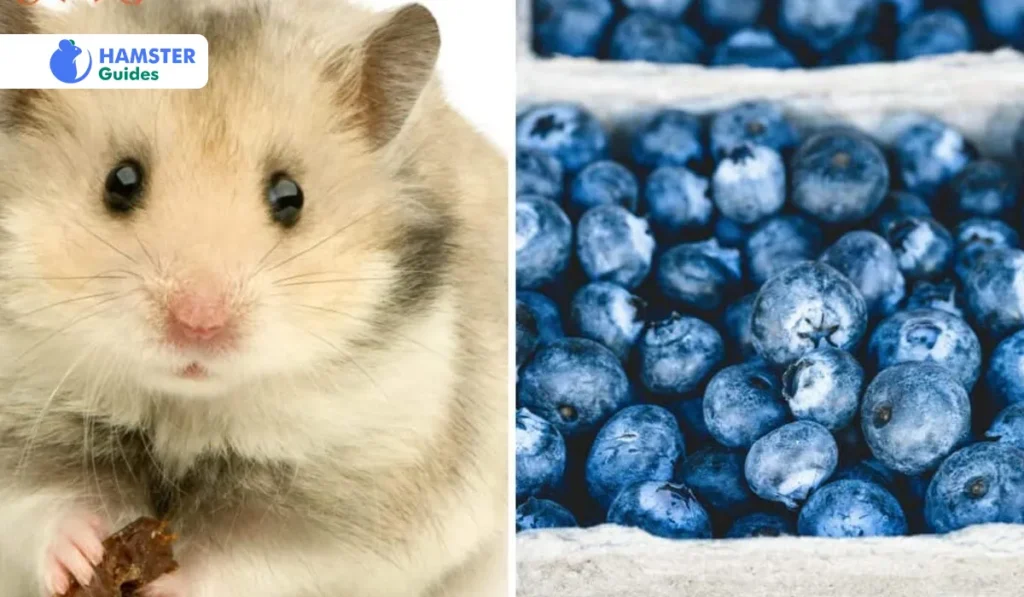
Blueberries deliver concentrated nutrition in a tiny package. A single berry contains vitamin C for immune support, vitamin K for healthy blood clotting, and powerful antioxidants that protect cells.
The fiber content (2.4g per 100g) supports digestive health when given properly. At just 0.6 calories per berry, they won’t wreck your hamster’s daily calorie budget either.
But here’s the catch, that same small berry is 10% pure sugar. Your hamster’s body isn’t designed to handle regular sugar loads like humans tolerate.
Nutritional Content of Blueberries (per 100g)
| Nutrient | Amount |
| Carbohydrates | 14.5g |
| Calories | 57 |
| Phosphorus | 12mg |
| Calcium | 6mg |
| Fiber | 2.4g |
| Protein | 0.7g |
| Fat | 0.3g |
| Potassium | 77mg |
| Sugars | 9.7g |
| Vitamin C | 9.7mg |
| Vitamin K | 19.3mcg |
| Antioxidants | High |
| Magnesium | 6mg |
Related Resource: Can Hamsters Eat Pomegranate?
Expert Advice: Blueberries should only be given as a delight. It’s not more than once or twice a week. It should be in small pieces and a limited amount.
What Happens When Hamsters Eat Too Many Blueberries
Sugar overload hits hamsters hard. Their sensitive digestive systems can’t process large amounts of fructose, leading to immediate bloating and diarrhea.
The real danger is wet tail disease. This condition causes severe, chronic diarrhea that dehydrates hamsters within 48 hours. It’s often fatal without emergency vet care.
Long-term overfeeding creates different problems. Hamsters fill up on sugary treats instead of their balanced commercial food, causing nutrient deficiencies. Obesity follows, putting strain on tiny joints and organs.
Even worse, picky hamsters learn to refuse healthy food when they know sweet treats are coming.
Related Resource: Can Hamsters Eat Arugula?
The Wet Tail Warning Every Owner Needs
Wet tail disease kills more pet hamsters than most people realize. This bacterial infection thrives when digestive systems get disrupted by sudden diet changes or high-sugar foods.
Early signs include:
- Matted fur around the tail area
- Lethargy
- Watery droppings
Once symptoms appear, you have 24-48 hours to get veterinary treatment.
Prevention is simple: keep treat portions small, introduce new foods gradually, and never give sugary snacks more than 2-3 times weekly. If your hamster develops diarrhea lasting more than a day, skip the blueberries entirely and call your vet.

Helpful advice: Opt for organic and fresh blueberries to stay away from the risk of chemicals and pesticides.
How Much is Too Much? The Calorie Math
Hamsters need about 26 calories daily, regardless of size. (Smaller breeds have faster metabolisms that balance out the difference.)
Treats should never exceed 10% of daily intake, that’s 2.6 calories. Each blueberry contains roughly 0.6 calories, which means four berries would max out their entire treat allowance.
But practical feeding is different from mathematical limits. Most vets recommend 1-2 berries maximum per serving, given only 2-3 times per week.
This spacing prevents digestive upset while keeping your hamster excited about the treat.
Related Resource: Can hamsters eat oats?
Do Different Hamster Breeds Need Different Amounts?
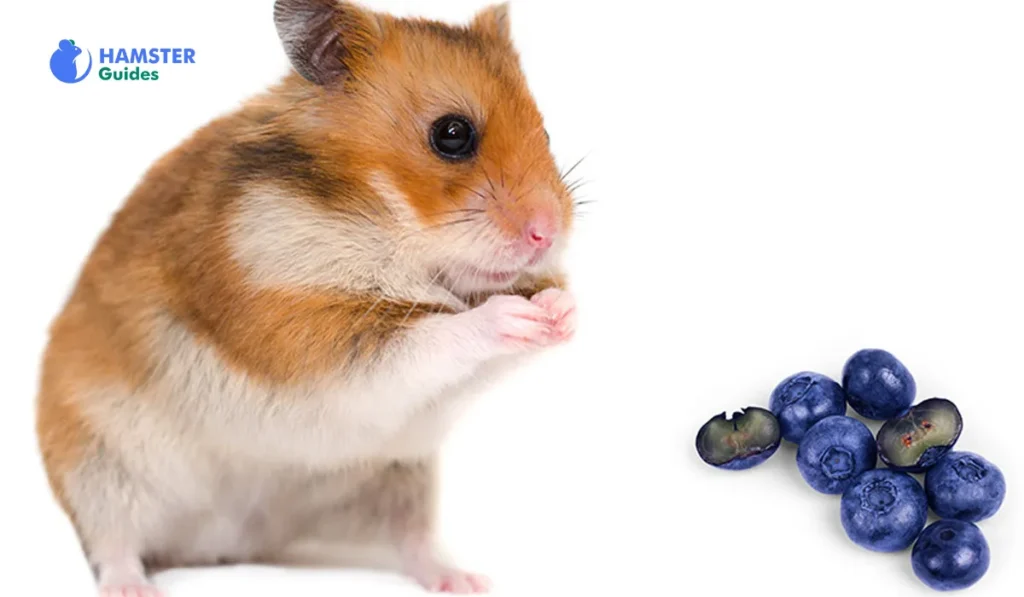
Syrian hamsters can handle slightly larger portions due to their bigger body size. Give them 1-2 whole blueberries per serving, 2-3 times weekly.
Dwarf breeds (Roborovski, Campbell’s, Winter White, Chinese) should stick to one berry per serving. Their smaller digestive tracts process food faster but struggle more with sugar spikes.

The following table gives you complete information about blueberries’ nutritional value and suggested serving amounts for different kinds of hamsters.
| Hamster Species | Recommended Blueberry Portion |
| Syrian Hamsters | 1-2 blueberries, 2-3 times a week |
| Chinese Hamsters | 1 blueberry, 2-3 times a week |
| Roborovski Hamsters | 1 blueberry, 1-2 times a week |
| Winter White Dwarf Hamsters | 1 blueberry, 2-3 times a week |
| Campbell’s Dwarf Hamsters | 1 blueberry, 2-3 times a week |
Watch your individual hamster’s response. Some handle fruit better than others regardless of breed.
Pro Advice: always observe your hamster and make sure your hamster doesn’t choke while having a meal.
Related Resource: Can Hamsters Eat Coconut?
Your Step-by-Step First-Time Feeding Guide
- Start with a quarter-sized piece, not a whole berry. This test dose shows you how your hamster’s digestive system reacts before committing to full portions.
- Wash the blueberry thoroughly under running water. Pesticides concentrate in berry skins, so organic varieties are worth the extra cost for small pets.
- Cut the berry in half lengthwise. This prevents choking and lets your hamster access the juicy interior easily.
- Offer it by hand or in their food dish, then remove any uneaten portion after 2 hours. Moldy fruit makes hamsters sick fast.
- Watch their droppings for 24 hours. Normal, firm pellets mean you’re clear to continue. Soft or watery droppings mean blueberries aren’t right for your pet.

Related Resource: Can Hamsters Have Celery Leaves?
Can Hamsters Eat Dried Blueberries?
Skip the dried versions entirely. Dehydrating concentrates sugar content to 3x the fresh berry levels, way too much for hamster metabolisms.
The sticky texture creates additional problems. Dried fruit wedges in cheek pouches and sticks between teeth, causing painful impactions.
Some hamsters try to hoard dried berries in their bedding, where they absorb moisture and grow mold. This creates serious health hazards in enclosed cage environments.
Stick with fresh, organic blueberries only.

What About Blueberry Leaves and Seeds?
The tiny seeds inside blueberries are completely safe. They’re so small removal is impossible anyway, and they pass through digestive systems without issue.
Blueberry leaves actually contain higher antioxidant levels than the fruit. Your hamster can nibble them safely, though most won’t find them tasty enough to bother.
If you grow your own blueberry bushes, offer a small leaf occasionally. Just make sure no pesticides or fertilizers have touched the plant.
Better Alternatives When Blueberries Don’t Work
Some hamsters simply can’t tolerate blueberries well. Dwarf breeds especially may develop digestive issues even with proper portions.
These alternatives provide similar nutritional benefits with lower sugar content:
Fresh vegetables (better daily options):
- Carrot sticks (high in vitamin A, crunchy texture)
- Green beans (fiber-rich, low sugar)
- Pea pods (protein boost, fun to shell)
Other safe fruits (occasional treats like blueberries):
- Thin apple slices (remove seeds—they contain cyanide)
- Unsweetened cranberries (less sugar than blueberries)
- Small strawberry pieces (similar benefits, higher vitamin C)
Vegetables can be offered daily in small amounts. Other fruits follow the same 2-3 times weekly rule as blueberries.
Signs Your Hamster Shouldn’t Eat Blueberries
Stop giving blueberries immediately if you notice:
- Diarrhea or soft droppings within 24 hours of feeding. This means their system can’t handle the fruit sugars properly.
- Decreased appetite for regular food. Picky eaters will hold out for sweet treats, creating nutritional imbalances.
- Weight gain despite normal activity levels. Track your hamster’s weight monthly—sudden increases signal too many treats.
- Wet or matted fur around the tail area. This is the first sign of wet tail disease requiring emergency vet care.
Some hamsters just aren’t built for fruit treats. Focus on their commercial pellet diet and safe vegetables instead.
Pro Advice: Always consult your veterinarian before introducing new food to your hamster’s diet. They can advise you on the best options for your hamster’s health needs.
The Bottom Line on Hamsters and Blueberries
Blueberries make excellent occasional treats when you follow species-appropriate portions. Syrian hamsters can enjoy 1-2 berries per serving, dwarf breeds stick to one.
The 2-3 times weekly limit isn’t negotiable. More frequent feeding causes wet tail disease, obesity, and picky eating habits that undermine overall nutrition.
Always buy organic when possible, wash thoroughly, and cut berries in half before serving. Watch your hamster’s droppings for 24 hours after each feeding to catch problems early.
When in doubt, ask your vet before introducing blueberries or any new food to your hamster’s diet. They can assess your specific pet’s health needs and tolerance levels.


Leave a Reply