
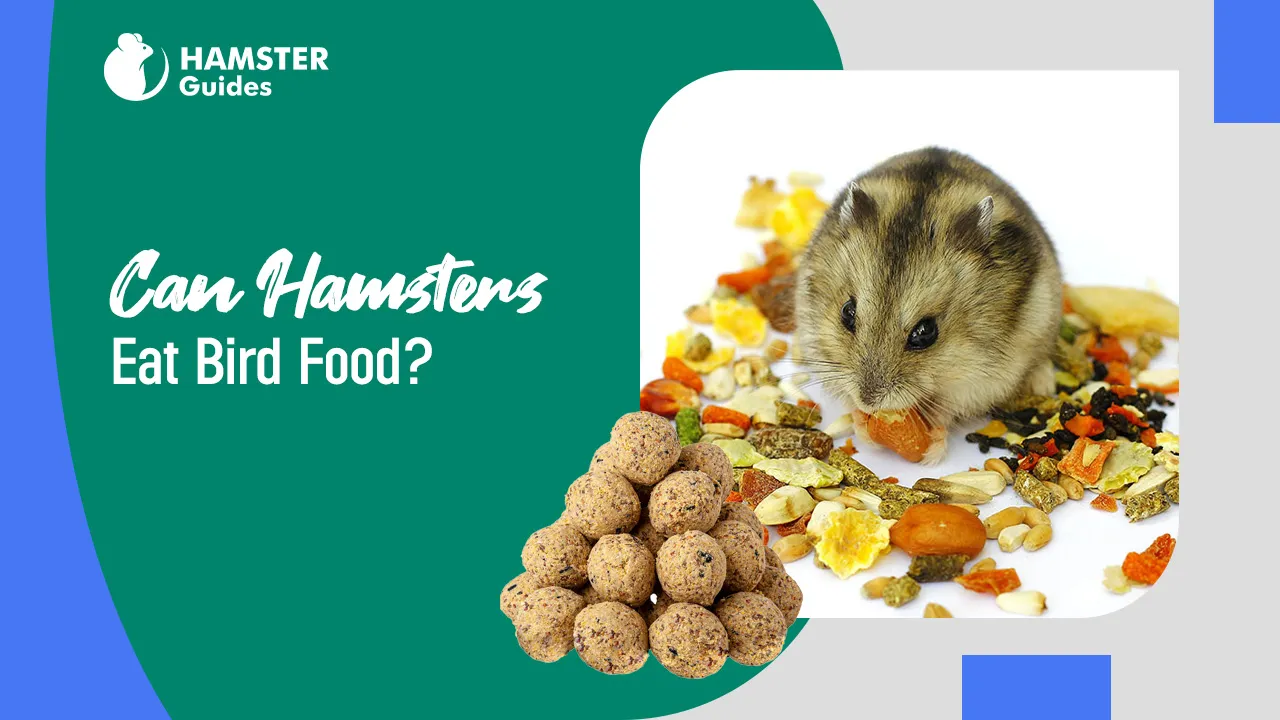
Can Hamsters Eat Bird Food?
Many pet owners ask whether hamsters can eat bird food when they run out of regular pellets. While small amounts of certain seeds are technically safe, you must understand the severe nutritional differences between avian and rodent diets.
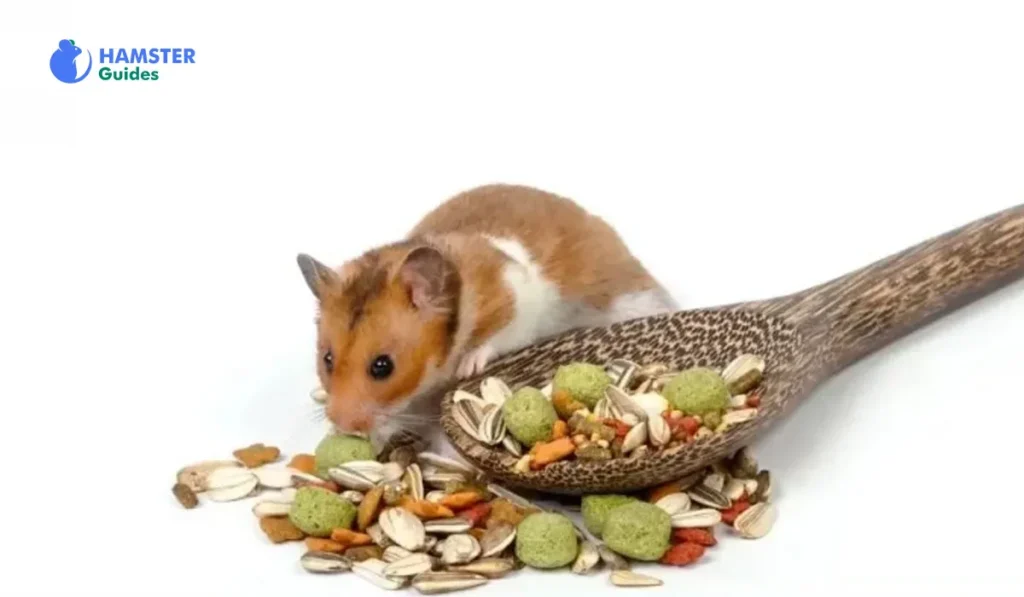
Hamsters can eat certain bird seeds like millet, pumpkin seeds, and plain sunflower seeds in small amounts as occasional treats, but bird food should never replace commercial hamster pellets.
Most commercial bird seed mixes contain high fat levels and potential contaminants that can ruin your tiny companion’s health. This guide breaks down exactly which specific seeds are safe, which ones to strictly avoid, and how to properly offer them without causing dangerous weight gain or choking hazards.
If you’re caring for both hamsters and birds, the temptation to share food between your pets is understandable. However, these species have vastly different nutritional requirements that demand careful consideration before crossing their dietary boundaries.
Understanding Hamster Dietary Requirements
Both Syrian and dwarf hamsters are omnivores with diverse nutritional needs. In their natural habitat, wild hamsters forage for seeds, grains, plants, insects, and occasionally small amounts of fruit. This varied wild diet differs significantly from what domesticated hamsters should consume for optimal health.
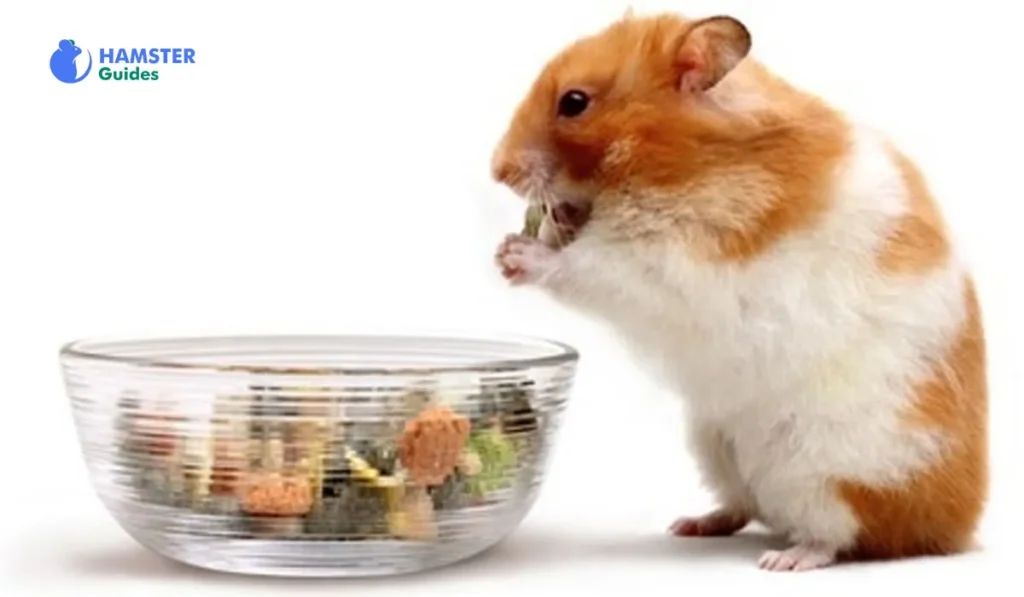
Commercial hamster pellets form the foundation of a proper hamster diet. These specially formulated pellets are scientifically designed to meet the precise nutritional requirements of domestic hamsters, providing balanced ratios of protein, fiber, vitamins, and minerals.
According to veterinary nutrition guidelines, pellets should comprise 80-90% of your hamster’s daily food intake.
Species-Specific Dietary Needs:
Dwarf Hamsters (Campbell’s, Winter White, Roborovski): These smaller breeds have higher metabolisms and are particularly prone to diabetes. They can consume small amounts of plain, unsalted bird seeds, especially millet sprays as enrichment treats.
However, avoid seed mixes containing dried fruits, nuts, or artificial ingredients, as these significantly increase diabetes risk. Limit treats to 1-2 small seeds, 2-3 times weekly maximum.
Syrian Hamsters: As the largest common hamster breed, Syrians require more substantial nutrition. While they can occasionally enjoy bird seeds, their primary diet must consist of high-quality commercial hamster pellets specifically formulated for their size.
Syrian hamsters can safely eat small portions of sunflower seeds, pumpkin seeds, and millet, but these should account for no more than 5-10% of weekly caloric intake. Their larger cheek pouches also present increased choking risks with certain seed sizes.
For personalized dietary recommendations tailored to your hamster’s breed, age, and health status, always consult with an exotic animal veterinarian who can assess your pet’s individual needs.
Related Resource: Can Hamsters Eat Macadamia Nuts?
Additional Tip: For more specific dietary information, always consult your vet. Always choose a well-balanced diet for the health and happiness of your hamsters.
Nutritional Content of Common Bird Seeds
Understanding the nutritional profile of bird seeds helps you make informed decisions about which varieties might benefit your hamster and which to avoid entirely.
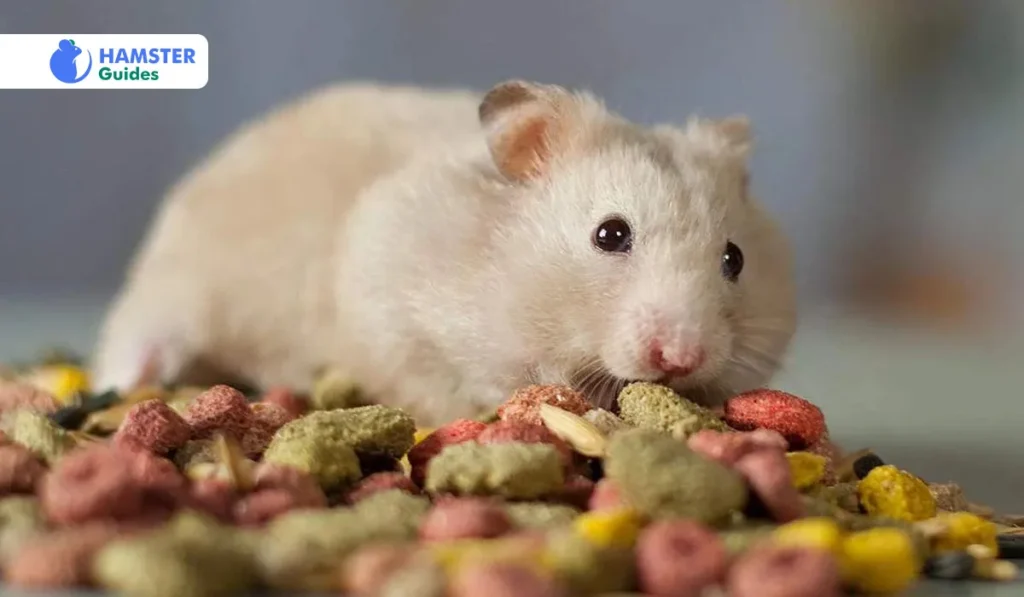
The table below provides information on the nutritional value of common bird seeds. As well as practical recommendations for properly adding bird food into a hamster’s diet. They are useful resources for pet owners looking for extensive information on seed nutrition and the best way to give bird food to hamsters.
| Seed Type | Fat Content | Protein Content | Vitamin C | Mineral Content |
| Pumpkin Seeds | Low | Moderate | Minimal | Protein, Iron, Magnesium, Phosphorus |
| Safflower Seeds | Moderate | Moderate | Minimal | Omega-6 Fatty Acids, Fiber |
| Sunflower Seeds | Moderate | Moderate | Minimal | Vitamin E, Magnesium, Phosphorus |
| Millet Seeds | Low | Low | Minimal | Iron, Magnesium, Phosphorus |
Important Note: While vitamin C appears beneficial, dwarf hamsters are particularly sensitive to excessive vitamin C intake, which can contribute to diabetes development. This is why moderation remains critical even with nutritionally sound seeds.
When introducing any new food to your hamster’s diet, start with tiny portions (a single seed) and monitor for 24-48 hours for adverse reactions including diarrhea, lethargy, or changes in eating patterns.
The Risks of Bird Food for Hamsters
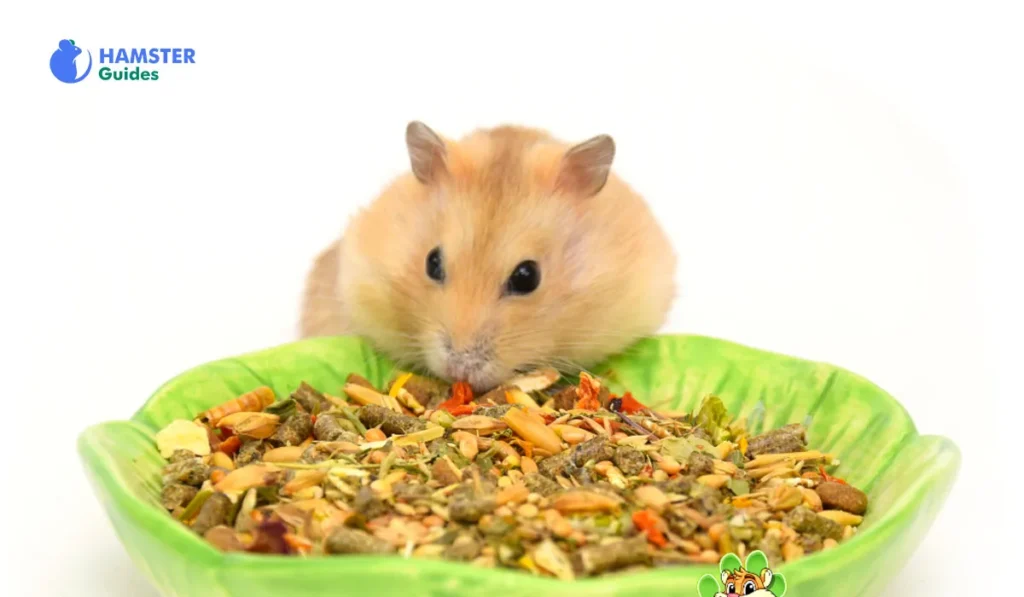
Despite some nutritional benefits, bird food presents several significant health concerns that every hamster owner must understand before offering these treats.
Wild Bird Seed Contamination: Commercial wild bird seed designed for outdoor feeders is entirely different from indoor pet bird food. Outdoor mixes are rarely cleaned to human or indoor pet standards. They frequently carry dust, fungal spores, and microscopic mold that can cause severe respiratory infections in small rodents. You should only ever consider high quality indoor pet bird seeds, like parakeet or cockatiel blends, if you plan to share them with your furry friend.
High Fat Content and Obesity: Most commercial bird seed mixes contain elevated fat levels designed for birds’ high-energy metabolisms. Hamsters, particularly sedentary domestic breeds, cannot process these fat levels efficiently. Regular consumption leads to rapid weight gain, fatty liver disease, and reduced lifespan. A hamster eating bird seed daily could gain unhealthy weight within 2-3 weeks.
Choking Hazards: Small, hard seeds pose serious choking risks, especially for Syrian hamsters with their large cheek pouches. Hamsters instinctively stuff food into these pouches for later consumption, and oversized or irregularly shaped seeds can become lodged, requiring emergency veterinary intervention. Certain bird seed shapes, particularly long, narrow seeds like safflower present the highest choking danger.
Dental Trauma: While hamsters need to wear down their continuously growing teeth, excessively hard bird seeds can cause cracked teeth, broken incisors, and mouth injuries. Unlike birds with specialized beaks, hamster teeth are not designed to crack the hardest seed varieties found in parrot and macaw food mixes.
Nutritional Imbalances: Bird food lacks essential nutrients hamsters require, including adequate dietary fiber, specific B vitamins, and proper calcium-to-phosphorus ratios. Hamsters relying too heavily on bird seeds develop deficiencies in iron, calcium, vitamin B12, and dietary fiber, leading to weakened bones, anemia, and digestive complications.
Specifically, avian seed mixes possess a highly inverted calcium to phosphorus ratio. A diet heavy in these seeds depletes calcium from your rodent’s skeletal system to balance the excess phosphorus. Over time, this leads to metabolic bone disease, fragile limbs, and severe dental degradation.
Diabetes Risk: Particularly concerning for dwarf hamster breeds, many bird food mixes contain dried fruits, honey-coated seeds, or high-sugar additives. These ingredients dramatically spike blood glucose levels, contributing to diabetes development, a condition dwarf hamsters are genetically predisposed to develop.
Read more: Can Hamsters Eat Roasted Peanuts?
Safe Bird Seeds for Hamsters vs. Toxic Varieties
Not all bird seeds are created equal when it comes to hamster safety. This comprehensive breakdown helps you distinguish between beneficial treats and dangerous foods.
SAFE Seeds (In Moderation):
- Millet (all varieties): The safest bird seed option, especially millet sprays which provide natural foraging enrichment.
- Pumpkin seeds (unsalted, plain): Excellent for dental health and protein content.
- Sunflower seeds (plain, unflavored): High in vitamin E but limit due to fat content.
- Flax seeds: Small amounts provide omega-3 fatty acids.
- Sesame seeds: Tiny portions offer calcium and healthy fats.
- Wheat kernels: Whole grain option with good fiber content.
- Oat groats: Plain oats provide soluble fiber.
TOXIC Seeds (Never Feed):
- Apple seeds (contain cyanide compounds)
- Cherry seeds/pits (cyanogenic glycosides)
- Apricot pits (prussic acid toxicity)
- Peach pits (cyanide precursors)
- Pear seeds (amygdalin content)
- Grape seeds (potential kidney issues)
- Citrus seeds (toxic oils and compounds)
- Avocado (persin toxicity, fatal to hamsters)
UNSAFE Commercial Mixes:
- Parrot food containing nuts (choking hazard, too high in fat)
- Tropical bird mixes with dried fruits (diabetes risk)
- Seed blends with artificial colors or flavors
- Mixes containing chocolate, yogurt drops, or candy pieces
- Any seed mix listing “added sugars” in ingredients
Related Resource: Can Hamsters Eat Dried Mangoes?
Advantages and Disadvantages of Bird Food for Hamsters
| Advantages | Disadvantages |
| Nutritional Variety: Certain bird seeds provide supplemental vitamins (E, B-complex) and minerals (magnesium, phosphorus) that complement pellet nutrition. | High Fat Content: Excessive consumption causes obesity, fatty liver disease, and significantly shortened lifespan in domestic hamsters. |
| Dental Health: Appropriately sized seeds like pumpkin seeds help naturally wear down continuously growing incisors when chewed properly. | Choking Hazard: Small, hard seeds can lodge in cheek pouches or airways, particularly dangerous for Syrian hamsters with larger pouches. |
| Foraging Stimulation: Scattering bird seeds in bedding stimulates instinctive foraging behaviors, providing mental stimulation and physical activity. | Dental Trauma: Excessively hard seeds from parrot mixes cause cracked teeth, broken incisors, and painful mouth injuries requiring veterinary care. |
| Bonding Exercise: Hand-feeding individual seeds strengthens the human-hamster bond and aids in taming skittish hamsters. | Toxicity Risk: Over-reliance on bird seeds creates dangerous deficits in essential nutrients including calcium, iron, fiber, and B vitamins. |
| Texture Variety: Different seed textures prevent dietary boredom and encourage healthy eating habits. | Diabetes Development: Sugar-containing mixes and dried fruits trigger diabetes in predisposed breeds, especially dwarf varieties. |
Safe Feeding Guidelines for Bird Seeds
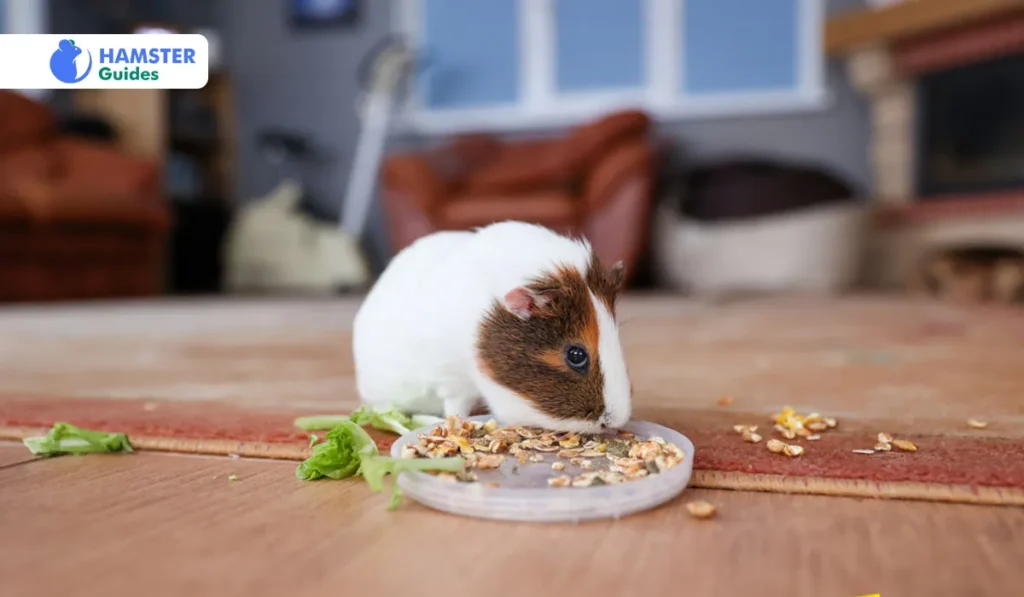
When you decide to offer bird seeds as an occasional treat, following veterinary-recommended guidelines ensures your hamster’s safety and health.
Proper Portions:
- Dwarf hamsters: 1-2 small seeds (millet or similar size), 2-3 times weekly maximum.
- Syrian hamsters: 2-3 medium seeds (sunflower or pumpkin size), 2-3 times weekly maximum.
- Total treat allowance: Seeds should comprise no more than 5-10% of weekly caloric intake.
I have raised nine different hamsters over the years, and I learned about portion control firsthand. When I introduced millet sprays to my very first Syrian, I left the entire stalk in the enclosure overnight.
He hoarded the whole thing in his cheeks, stashed it in his burrow, and completely ignored his essential pellets for three days. Now, I strictly cut millet sprays into tiny one inch clusters to ensure they remain a rare foraging reward rather than a meal replacement.
Introduction Process:
- Start minimal: Offer a single seed while monitoring closely.
- Observe 24-48 hours: Watch for diarrhea, lethargy, or eating pattern changes.
- Gradual increase: If no adverse reactions occur, slowly increase to recommended portions over 2-3 weeks.
- Monitor weight weekly: Discontinue if weight increases noticeably.
Safety Precautions:
- Always read bird seed ingredient labels thoroughly before purchasing.
- Choose plain, unsalted, unflavored varieties without additives.
- Inspect seeds for mold, discoloration, or unusual odors before feeding.
- Store seeds in airtight containers in cool, dry locations to prevent contamination.
- Remove uneaten seeds from the cage after 24 hours to prevent spoilage.
- Ensure fresh water is always available when offering dry seeds.
- Supervise initial feeding sessions to confirm proper chewing technique.
Warning Signs to Stop Immediately:
- Diarrhea or abnormally soft droppings.
- Decreased activity or lethargy.
- Loss of appetite for regular pellets.
- Visible weight gain or bloating.
- Difficulty moving or breathing.
- Unusual mouth movements or drooling.
If you observe any concerning symptoms, remove all bird seeds immediately and consult your exotic animal veterinarian.
Read more: Can Hamsters Eat Garlic?
Healthier Alternatives to Bird Food
Bird food is good for hamsters but only as an occasional delight. It can not be given as their main meal to them. In order to minimize the risk of choking problems, ensure they chew these seeds properly.
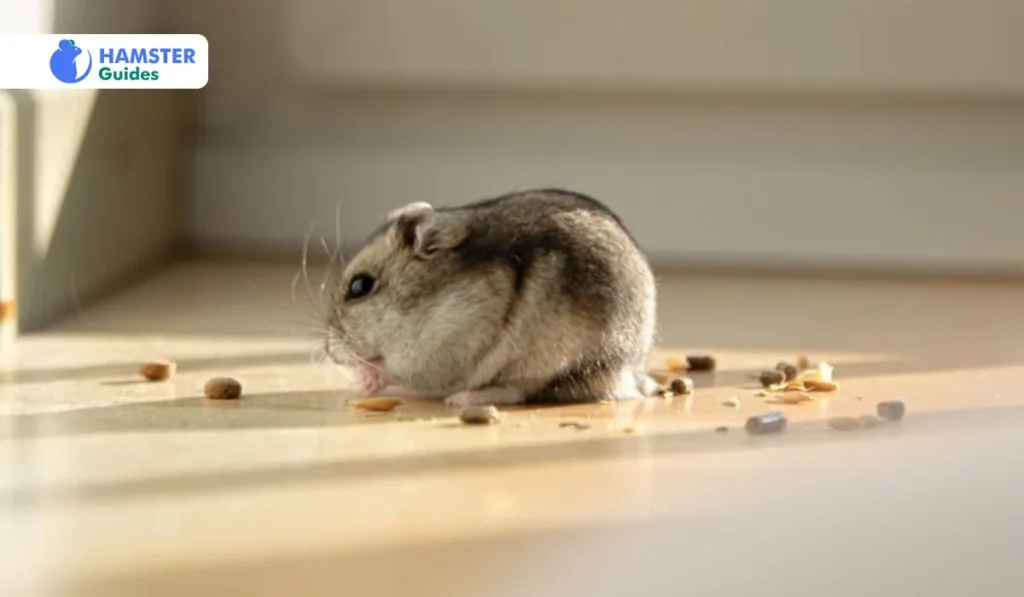
Additionally, to check harmful ingredients for hamsters, always go through bird food labels like apple seeds. Like any new food, gradually add seeds to your hamster’s diet. Then, for any possible reaction, keep an eye on them. Finally, get expert guidance from a vet for answers to your questions.
Bonus Tip: Always Balance your hamster’s diet with bird food treats. It adds a variety to their meal while giving them some vital minerals and vitamins.
Alternatives to Bird Food
While bird seeds can serve as occasional treats, superior alternatives provide better nutritional value and safety profiles for hamsters.
Commercial Hamster Pellets: High-quality hamster-specific pellets remain the gold standard for daily nutrition. Look for brands listing whole grains, vegetable proteins, and essential vitamins without artificial colors, excessive sugars, or filler ingredients. Premium brands include Oxbow Essentials, Mazuri, and Supreme Science Selective.
The Final Words
Bird food can serve as an occasional enrichment treat for hamsters when you carefully select safe seed varieties, practice strict portion control, and maintain commercial hamster pellets as the dietary foundation. The key to success lies in understanding your specific hamster breed’s nutritional requirements, recognizing which seeds offer benefits versus risks, and prioritizing your pet’s long-term health over convenience.
Remember that commercial hamster pellets, supplemented with appropriate fresh vegetables and hamster-specific treats, provide complete nutrition superior to any bird seed mix. When in doubt about dietary choices, consulting an exotic animal veterinarian ensures you’re making the healthiest decisions for your individual hamster’s needs.


Leave a Reply