
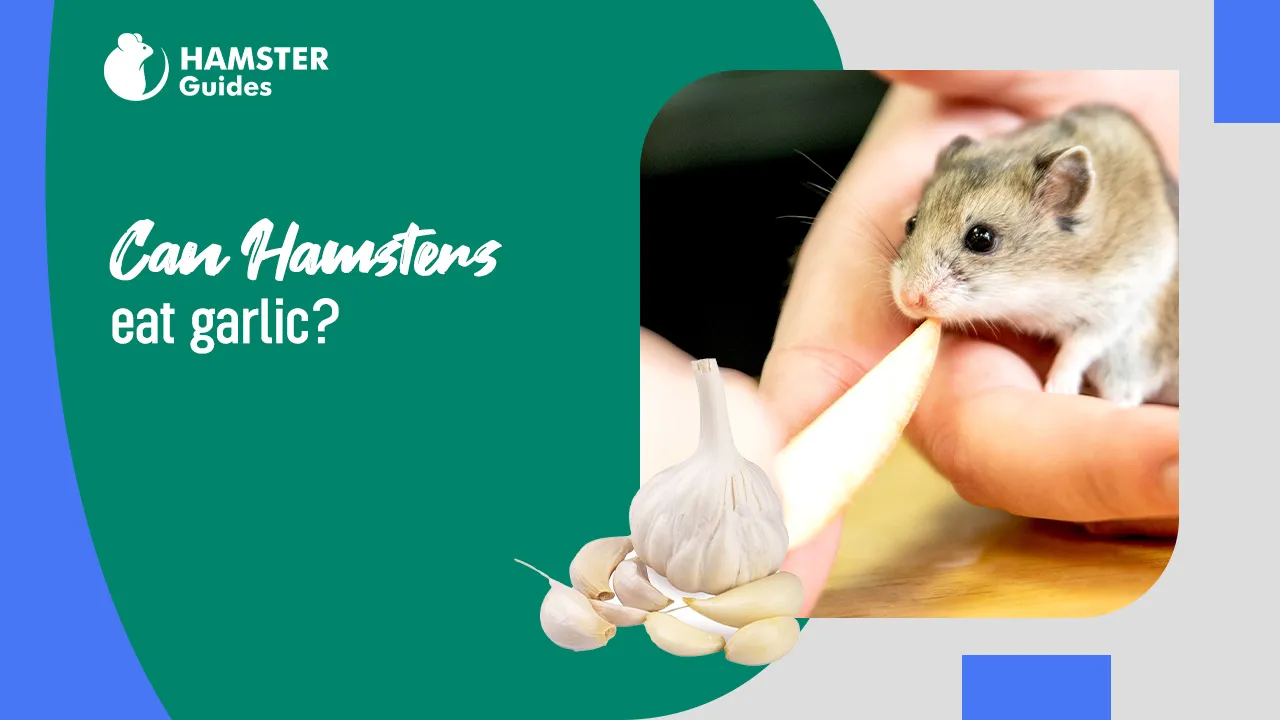
Can Hamsters Eat Garlic?
No. Hamsters cannot eat garlic. Garlic is toxic to hamsters in all forms including raw, cooked, dried, powdered, and garlic-flavored foods. Even a small amount can trigger a chain reaction in the blood that leads to anemia, organ stress, and in severe cases, death. There is no safe dose of garlic for a hamster.
Why Garlic Is Toxic to Hamsters?: The Science
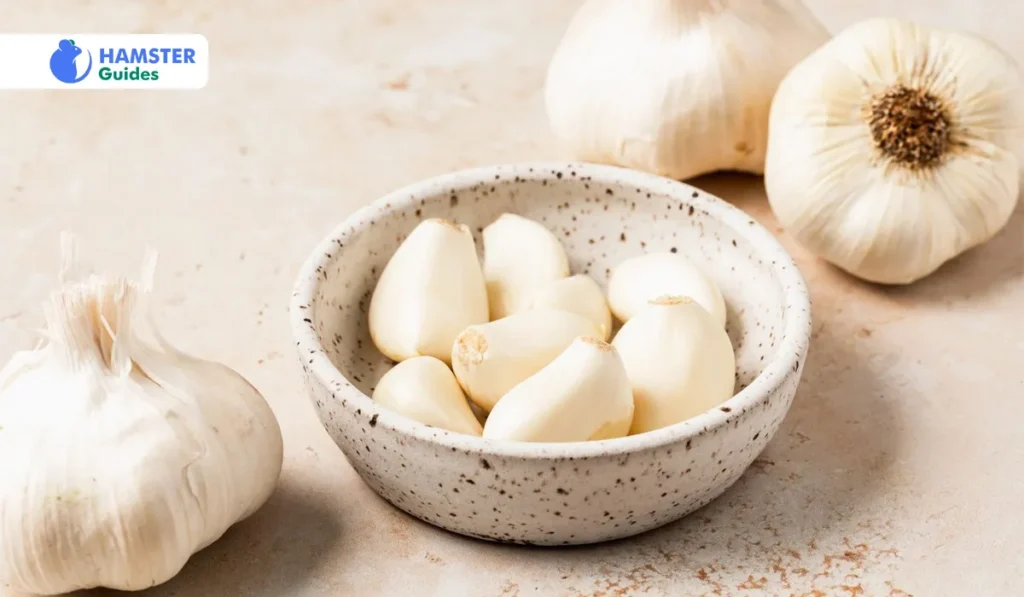
Garlic belongs to the Allium family, which includes onions, chives, leeks, and shallots. Every plant in this family contains organosulfur compounds, the most active of which is allicin, released when the garlic clove is crushed or chewed.
When allicin enters a hamster’s bloodstream, it causes oxidative damage to red blood cells. This leads to the formation of Heinz bodies, which are clumps of denatured, non-functional hemoglobin that attach to the inner surface of red blood cells (ScienceDirect, Heinz Body Anemia Overview).
What Heinz bodies do:
- Red blood cells carrying Heinz bodies become fragile and structurally unstable
- The spleen identifies and destroys these damaged cells faster than the body can replace them
- The result is Heinz body hemolytic anemia, a condition where the blood loses its ability to carry oxygen effectively
A 2025 study published in the journal Animals (Beleć, Barć, and Lasek, University of Agriculture in Krakow) confirmed that all forms of garlic, including fresh, dried, and granulated, caused measurable damage to red blood cells, with processed forms being significantly more harmful than fresh garlic due to higher compound concentration.
“Garlic toxicity in small mammals operates through the same oxidative mechanism as in dogs and cats. The compounds denature hemoglobin and create Heinz bodies in red blood cells. For a hamster weighing 100 to 150 grams, even a fragment of a garlic clove represents a proportionally large toxic load relative to their body size. There is no therapeutic benefit that justifies this risk.”
Dr. Norma Young, RCVS Veterinary Surgeon, Royal Veterinary College
Related Resource: Can Hamsters Eat Honeydew?
Nutritional Profile of Garlic (Per 100g)
Garlic does contain nutrients. This is why some owners question whether small amounts might be beneficial. The table below shows what garlic contains, but the presence of nutrients does not make it safe. The toxic compounds in garlic override any nutritional benefit at any dose a hamster might consume.
| Nutrient | Amount per 100g |
|---|---|
| Energy | 149 kcal |
| Carbohydrates | 33.06 g |
| Protein | 6.36 g |
| Fat | 0.5 g |
| Dietary Fiber | 2.1 g |
| Vitamin C | 31.2 mg |
| Vitamin B6 | 1.235 mg |
| Calcium | 181 mg |
| Potassium | 401 mg |
| Manganese | 1.672 mg |
| Selenium | 14.2 mcg |
Every nutrient listed above is available from safe food sources. Not one of them requires garlic.
Additional information: When uncertainty and any symptoms of illness, consider a qualified veterinarian for proper treatment. Wellness examinations are crucial for specific food advice. Also, follow dietary guidelines.
What Happens When a Hamster Eats Garlic?
The severity of the reaction depends on the amount consumed relative to the hamster’s body weight. Because hamsters weigh between 25 and 180 grams depending on species, even a tiny fragment carries significant toxic load.
| Timeframe | What Happens in the Body |
|---|---|
| 0 to 2 hours | Allicin absorbed into the bloodstream. Oxidative process begins in red blood cells |
| 2 to 6 hours | Heinz body formation accelerates. Early signs may include lethargy and reduced appetite |
| 6 to 24 hours | Hemolytic anemia develops. Oxygen delivery to organs declines |
| 24 to 48 hours | Organ stress from oxygen deprivation. Kidney and liver strain from filtering damaged cells |
| 48 hours and beyond | Risk of organ failure. Without veterinary intervention, prognosis is poor |
Processed garlic is more dangerous than raw garlic. Garlic powder, garlic flakes, garlic salt, and garlic bread all contain concentrated forms of the toxic compounds. A trace amount of garlic powder is proportionally more toxic than an equivalent weight of fresh garlic.
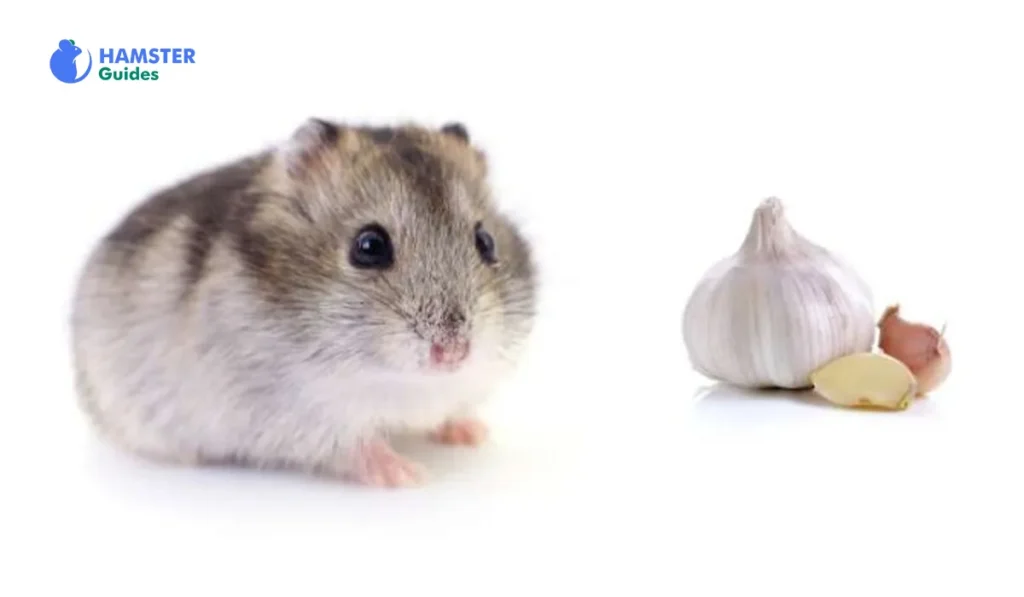
Symptoms of Garlic Poisoning in Hamsters
If your hamster has consumed garlic in any form, watch for these signs:
Early signs (within 2 to 6 hours):
- Sudden lethargy or refusal to move
- Loss of appetite
- Labored or rapid breathing
- Hunched posture
Progressing signs (6 to 24 hours):
- Pale or bluish gums (sign of anemia and poor oxygenation)
- Weakness in the limbs
- Vomiting or diarrhea
- Strong garlic odor from the body
Critical signs (24 hours and beyond):
- Collapse
- Unresponsiveness
- Visible distress and rapid breathing
⚠️ If your hamster has eaten garlic, do not wait for symptoms to appear before contacting a vet. Heinz body anemia develops internally before visible signs emerge. Same-day veterinary contact is essential.
Related Resource: Can Hamsters Eat Dried Banana?
Does the Form of Garlic Matter?
Yes. All forms are toxic, but the risk level varies.
| Form of Garlic | Toxicity Level | Notes |
|---|---|---|
| Raw garlic clove | High | Direct allicin exposure on chewing |
| Cooked garlic | High | Cooking does not destroy organosulfur compounds |
| Garlic powder | Very High | Compounds are concentrated during dehydration |
| Garlic flakes (dried) | Very High | Same as powder, high concentration |
| Garlic bread | Very High | Contains butter, salt, and garlic in combination |
| Garlic-flavored treats | High | Even trace amounts carry risk for a small hamster |
| Garlic oil | Very High | Allicin extracted and concentrated in oil form |
The 2025 Animals journal study confirmed dried and granulated garlic caused more red blood cell damage than fresh garlic, making any processed or powdered form especially dangerous.
More information: Be careful to take sufficient measures for disease prevention for your hamster. Monitor their dietary habits and follow pet safety guidelines.
Does Garlic Affect All Hamster Species the Same Way?
Yes. The Heinz body hemolytic mechanism operates across all mammalian red blood cells. No hamster species has a metabolic advantage that makes garlic safer.
| Species | Safe to Eat Garlic |
|---|---|
| Syrian (Golden) Hamster | No |
| Campbell’s Dwarf Hamster | No |
| Winter White Dwarf Hamster | No |
| Roborovski Hamster | No |
| Chinese Hamster | No |
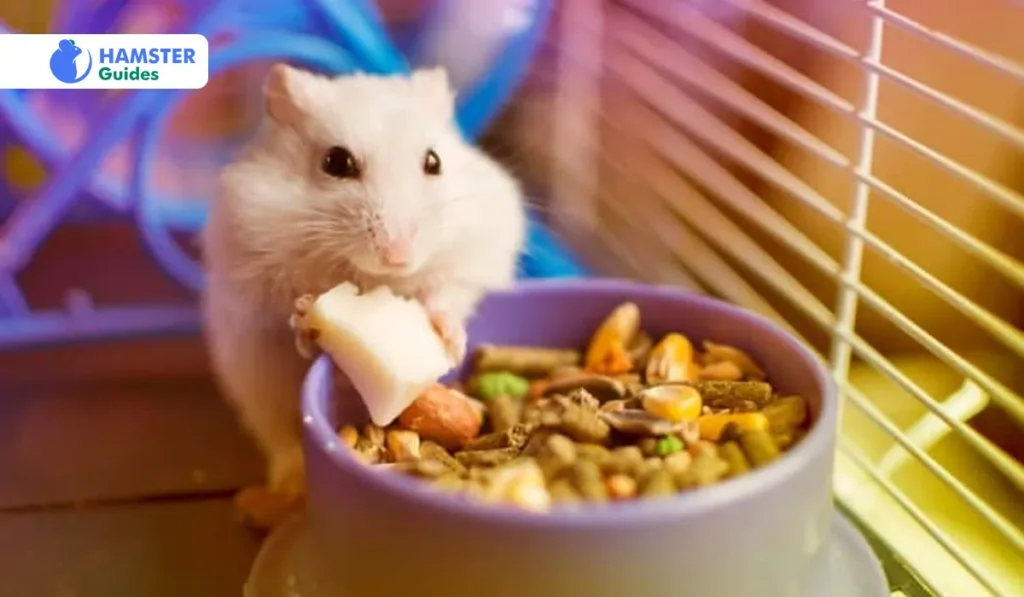
Dwarf hamsters face proportionally higher risk because their smaller body weight means the same fragment of garlic represents a larger toxic dose per kilogram of body weight.
What About the Claimed Antibacterial Benefits?
Some sources suggest that garlic’s antibacterial and antifungal properties might benefit hamsters. This claim has no scientific support in hamster-specific research, and the risk calculation is clear:
- The toxic compounds in garlic are inseparable from any potential antimicrobial effect
- No controlled study has established a safe therapeutic dose of garlic for hamsters
- Safer, proven alternatives exist for every condition garlic is claimed to address
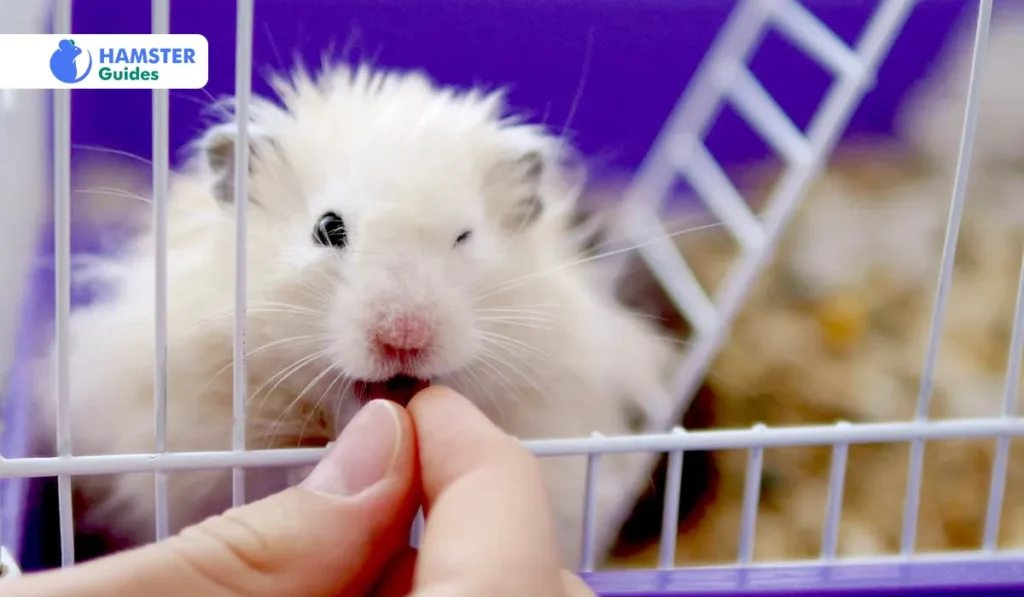
The potential for benefit does not outweigh a documented mechanism of toxicity. Do not give garlic to a hamster for any reason, including medicinal.
Safe Alternatives That Provide the Same Nutrients
Every nutrient garlic contains is available from foods that carry no toxic risk to hamsters.
| Nutrient You Want | Safe Alternative Source |
|---|---|
| Vitamin C | Broccoli, bell pepper, kale (small amounts) |
| B vitamins | High-quality hamster pellets, oats |
| Manganese | Oats, sunflower seeds |
| Potassium | Cucumber, carrot, banana (tiny piece) |
| Calcium | Broccoli, leafy greens |
| Selenium | Sunflower seeds, plain cooked chicken (trace) |
| Protein | Boiled egg white, dried mealworms |
| Fiber | Timothy hay, oats, leafy vegetables |
| Antibacterial support | Consult your exotic-pet vet for safe options |
A varied diet built around high-quality pellets, fresh vegetables 2 to 3 times per week, and occasional protein treats provides everything a hamster needs without any toxic risk.
Foods in the Same Family to Always Avoid
Because the toxic mechanism is shared across the entire Allium family, the following should never be fed to hamsters either:
- Onions (raw, cooked, or dried)
- Chives
- Leeks
- Shallots
- Spring onions (scallions)
- Any food seasoned with these ingredients
What to Do If Your Hamster Eats Garlic
- Stay calm and act fast. Do not wait to see if symptoms develop
- Remove any remaining garlic from the cage immediately
- Do not induce vomiting. Hamsters cannot vomit and attempting this causes additional harm
- Contact an exotic-pet vet the same day, even if the hamster appears fine
- Tell the vet: what form of garlic was eaten, roughly how much, and how long ago
- Monitor closely for the symptoms listed above while arranging veterinary contact
Veterinary treatment for garlic poisoning may include supportive fluids, antioxidant therapy, and in severe cases of hemolytic anemia, a blood transfusion.
Summary
Garlic is toxic to hamsters. There is no safe amount, no safe form, and no health benefit that justifies the risk.
The active compounds in garlic destroy red blood cells through a process called Heinz body hemolytic anemia. This mechanism is documented in peer-reviewed veterinary research and operates in all hamster species regardless of age, size, or health status. Processed and dried forms are more dangerous than raw garlic due to higher compound concentration.
Keep garlic, garlic powder, garlic bread, and all Allium family foods completely out of your hamster’s environment. Every nutrient garlic contains is available from safe, species-appropriate alternatives.


Leave a Reply