
Can Hamsters Eat Hazelnuts?
Many pet owners looking to share a crunchy snack frequently ask can hamsters eat hazelnuts safely? The direct answer is yes, hamsters can eat raw, unsalted hazelnuts as a very rare treat.
While they are packed with healthy Vitamin E, hazelnuts consist of nearly 60% dietary fat. Feeding them too often will rapidly cause obesity and severe liver damage in small rodents.
This guide breaks down the exact micro-portions required for dwarf breeds, why you must never feed them roasted nuts, and the crucial physical preparation required to prevent fatal cheek pouch impactions.
Including Hazelnuts in the Diet of Your Hamster
Although hazelnuts have several nutritional advantages, limited amounts are essential. Overfeeding hazelnuts may result in dietary imbalances, obesity, and digestive problems. Consequently, it’s critical to adhere to portion control recommendations.
Read more: Can Hamsters Eat Honeydew?
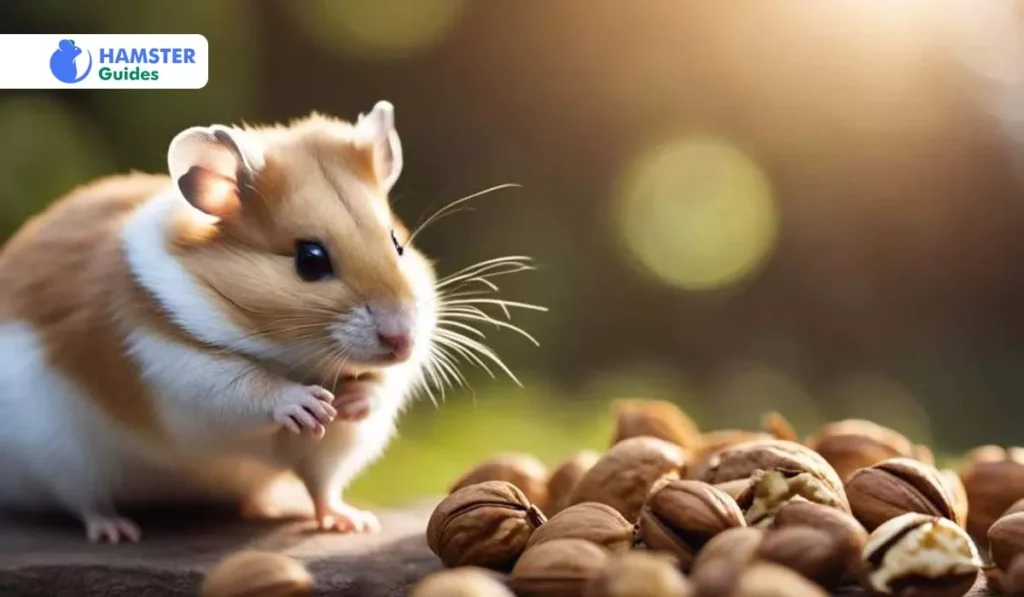
One or two hazelnuts a week is enough for Syrian hamsters. Due to their very small stature, dwarf hamsters only need half to one hazelnut every week. The smallest species of hamsters, the Robovorski, need to get even fewer.
The Adaptability of Hazelnut Varieties to Various Hamster Breeds
There are several hazelnut types, each with distinctive qualities of its own. The most popular kind of hazelnut to find in grocery shops is Turkish hazelnuts, often called filberts. Because they are very small and simple to open, these hazelnuts are a great option for hamsters.
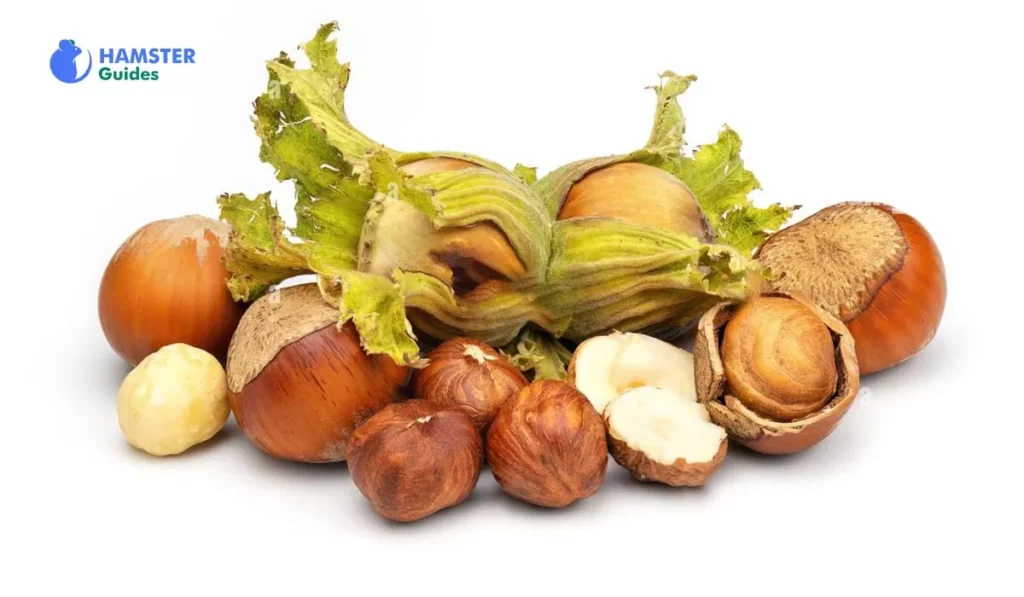
It’s crucial to remember that certain hamster breeds, like Roborovski hamsters, may find it challenging to crack open hazelnuts because of their small stature. In these situations, it’s best to provide shelled hazelnuts or other more manageable varieties of nuts.
Read More: Can Hamsters Eat Dried Banana?
Feeding Schedules for Various Breeds of Hamsters
| Hamster Breed | Frequency of Hazelnut Feeding |
| Syrian Hamsters | Once a week |
| Robowski Hamsters | Once a week |
| Campbell’s Dwarf | Once every two weeks |
| Winter Whites Dwarf | Once every two weeks |
| Chinese Dwarf | Once every two weeks |
Extra Advice: Serve hazelnuts as a snack rather than a main course. Your hamster shouldn’t eat hazelnuts as a main source of nutrition. They are best served as a treat.
The Dwarf Choking & Impaction Hazard
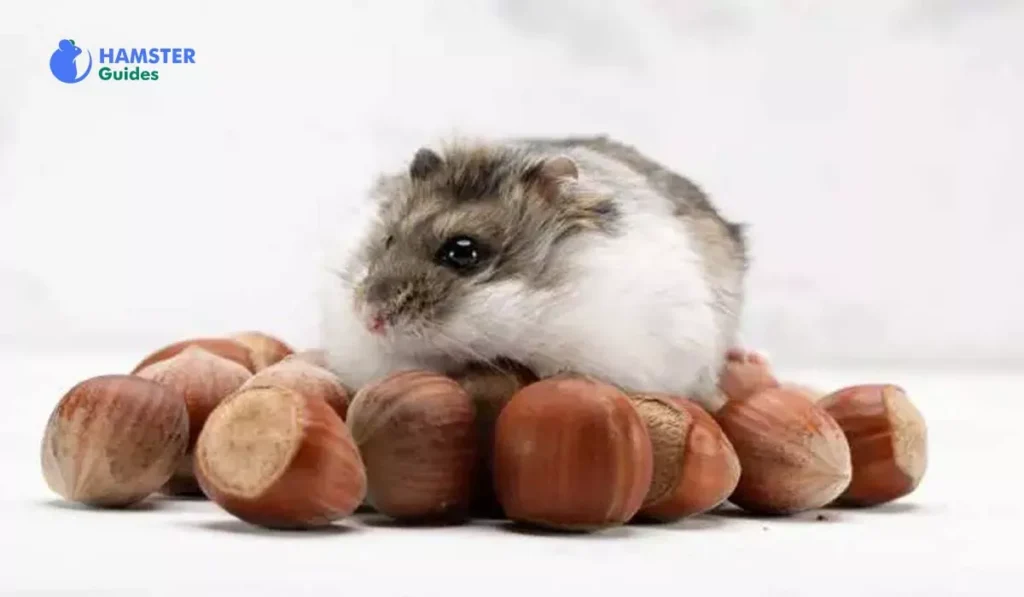
While a large Syrian hamster can easily manipulate a whole nut, you must never feed a whole hazelnut to a Dwarf or Roborovski hamster.
Because a shelled hazelnut is perfectly round, smooth, and incredibly hard, a small hamster will attempt to stuff it into their dry cheek pouch.
The perfectly round shape makes it incredibly difficult for them to push back out, causing a permanent, fatal impaction. For all dwarf breeds, you must place the raw nut inside a plastic bag and crush it into tiny fragments with a heavy object before serving.
Hazelnuts’ Nutritional Composition In Relation To Hamsters
For hamsters, hazelnuts are a rich supply of nutrients that provide a number of health advantages. They are a great source of vitamin E, a potent antioxidant that boosts immunity and helps shield cells from harm.

Iron, calcium, and potassium are among the vital elements found in hazelnuts; these minerals are also important for nerve communication, muscular contraction, and bone health. They also include a decent amount of fiber, which supports intestinal health and facilitates digestion.
| Nutrient | Amount |
| Protein | 3.9g |
| Fat | 14.4g |
| Fiber | 4.7g |
| Vitamin E | 4.7mg |
| Iron | 1.7mg |
| Potassium | 176mg |
| Folate | 22mcg |
| Zinc | 0.6mg |
| Calcium | 26mg |
Possible Hazards and Adverse Reactions from Excessive Consumption
Although hazelnuts are rich in nutrients, consuming too much of them might have negative consequences. If consumed too much, its high-fat content may lead to weight gain and obesity, which are serious health issues for hamsters.
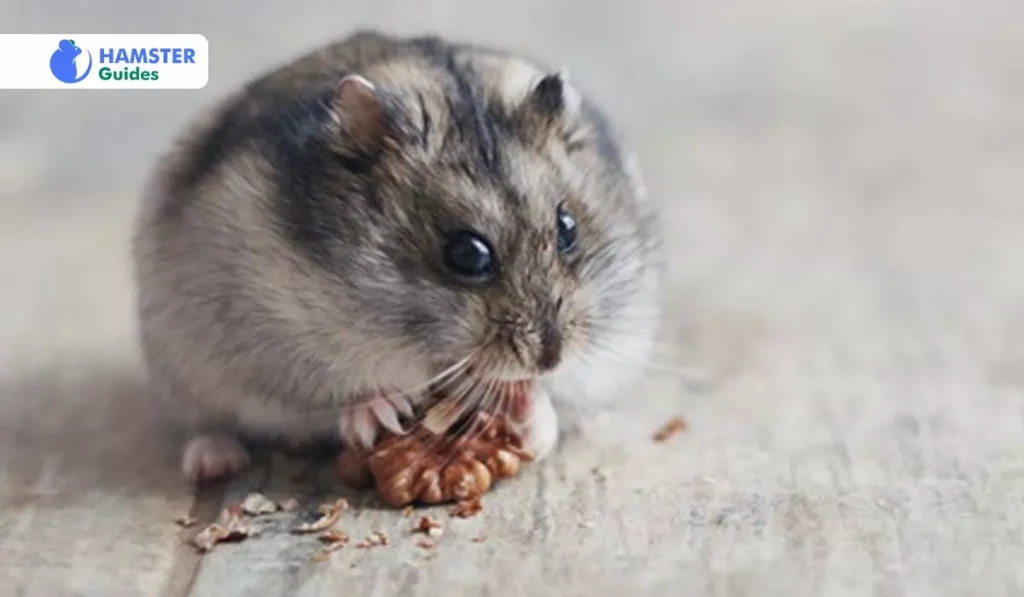
Furthermore, overfeeding hazelnuts might result in digestive problems, including constipation or diarrhea. Large hazelnut bits may sometimes pose a choking danger, particularly to smaller hamster species.
Although hazelnuts are a great source of nutrients, eating too much of them might have negative consequences.
Digestive Problems: Due to their high-fat content, hazelnuts may induce constipation, diarrhea, and other digestive issues.
Read more: Can Hamsters Eat Coconut?
Obesity: Overfeeding may result in weight gain and obesity, and hazelnuts are heavy in fat. Consuming excessive amounts of hazelnuts may result in obesity and weight gain, which raises the likelihood of diabetes along with various health issues.
Nutrient Imbalances: The excessive feeding of hazelnuts may cause nutrient deficits by upsetting the diet’s delicate balance of other important nutrients.
Diabetes: Hazelnuts’ significant amount of fat may be a contributing factor in the initial development of the disease.
Hazards for Choking: Whole hazelnuts may choke hamsters, particularly the smaller breeds. When giving hazelnuts to hamsters, be sure to keep an attentive eye on them and split them up into smaller bits.
Aflatoxin Exposure: If you choose to feed your pet an unshelled hazelnut to help wear down their teeth, you must inspect the shell meticulously. Improperly stored nutshells can harbor microscopic fungal molds that produce aflatoxins. These natural toxins are highly poisonous to small rodents and will cause rapid, fatal liver failure.
Additional Advice: Combine hazelnuts with other seeds and nuts. By doing this, you can guarantee that your pet is receiving an array of nutrients.
How to Prepare Hazelnuts for Hamsters?
For best results, give hamsters raw hazelnuts alone. Because of the potential health risks associated with the additional salt, hamsters should not consume roasted or salted hazelnuts.
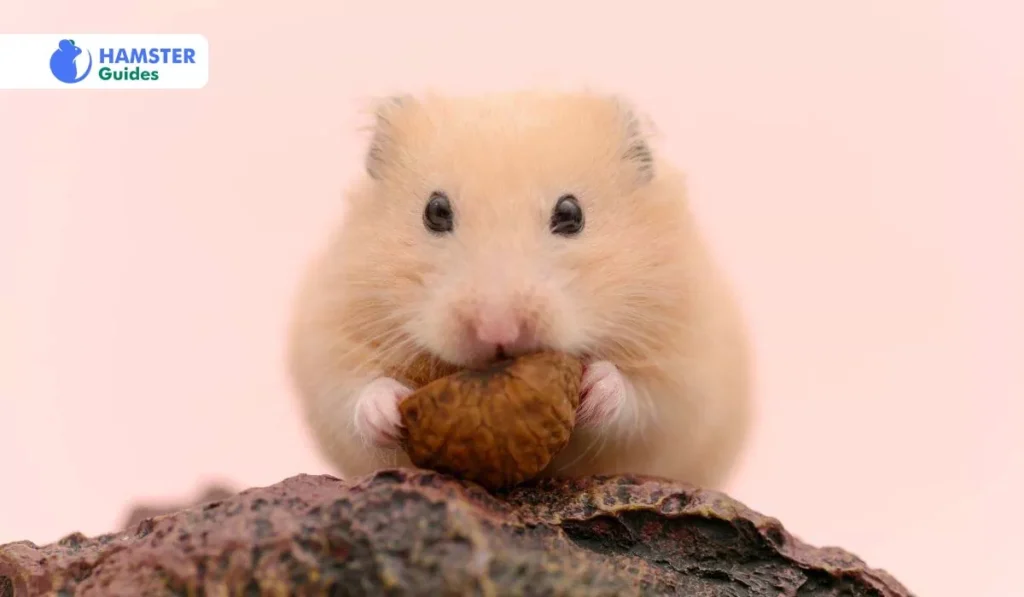
Furthermore, to avoid disease, hazelnuts should be free of any defects or mold.
Can Hamsters Have Hazelnuts In Shells? How to Provide Hazelnut to Your Hamster?
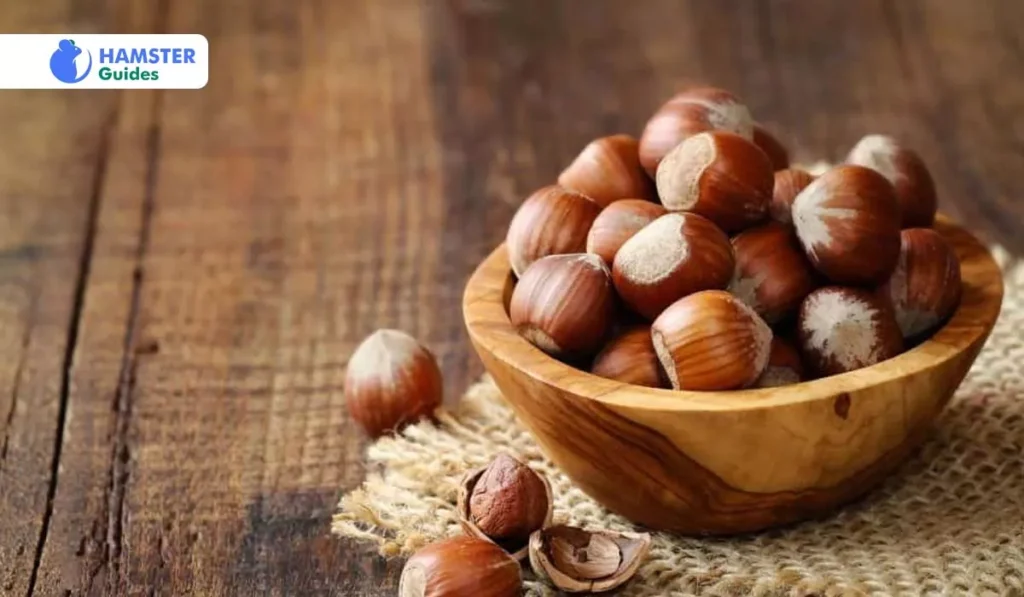
Use these suggestions to make sure your hamster securely consumes hazelnuts:
Raw vs. Roasted: Whenever feasible, use raw, unsalted hazelnuts. The high levels of oil and salt in roasted hazelnuts may be dangerous to hamsters.
Shell vs. Un-Shelled: Hamsters like the challenge of cracking open hazelnuts that still have their shells on because it gives them something to do. However, you should make sure that the shells are not too tough, since hamsters’ teeth and jaws might get damaged if they chew on anything too tough.
| Feature | Raw Hazelnuts | Roasted Hazelnuts | Shelled Hazelnuts | Unshelled Hazelnuts |
| Health Benefits | High in nutrients, including protein, healthy fats, vitamins, and minerals | Lower nutritional value due to heat and oil loss | Easier to digest | Provide mental stimulation and enrichment |
| Risks | None | High in oil and salt, which can be harmful to hamsters’ health | May pose a choking hazard for smaller hamsters | May injure hamsters’ teeth or jaws if too hard |
| Suitability | Ideal for hamsters | Not recommended for hamsters | Suitable for hamsters of all sizes | Suitable for larger hamsters with strong teeth |
| Recommendation | Opt for raw, unsalted hazelnuts whenever possible | Avoid feeding roasted hazelnuts to hamsters | Offer shelled hazelnuts to smaller hamsters or those prone to choking | Provide unshelled hazelnuts to larger hamsters with strong teeth for mental stimulation |
Variety: To create a diversified and well-balanced diet, balance hazelnuts with other healthful delights like fruits, vegetables, and seeds.
Monitoring: After adding hazelnuts, keep an attentive eye on your hamster to notice any symptoms of discomfort or disease.
Additional advice: Hazelnuts may last up to two weeks in the refrigerator when kept in an airtight container.
The Diet of Hamsters: Moderation and Portion Control
Portion management and moderation are crucial to properly adding hazelnuts to a hamster’s diet. Generally speaking, provide hazelnuts as a special treat only, not as dietary supplements. For most hamsters, one or two little hazelnuts, or half a bigger one, will do once or twice a week.
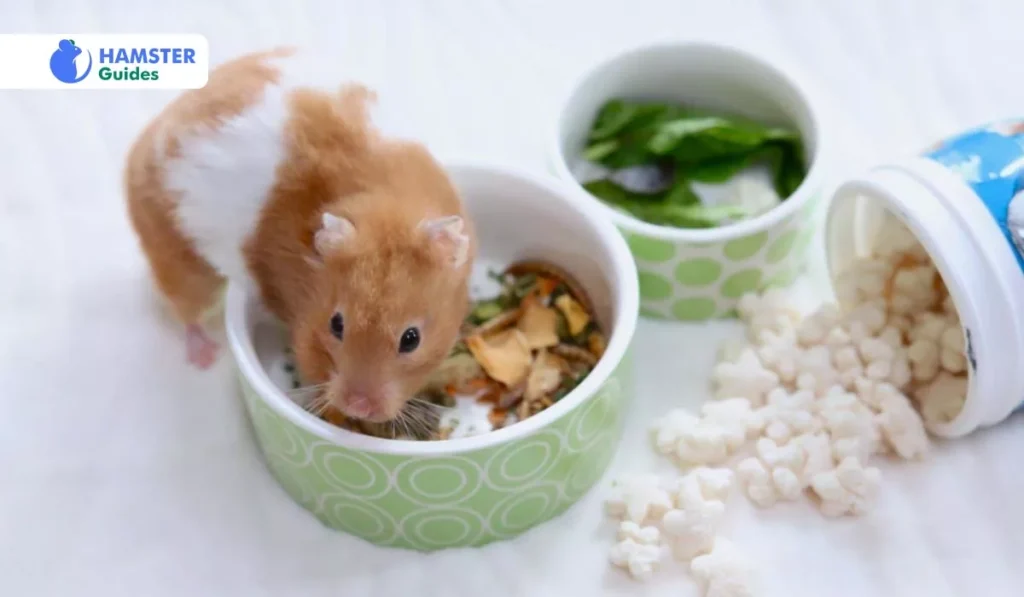
It’s critical to keep an eye on your hamster’s reaction to hazelnuts and modify the amount and frequency as necessary.
Read more: Can Hamsters Eat Turkey?
Signs of Illness from Consuming Too Many Hazelnuts

See a veterinarian right away if your hamster exhibits symptoms of disease, such as lethargy, diarrhea, or vomiting. Consuming excessive amounts of hazelnuts can aggravate these symptoms, so it’s important to keep vigilant on your hamster’s intake and see a veterinarian as soon as possible.
During my years of managing dietary plans for various hamster breeds, I realized how quickly high-fat nuts can ruin a pet’s health. I once allowed my Syrians to have a whole hazelnut twice a week, and within a month, they became visibly lethargic and overweight.
Now, I treat hazelnuts strictly as a once-a-month high-value reward. I strictly prioritize natural, low-fat foraging treats like dried dandelion roots over heavy, oil-dense nuts to keep their weight perfectly stable.
The Final Words
For hamsters, hazelnuts may be a tasty and healthy treat when given in balance. They provide vital vitamins, minerals, and protein because of their extensive nutritional profile.
But always keep in mind that the best advice is to exercise discipline. With proper feeding and a balanced diet, hazelnuts might be the ideal occasional treat for your cherished hamster buddy.
If you are worried about the nutrition or general health of your hamster, always get advice from a veterinarian. Never forget that balanced, wholesome food, frequent exercise, and plenty of affection are the ingredients for a happy, healthy hamster.


Leave a Reply