
Can Hamsters Eat Avocados?
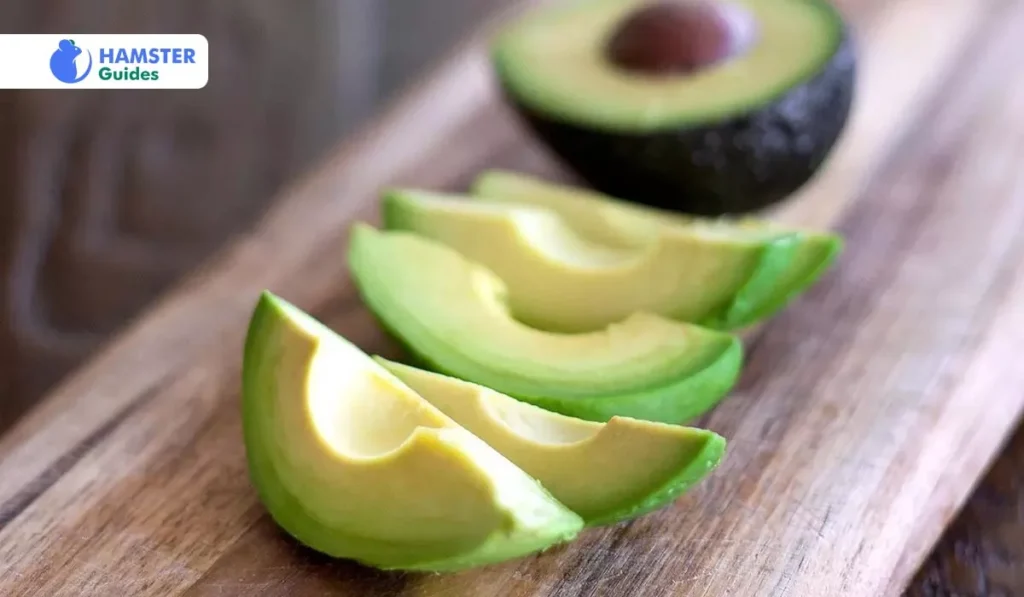
No. Hamsters should not eat avocado. Avocado contains persin, a naturally occurring fungicidal toxin that causes myocardial damage in susceptible mammals, and extremely high fat content that their digestive systems cannot handle safely.
On top of that, the sticky flesh creates a serious cheek pouch impaction risk that no other fruit presents. Every part of the avocado plant carries risk: the flesh, skin, pit, leaves, and bark.
Key facts at a glance:
- All avocado varieties carry the same risks
- Persin causes cardiac muscle degeneration in mice, rabbits, guinea pigs, and rats (Merck Veterinary Manual)
- A 50g serving of avocado contains over 7 grams of fat and 80 calories — far too calorie-dense for a hamster
- The sticky flesh can lodge in cheek pouches and cause impaction and abscess
- There is no antidote for persin toxicity in animals (Veterinary Poisons Information Service, 2019)
What Is Persin and Why Is It Dangerous?
Persin is a fatty acid derivative found in all parts of the avocado plant (Persea americana). It is harmless to humans but toxic to a documented list of animals including mice, rats, rabbits, guinea pigs, horses, goats, sheep, and birds (Merck Veterinary Manual; MSD Veterinary Manual).
How persin damages the body:
Persin is believed to disrupt cell membranes, leading to cell death in sensitive tissues (WikiMD, Persin). The primary target organs are the heart muscle (myocardium) and, in nursing females, the mammary glands.
Research published by Oelrichs et al. and confirmed in the Merck Veterinary Manual shows:
- Purified persin causes mastitis in lactating mice at 60 to 100 mg per kg of body weight, and doses above 100 mg per kg result in myocardial necrosis.
- 14 rabbits died within 30 hours of ingesting avocado leaves in a documented case report (Aguirre et al., Toxicon, 2019).
- Non-lactating mammals or animals who have ingested a large amount of avocado may develop myocardial insufficiency within 24 to 48 hours, exhibiting lethargy, respiratory distress, subcutaneous edema, cyanosis, and death.
Hamsters share the same biological susceptibility as mice and rats. Their small body weight means a proportionally tiny amount of persin represents a significant toxic dose.
“The rodent toxicity data on persin is the most relevant comparison we have for hamsters. Mice and rats develop myocardial damage from avocado ingestion, and given that hamsters weigh less than most laboratory rodents used in these studies, the risk is proportionally higher. I recommend treating avocado as strictly off-limits for all hamster species.”
Dr. Norma Young, RCVS Veterinary Surgeon, Royal Veterinary College
Before delving into specifics about hamsters and avocados, let’s grasp the dietary essentials for these small rodents.
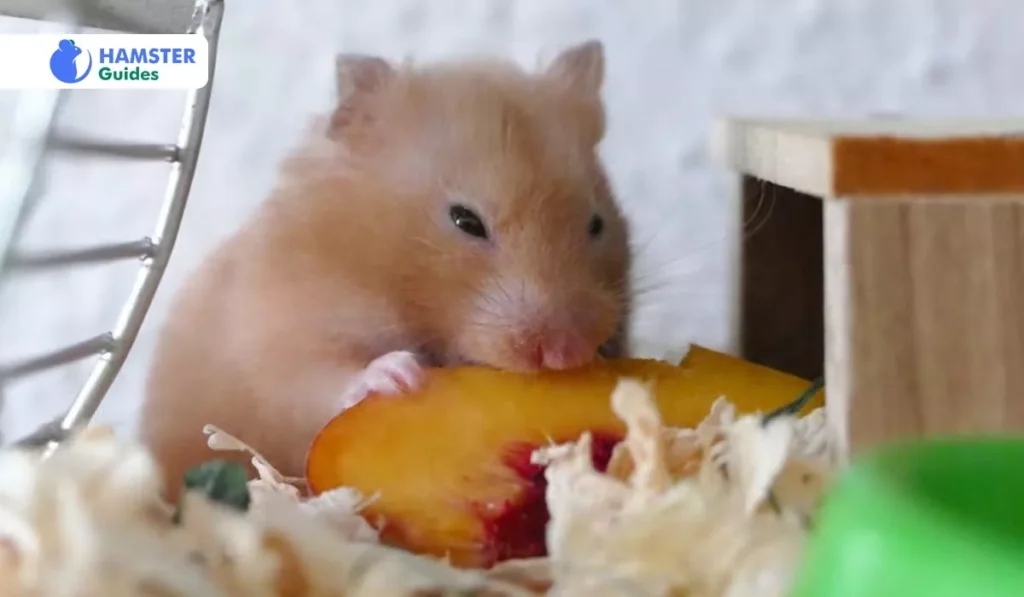
The Three Reasons Avocado Is Unsafe for Hamsters
1. Persin Toxicity
As detailed above, persin targets the heart muscle and causes myocardial degeneration. The exact mechanism of action of persin is not fully understood, but it is believed to disrupt cell membranes, leading to cell death, which results in tissue damage and organ failure in animals that are sensitive to the toxin.
There is no antidote. Veterinary treatment for persin toxicity is supportive only. When a toxic dose is ingested, it is often challenging to perform successful decontamination, and once the toxin is absorbed, there is no known antidote or cure for persin toxicity.
2. Extremely High Fat Content
A 50-gram serving of avocado contains over 7 grams of fat and 80 calories. High fat diets can contribute to weight gain, which can lead to obesity and a shorter lifespan.
For context, a Syrian hamster weighs approximately 100 to 180 grams. A 50g serving of avocado represents roughly a quarter to a third of the hamster’s entire body weight in food. The fat load alone would overwhelm a digestive system built for seeds, grains, and small protein sources.
Consequences of high fat intake in hamsters:
- Obesity, which compresses organs and reduces lifespan
- Fatty liver disease
- Cardiovascular strain
- Diabetes risk, particularly in dwarf species already prone to the condition
3. Cheek Pouch Impaction
The sticky flesh of the avocado could get stuck in a hamster’s cheek pouches, which may lead to impaction. Untreated pouch impactions can eventually lead to infections and abscesses.
Cheek pouch impaction requires veterinary intervention to clear. If left untreated it progresses to abscess, tissue necrosis, and systemic infection. Avocado’s creamy, adhesive texture makes it one of the highest-risk foods for this complication.
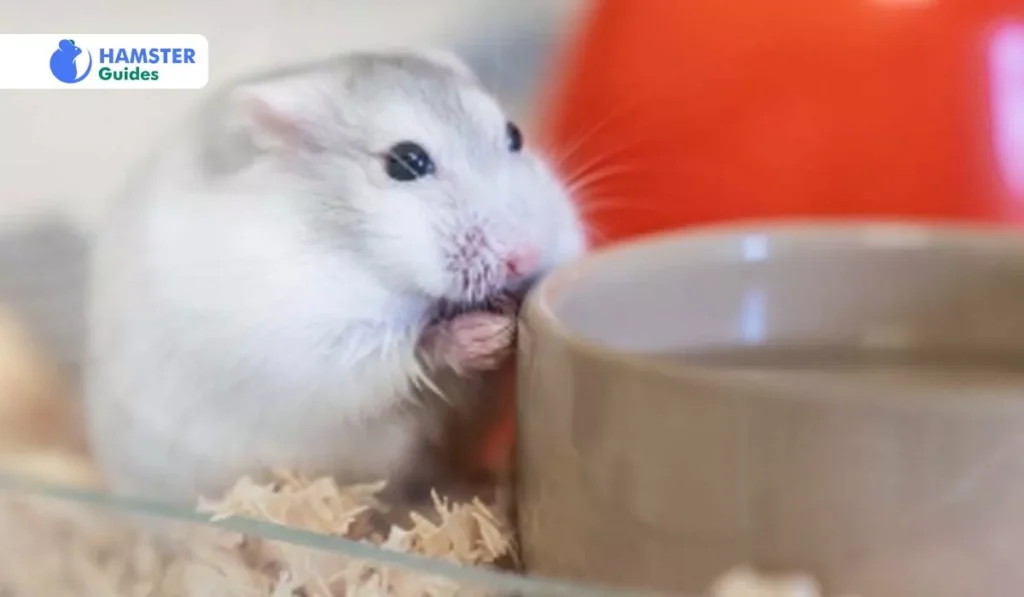
Nutritional Profile of Avocado (Per 100g)
Avocado does contain nutrients. This is why some owners question whether a small amount might benefit their hamster. The table below clarifies what avocado contains, and which safe foods deliver the same nutrients without any toxic risk.
| Nutrient | Amount per 100g | Safe Hamster Alternative |
|---|---|---|
| Energy | 160 kcal | Pellets (controlled calorie source) |
| Fat | 14.7 g | Sunflower seeds (small amount) |
| Carbohydrates | 8.5 g | Oats, pellets |
| Fiber | 6.7 g | Timothy hay, oats |
| Vitamin C | 10 mg | Broccoli, bell pepper |
| Vitamin E | 2.1 mg | Sunflower seeds, leafy greens |
| Vitamin K | 21 mcg | Spinach, broccoli |
| Potassium | 485 mg | Cucumber, banana (tiny piece) |
| Magnesium | 29 mg | Spinach, quality pellets |
| Folate | 81 mcg | Leafy greens, pellets |
Every nutrient avocado contains is available from safe foods. Avocado is never necessary.
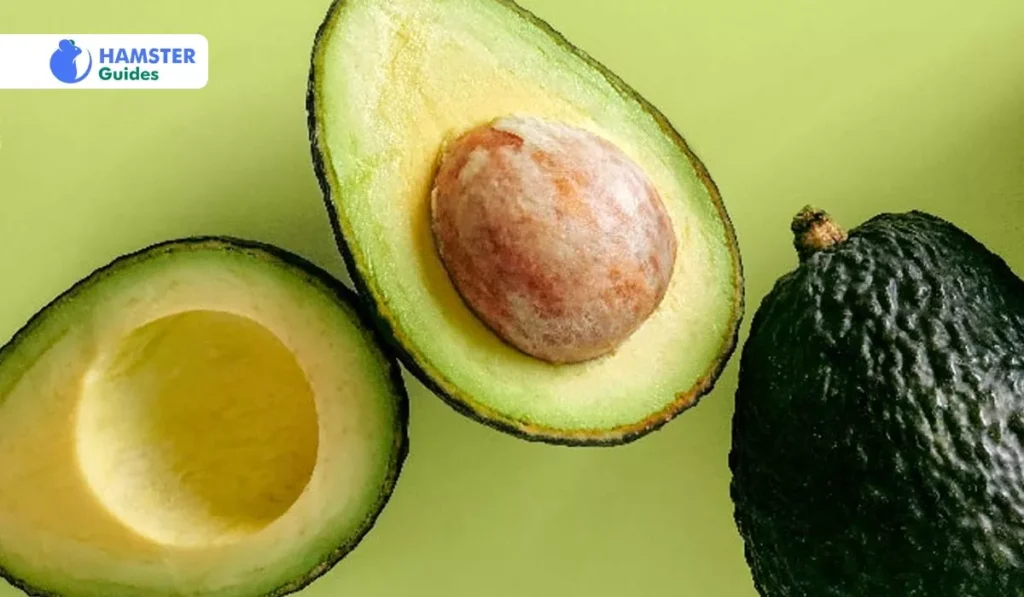
Persin Content by Part of the Avocado Plant
Not all parts of the avocado carry equal risk, but all parts are unsafe for hamsters.
| Part of the Plant | Persin Level | Risk to Hamster |
|---|---|---|
| Leaves | Highest | Extreme. Documented fatal toxicity in multiple species |
| Bark | High | Extreme. Not a food source but must be kept away from cage |
| Pit (seed) | High | Extreme. Also a choking and obstruction hazard |
| Skin | High | Extreme. Never feed |
| Flesh | Lower than leaves | Still unsafe. Also causes fat overload and pouch impaction |
| Avocado oil | Concentrated | Extreme. Persin and fat in concentrated form |
Processed forms including avocado oil, guacamole, and avocado powder are more dangerous than raw flesh due to concentration of compounds during processing.
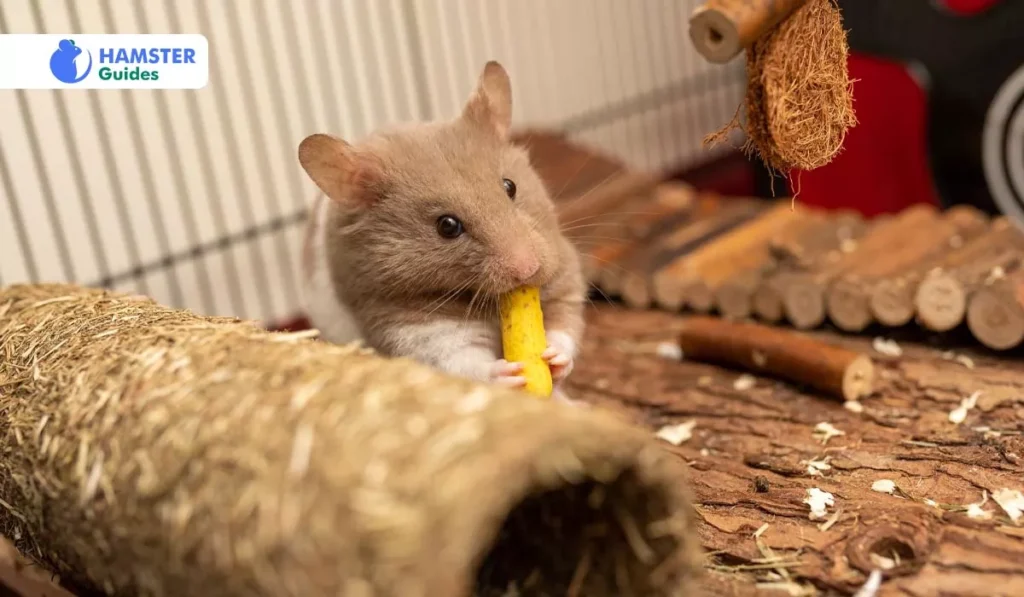
Does the Avocado Variety Matter?
No. All commercially available avocado varieties contain persin and carry the same risks.
| Avocado Variety | Safe for Hamsters |
|---|---|
| Hass | No |
| Fuerte | No |
| Bacon | No |
| Zutano | No |
| Reed | No |
| Any other variety | No |
The Guatemalan varieties, which include Hass, are most commonly associated with documented toxicosis in animals (Merck Veterinary Manual), but no variety has been established as safe for small mammals.
Symptoms of Avocado Poisoning in Hamsters
Because persin primarily targets the heart and respiratory system, symptoms may not appear immediately but progress rapidly once they begin.
Early signs (within 12 to 24 hours):
- Lethargy and reduced movement
- Loss of appetite
- Labored or rapid breathing
- Hunched posture
Progressing signs (24 to 48 hours):
- Visible breathing difficulty
- Swelling around the neck or chest
- Weakness in limbs
- Cyanosis (bluish tinge to the skin or gums in severe cases)
Critical signs:
- Collapse
- Unresponsive to stimulation
- Irregular or rapid heartbeat if detectable
⚠️ If your hamster has eaten any part of an avocado, contact an exotic-pet vet immediately. Do not wait for symptoms. Persin toxicity can cause irreversible cardiac damage before visible signs appear, and there is no antidote once the toxin is absorbed.
What to Do If Your Hamster Eats Avocado?
If they ate a small amount of avocado flesh:
- Remove any remaining avocado from the cage immediately
- Do not induce vomiting. Hamsters cannot vomit and this causes additional harm
- Contact an exotic-pet vet the same day and describe what was eaten and approximately how much
- Monitor closely for any of the symptoms listed above
- Keep the hamster warm and calm while arranging veterinary contact
If they ate the skin, pit, or leaves:
- Treat as an emergency
- Contact a vet or animal poison control immediately
- Do not wait for symptoms
If the flesh appears lodged in the cheek pouches:
- Contact a vet immediately as impaction requires professional clearing
- Do not attempt to remove it yourself
Safe Alternatives That Deliver the Same Nutrients
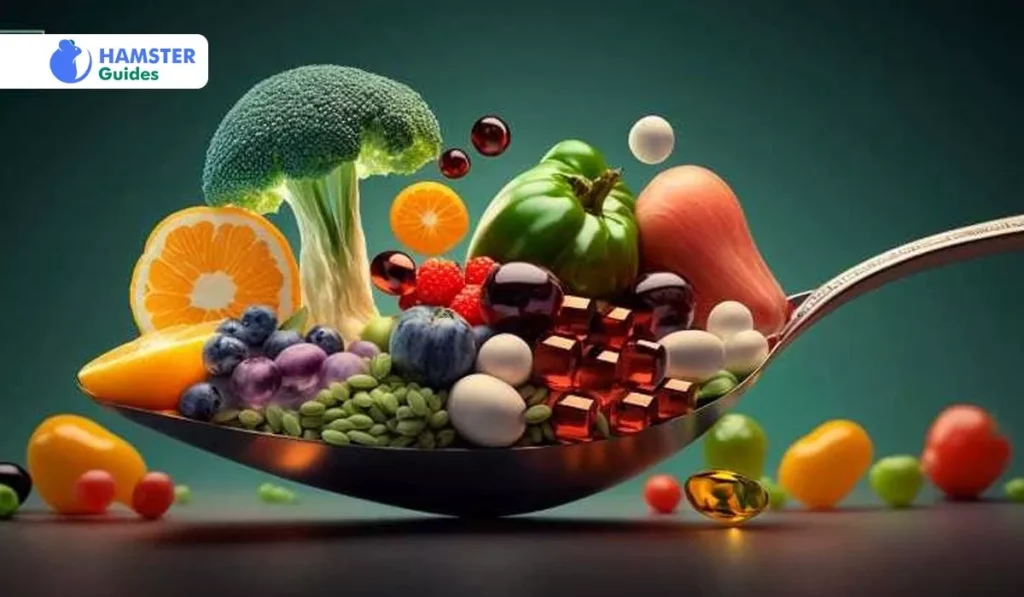
Replace avocado with these species-appropriate options, each providing targeted nutrients without any toxic risk.
For healthy fats:
- Unsalted sunflower seeds (small amount, 2 to 3 seeds per serving)
- Plain pumpkin seeds (occasional treat)
For vitamins C and E:
- Broccoli (excellent vitamin C source)
- Bell pepper, red variety (very high in vitamin C)
- Spinach (vitamin E and K)
For potassium:
- Cucumber (safe daily, small piece)
- Banana (tiny piece, 2 to 3 times per week due to sugar)
For fiber:
- Timothy hay (available at all times)
- Plain rolled oats
For magnesium and folate:
- Leafy greens such as romaine lettuce and spinach in small amounts
- High-quality hamster pellets as the dietary base
Foods in the Same Danger Category
Avocado is not the only food that looks harmless but poses serious risk to hamsters. Avoid these as well:
| Food | Primary Danger |
|---|---|
| Avocado (all forms) | Persin toxicity and fat overload |
| Garlic and onions | Allicin causes Heinz body hemolytic anemia |
| Chocolate | Theobromine toxicity, cardiac and neurological risk |
| Citrus fruits | High acidity causes digestive damage |
| Raw beans | Hemagglutinin toxicity |
| Almonds | Amygdalin (cyanide precursor) |
| Rhubarb | Oxalic acid toxicity |
| Peanut butter | Choking and cheek pouch impaction risk |
Summary
Avocado is unsafe for hamsters for three distinct reasons that operate simultaneously: persin toxicity targeting the heart, extreme fat content overloading a small digestive system, and sticky flesh causing cheek pouch impaction. The skin, pit, leaves, and bark carry even higher persin concentrations than the flesh.
There is no safe variety, no safe part, no safe preparation method, and no safe dose of avocado for a hamster. Every nutrient avocado contains is available from foods that carry none of these risks.
“I want owners to understand that avocado toxicity in small rodents is not theoretical. The Merck Veterinary Manual lists mice, rats, rabbits, and guinea pigs as susceptible species. Hamsters share the same basic physiology. Treating avocado as strictly prohibited is not overcautious, it is the only evidence-based position.”
Dr. Norma Young, RCVS Veterinary Surgeon, Royal Veterinary College


Leave a Reply