
Can Hamsters Eat Strawberries? Complete Safety Guide
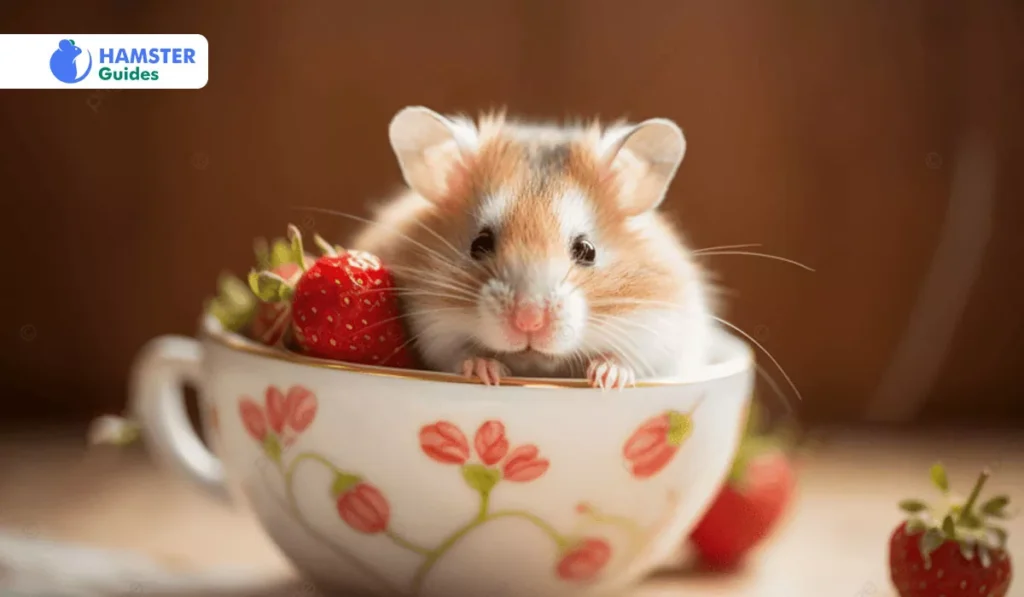
Yes, hamsters can safely eat strawberries as an occasional treat. Both Syrian and dwarf hamsters enjoy this sweet fruit, but portion control is essential, offer only 1-2 small pieces (roughly the size of a blueberry) once or twice weekly to prevent digestive issues and obesity.
The key to safe strawberry feeding lies in proper preparation: always remove seeds, wash thoroughly to eliminate pesticides, and cut into appropriately sized pieces for your hamster’s breed.
Understanding Your Hamster’s Nutritional Needs
Hamsters thrive on a balanced diet that combines commercial pellets with carefully selected fresh foods. While high-quality pellets provide essential daily nutrition, adding small amounts of fruits and vegetables offers variety and supplemental vitamins. The golden rule for any fresh food, including strawberries, is moderation, treats should never exceed 10% of your hamster’s total diet.
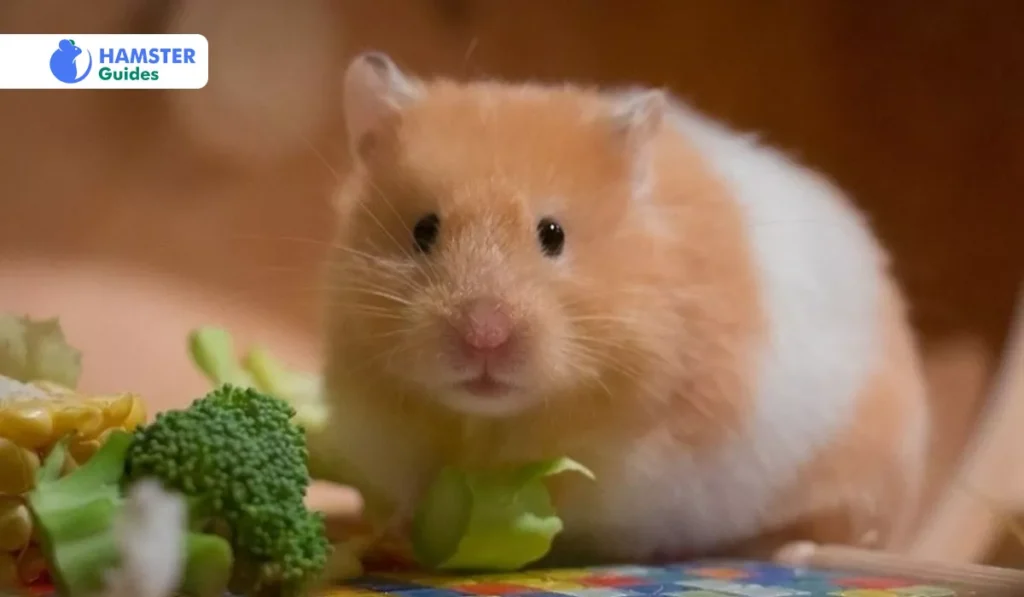
Different hamster breeds have varying nutritional tolerances. Syrian hamsters, being larger (5-7 inches long), handle modest portions of sugary fruits better than their smaller cousins. Dwarf varieties like Campbell’s, Roborovski, and Winter White hamsters are more prone to diabetes and require stricter portion control with any sweet treat.
Are Strawberries Safe for Hamsters?
Strawberries are safe and nutritious for hamsters when prepared correctly and offered in appropriate amounts. These berries contain beneficial vitamin C, antioxidants, and fiber that support your pet’s immune system and digestive health. However, their natural sugar content means they should be treated as an occasional snack rather than a dietary staple.
The fruit’s texture and taste appeal to most hamsters, the soft, juicy flesh is easy to chew and swallow, making it suitable even for older hamsters with dental sensitivity. Unlike some fruits with tough skins or hard seeds, properly prepared strawberries pose minimal choking risk when cut to appropriate sizes.
Important safety note: Never feed your hamster moldy, overripe, or unwashed strawberries. Mold can be toxic to small animals, while pesticide residue from conventionally grown berries may cause digestive upset or more serious health issues.
Proper Strawberry Preparation: Step-by-Step
Correct preparation prevents choking hazards, eliminates harmful pesticides, and ensures your hamster can safely enjoy their treat.
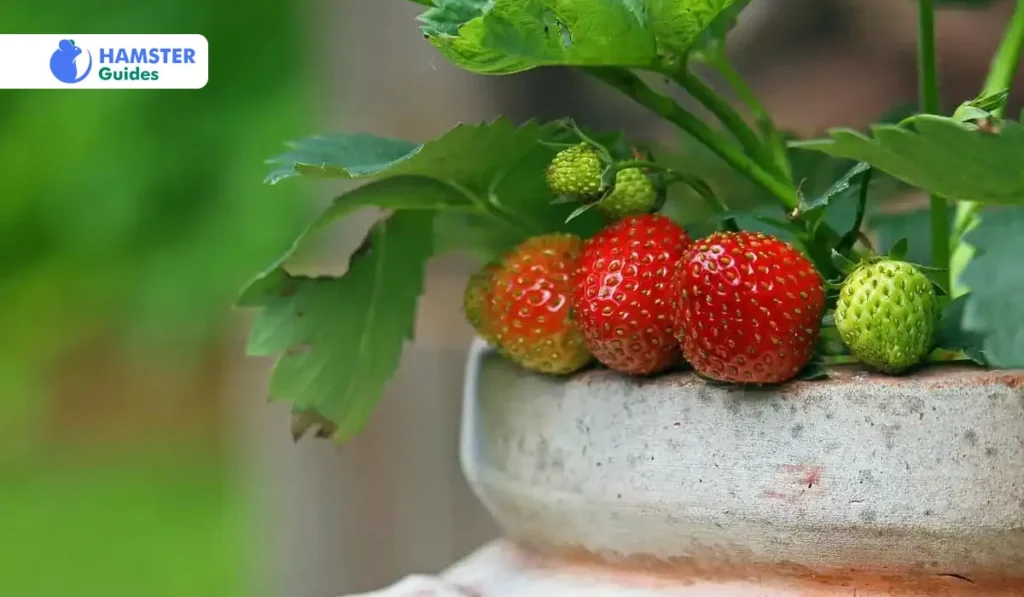
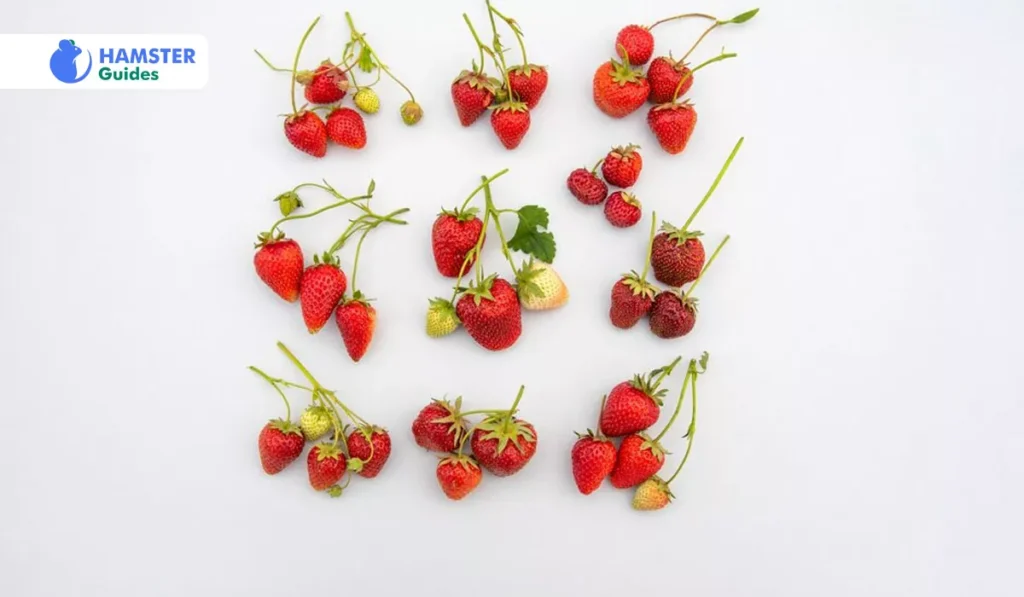
Step 1: Choose Quality Strawberries Select firm, ripe berries without soft spots or mold. Organic strawberries are ideal as conventional varieties often contain high pesticide residue, strawberries consistently rank among the “Dirty Dozen” produce items with the most pesticide contamination.
Step 2: Wash Thoroughly Rinse strawberries under cool running water for at least 30 seconds, gently rubbing the surface to remove dirt and chemical residue. Pat completely dry with a clean towel, excess moisture can cause diarrhea in hamsters.
Step 3: Remove All Seeds Using a small paring knife, carefully remove the visible seeds from the strawberry’s surface. While strawberry seeds are smaller than apple or grape seeds, they still pose a potential choking risk to hamsters, especially dwarf breeds.
Step 4: Cut to Appropriate Size For Syrian hamsters, cut strawberries into pieces no larger than a raspberry. For dwarf hamsters, pieces should be blueberry-sized or smaller. When in doubt, go smaller, hamsters can easily gnaw larger pieces down, but choking on oversized chunks can be fatal.
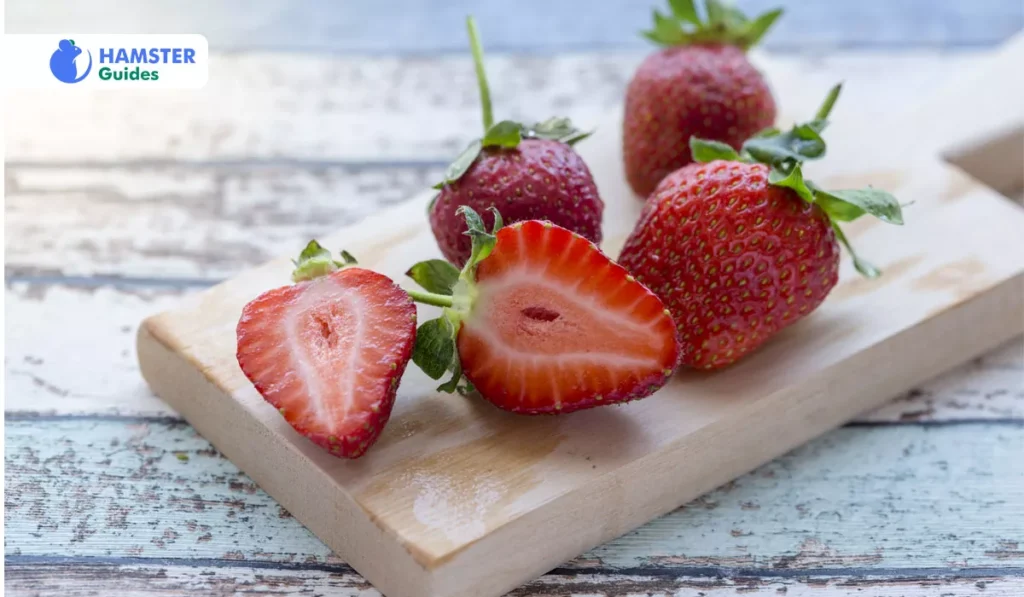
Step 5: Serve Fresh Offer the strawberry piece to your hamster immediately after preparation. Place it in a clean feeding dish or offer by hand to monitor consumption. Never leave fresh fruit in the cage overnight.
Can Hamsters Eat Strawberry Leaves?
Yes, strawberry leaves are safe and non-toxic for hamsters, though most hamsters show less enthusiasm for leaves than for the sweet fruit. The leaves contain beneficial fiber that supports healthy digestion and can help prevent constipation, a common issue in hamsters eating primarily dry pellet diets.
Nutritional Benefits of Strawberry Leaves: The leaves provide dietary fiber without the sugar content found in the fruit itself, making them a healthier daily snack option if your hamster enjoys them. They also contain small amounts of vitamins and minerals, though not in concentrations significant enough to replace other fresh vegetables.
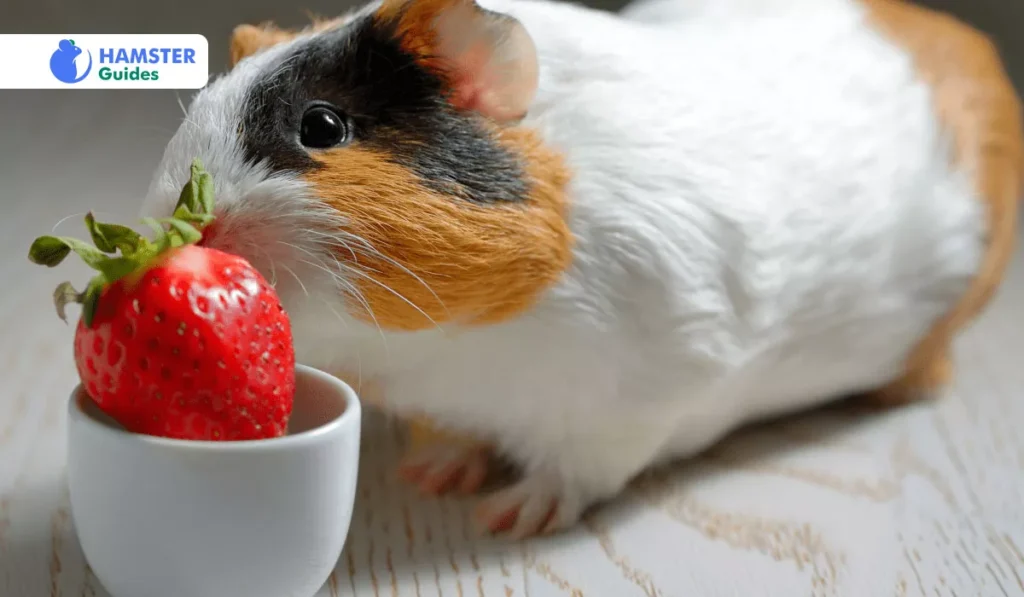
Taste and Texture Considerations: Strawberry leaves have a slightly bitter, earthy flavor that many hamsters find less appealing than the fruit’s sweetness. The texture is tougher and more fibrous than the soft berry flesh, requiring more chewing effort, which actually benefits hamsters by providing dental wear to prevent overgrown teeth.
How to Offer Strawberry Leaves: Wash leaves as thoroughly as you would the fruit, checking for pesticides. Offer one small leaf (about the size of your thumbnail) initially to see if your hamster shows interest. Some hamsters will nibble enthusiastically while others ignore leaves entirely, both responses are normal. Unlike the fruit, strawberry leaves can be offered 2-3 times per week without sugar-related concerns.
When to Avoid Leaves: Skip strawberry leaves if they show any signs of wilting, yellowing, or mold. Never offer leaves from strawberry plants treated with garden pesticides or herbicides, only use leaves from organic strawberries or pesticide-free garden plants.
Benefits of Strawberry Leaves for Hamsters
Curiosity about strawberries does not stick to only leaves; queries arise for different components like the fruit’s stem, top, and seeds. Strawberries, in toto, provide a wonderful texture and flavor to your furry pet and are safe and nutritious.
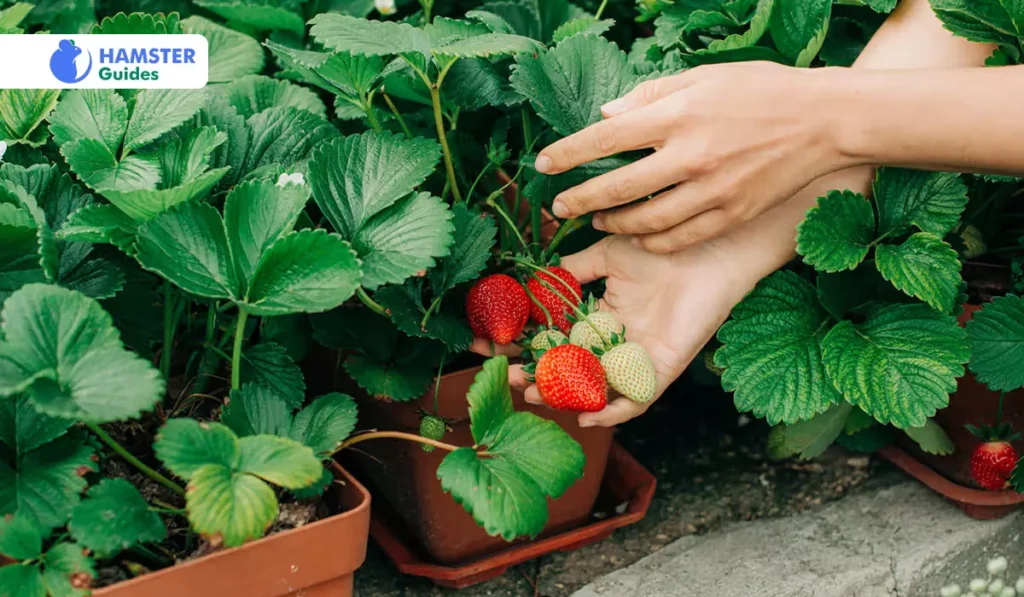
Because of the excessive fiber content, strawberry leaves especially assist in preserving a healthy digestive tract. You might also appropriately and nutritionally supplement your hamster’s meals with strawberry leaves. In addition to preventing constipation and other digestive troubles, fiber keeps the digestive system working.
Read more: Can Hamsters Eat Cauliflower?
What About Strawberry Stems and Tops?
The green leafy top (calyx) and stem of strawberries fall into a gray area for hamster safety. While not toxic, these parts present practical concerns that make them less ideal than the fruit itself.
Potential Choking Hazard: Strawberry stems are fibrous and can be difficult for hamsters to break down completely while chewing. The tough texture may cause pieces to lodge in your hamster’s throat or cheek pouches, creating a choking risk, especially for dwarf hamsters with smaller mouths.
Digestive Difficulty: The woody texture of stems makes them harder to digest than the soft fruit or even the leaves. While a hamster’s digestive system can technically process small amounts, stems offer minimal nutritional benefit for the digestive effort required.
Practical Recommendation: Remove and discard the stem and top before offering strawberries to your hamster. These parts comprise a tiny portion of the berry anyway, and eliminating them entirely removes unnecessary risk. If you want to offer fibrous material for dental health, safer options include small wooden chew sticks specifically designed for hamsters.
Related resource: Can Hamsters Eat Dried Banana?
Safe Feeding Guidelines and Monitoring
Introducing any new food to your hamster’s diet requires careful observation and gradual integration. Even safe foods can cause individual digestive sensitivity in some hamsters.
First-Time Introduction: Offer only a very small piece (half the normal portion) the first time your hamster tries strawberries. Monitor your pet closely for the next 24 hours, watching for signs of digestive upset including diarrhea (soft, watery droppings), lethargy, loss of appetite, or bloating. If any of these symptoms appear, discontinue strawberries and consult a veterinarian if symptoms persist beyond 24 hours.
Ongoing Monitoring: Each time you offer strawberries, check your hamster’s cage 2-3 hours later. Remove any uneaten pieces immediately, spoiled fruit can harbor harmful bacteria that cause serious illness. Always observe your hamster’s droppings the day after feeding strawberries to ensure consistent, firm pellet-shaped feces.
Warning Signs to Watch:
- Diarrhea or soft stools: Indicates sugar sensitivity or overfeeding.
- Decreased activity: May signal stomach discomfort.
- Loss of appetite for regular food: Could mean stomach upset from too much fruit.
- Visible bloating: Serious sign requiring immediate veterinary attention.
Storage Tips: Prepare strawberries fresh each time rather than pre-cutting and storing. Cut fruit oxidizes quickly and loses nutritional value. If you must prep in advance, store cut pieces in an airtight container in the refrigerator for no more than 24 hours.
Extra Advice: For a summer-season treat, freeze a few strawberry leaves for your hamster to chew on!
Strawberry Leaf Substitutes for Hamster Greens
| Safe Greens | Benefits |
| Spinach | High in vitamins and minerals, especially K, which is vital for sturdy bones |
| Kale | Vitamin C is vital for keeping well-known fitness and preventing contamination. |
| broccoli | Vitamin C is vital for keeping wellknown fitness and preventing contamination. |
| Lettuce | High water content that aids in preserving hydrated and wards off dehydration. |
Controlling Portion Size Is Essential
It’s appreciative of a hamster cautiously chewing on a small strawberry slice. Here, moderation is fundamental to achievement. Strawberries and other fresh fruits are beneficial once taken in small amounts.
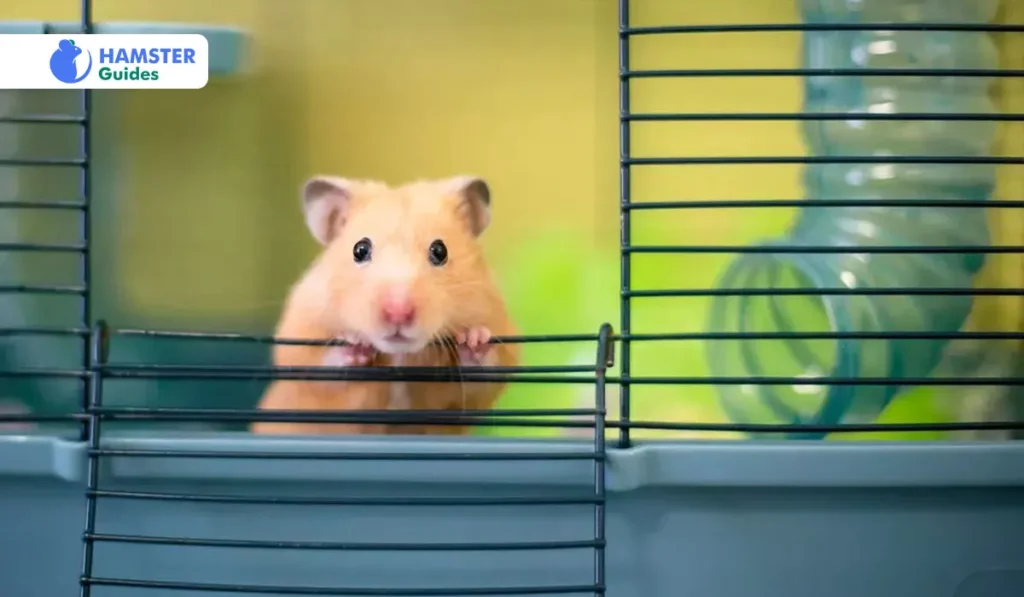
To hamsters every other day to save them from overindulging in sweets or acids that may distress their tiny stomachs.
Hamster Types and Vegetable Treats
Strawberry leaves are a snack that Syrian and Dwarf hamsters can eat. Though these leaves are soft and good for them to munch on. However, it’s critical to understand that moderation is necessary for every fresh or dried fruit type.
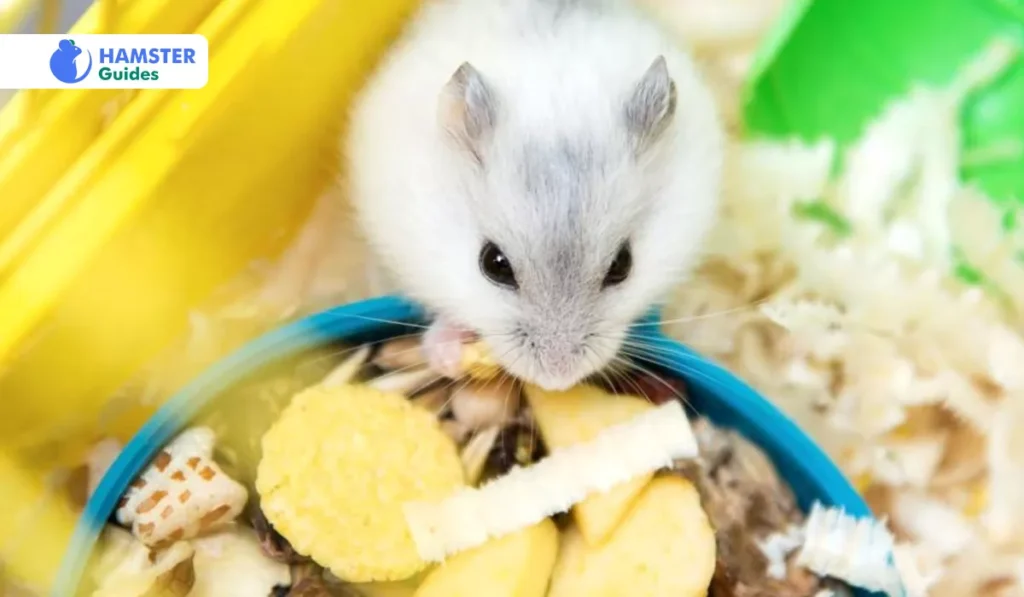
Giving them modest portions occasionally offers variety to their food plan without overwhelming their small structures. Additionally, because chewing regularly creates necessary friction to hamster teeth and prevents overgrowth, it will assist in preserving the strength and health of your hamster teeth.
How Much Strawberry Can Each Hamster Type Eat?
Portion sizes depend entirely on your hamster’s breed and body size. Overfeeding strawberries, even to larger hamsters, can lead to obesity, diabetes, and dental problems due to the fruit’s natural sugar content.
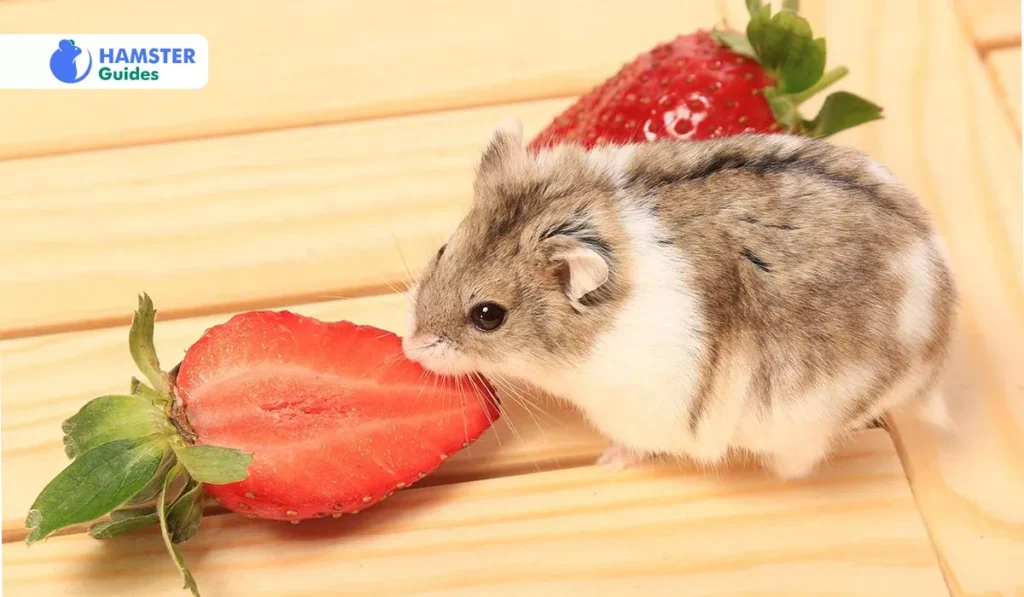
Dwarf Hamsters (Campbell’s, Roborovski, Winter White, Chinese):
- Portion size: Half of what Syrian hamsters receive, approximately 1 small piece.
- Size reference: About the size of a small blueberry.
- Frequency: Once per week maximum.
- Why this amount: Dwarf hamsters are genetically predisposed to diabetes; their smaller size (2-4 inches) means even tiny sugar amounts significantly impact their blood glucose.
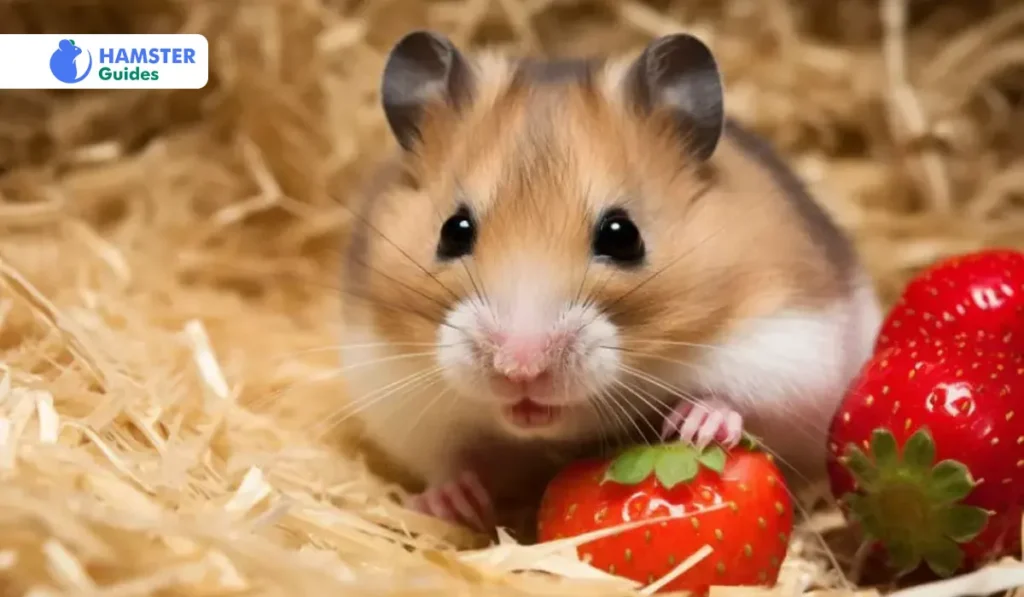
Syrian Hamsters (the largest common pet hamster breed):
- Portion size: 1-2 small pieces per serving.
- Size reference: Each piece should be no larger than a raspberry.
- Frequency: 1-2 times per week maximum.
- Why this amount: Syrian hamsters weigh 5-7 ounces and can process modest sugar amounts, but exceeding these portions risks weight gain.
Always remove any uneaten strawberry pieces after 2-3 hours to prevent bacterial growth in your hamster’s cage. Fresh foods spoil quickly, especially in warm environments, and can cause serious illness if consumed after sitting out too long.
Can Hamsters Eat Other Parts of the Strawberry?
| Part of Strawberry | Dwarf Hamsters | Syrian Hamsters | Notes |
| Fresh Fruit | ✅ Safe, 1 tiny piece weekly | ✅ Safe, 1-2 small pieces weekly | Always remove seeds, wash thoroughly, cut small |
| Leaves | ✅ Safe, 2-3 times weekly | ✅ Safe, 2-3 times weekly | High fiber, bitter taste, wash carefully |
| Tops (green part around the fruit) | ⚠️ Not recommended | ❌ Avoid | Tough texture, minimal nutrition, choking risk |
| Stems | ❌ Must remove | ❌ Must remove | Choking hazard regardless of hamster size |
| Frozen strawberries | ⚠️ Thaw completely first | ⚠️ Thaw completely first | Cold foods can cause digestive shock |
Final Thoughts: Strawberries as Part of a Balanced Diet
Strawberries offer hamsters a delicious, nutritious treat when incorporated thoughtfully into a balanced diet. The key to success lies in moderation, proper preparation, and attentive monitoring of your individual pet’s response. Remember that every hamster has unique preferences and sensitivities, what works perfectly for one may not suit another.
Focus on variety rather than frequency with all fresh foods. A rotation of small vegetable and fruit portions throughout the week provides better nutritional balance than offering the same treat repeatedly. Your hamster’s primary nutrition should always come from high-quality commercial pellets formulated specifically for their species, with fresh foods serving as supplements rather than staples.
When in doubt about any aspect of your hamster’s diet, including appropriate strawberry portions or reactions to new foods, consult a veterinarian experienced in exotic pet care. Investing in proper nutrition now prevents costly health problems and ensures your hamster enjoys the longest, healthiest life possible.


Leave a Reply