

Can Hamsters Eat Melon?
Many pet owners enjoying a summer fruit salad often ask can hamsters eat melon? The direct answer is yes, hamsters can safely eat small amounts of melon flesh, but you must be incredibly careful.
Melons like watermelon, honeydew, and cantaloupe consist of over 90% water and contain high levels of natural fructose. Feeding too much of this watery fruit will overwhelm their tiny digestive tracts, instantly triggering severe diarrhea and potentially fatal wet tail.
This guide breaks down the exact micro-portions allowed, why you must meticulously remove every seed, and the hidden dangers of the tough outer rind.
Nutritional Value of Melons For Hamsters
Melons, especially watermelon, honeydew, and cantaloupe, are an excellent source of water for hamsters to take in since they have a high level of water. Water is crucial for hamster health and to reduce constipation, which may be a prevalent issue.
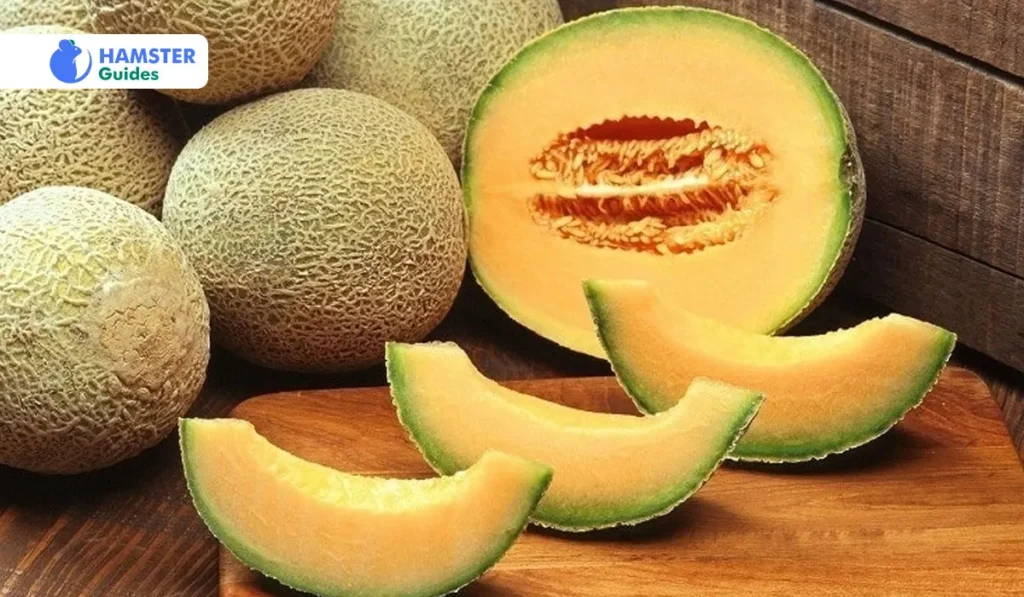
Vitamin C, vitamin B6, potassium, folate, fiber, and various other vital nutrients are also present in melons. In hamsters, these vitamins maintain necessary blood pressure, increase the immune system, and ensure appropriate nervous system function.
| Nutrient | Cantaloupe (per 100g) | Watermelon (per 100g) | Honeydew (per 100g) |
| Calories | 34 | 30 | 36 |
| Protein (g) | 0.8 | 0.6 | 0.5 |
| Fat (g) | 0.2 | 0.2 | 0.1 |
| Carbohydrates (g) | 8.2 | 7.6 | 9.1 |
| Fiber (g) | 0.9 | 0.4 | 0.8 |
| Sugar (g) | 7.9 | 6.2 | 8.1 |
| Vitamin A (IU) | 338 | 569 | 54 |
| Vitamin C (mg) | 36.7 | 8.1 | 18 |
| Calcium (mg) | 9 | 7 | 6 |
| Potassium (mg) | 267 | 112 | 228 |
| Magnesium (mg) | – | 10 | 8 |
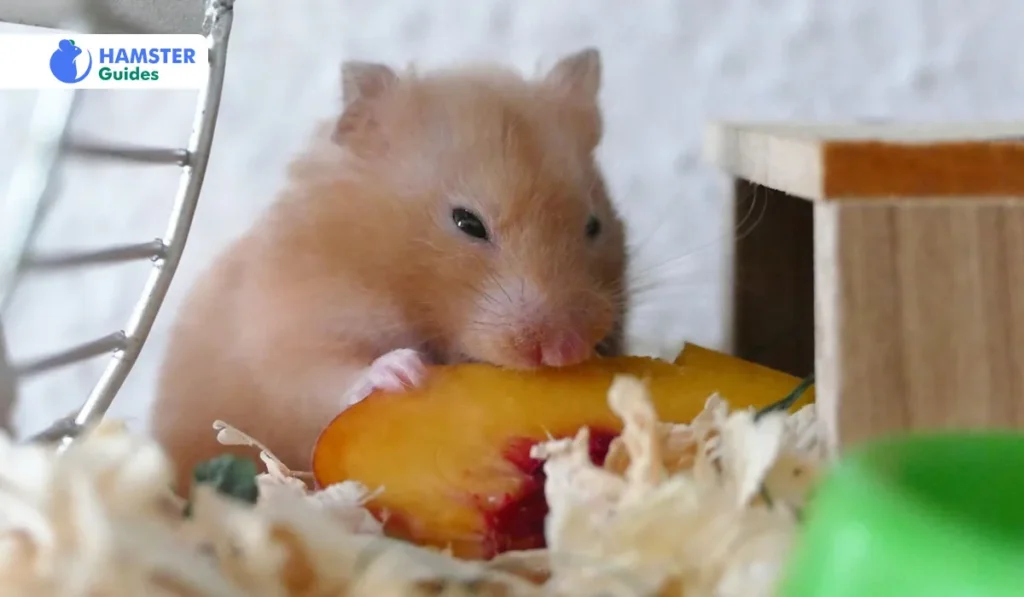
Extra Information: Indulging excessive melon might not be as helpful for your pet as you expect. Hence, moderation is necessary.
The Water Overload & Wet Tail Risk
Unlike humans, hamsters originate from dry, arid desert environments. Their digestive systems are biologically designed to extract maximum hydration from dry seeds and tough vegetation.
Because melons are composed of more than 90% water, feeding a large piece acts as a massive shock to their system.
This sudden flood of liquid flushes out the beneficial bacteria in their gut, leading directly to severe abdominal cramping, explosive diarrhea, and a highly fatal bacterial infection known as Wet Tail. You must limit melon treats to a piece no larger than a single pea, offered only once every two weeks.
Benefits of Melons to Hamsters
Melons with a significant amount of water and its sweetness, especially cantaloupe, watermelon, and honeydew, give hamsters a refreshing pleasure. However, moderation is necessary. Here’s why:
Helpful Advice: Take caution about offering delights within their dietary limitations. When using treats like melons to encourage positive behavior reinforcement during training hamsters.
Potential Risks of Offering Melons to Hamsters
Melons provide health benefits to hamsters; however, too much-eating melons poses certain potential dangers for hamsters. Firstly, melons include quite a bit of sugar, which, if eaten in excess, may contribute to obesity. A serious issue for hamsters, obesity is associated with numerous diseases, which include diabetes.
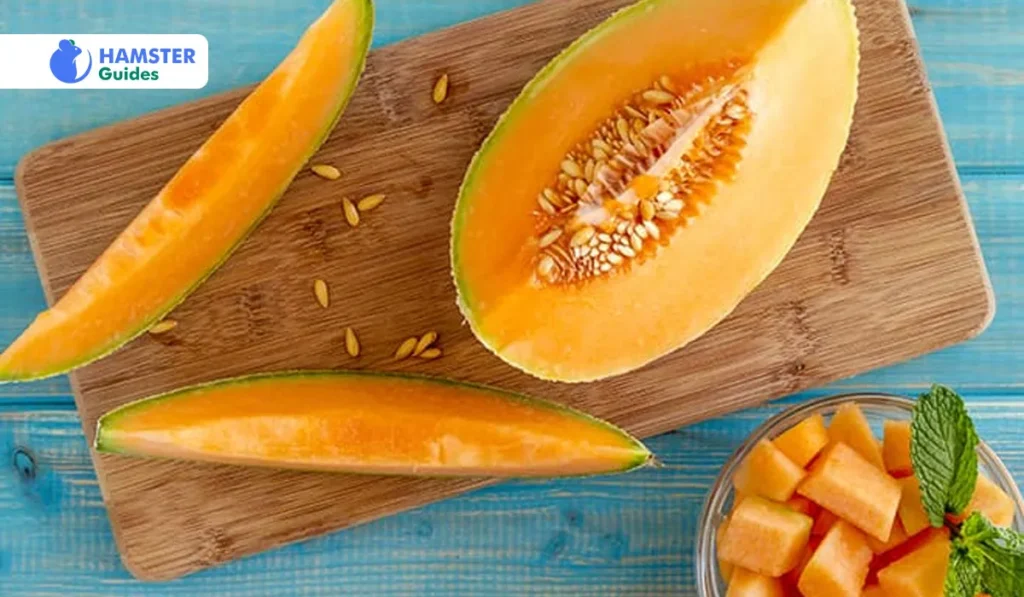
Whenever melons are offered to hamsters, the sugars that naturally occur in the fruit may cause obesity and cause choking risks from the seeds. It additionally causes diarrhea. You must recognize these hazards and adapt your hamster’s meals carefully.
Additionally, fruit seeds of any type, including cantaloupe seeds, shouldn’t ever be provided to hamsters. Because they could result in gastrointestinal problems. Such as choking and wet tails. Furthermore, you must prevent your pet from eating melon skin. They may come into exposure to hazardous pesticides or chemical compounds and result in adverse reactions.
Related Resource: Can Hamsters Eat Sugar Snap Peas?
How to Safely Prepare Melon?
You must strictly dissect the fruit before allowing your pet anywhere near it:
- The Flesh: The soft, inner fruit is the only safe part to feed. Keep it to a micro-portion (the size of a pea).
- The Seeds (Strictly Avoid): You must meticulously remove every single seed. Melon seeds are large, slippery, and pose a severe choking and pouch impaction hazard for a tiny rodent’s throat.
- The Rind (Strictly Avoid): Never feed the green or yellow outer skin. The tough rind is entirely indigestible and is frequently coated in highly toxic agricultural pesticides that cannot be fully washed off.
Related Resource: What Kind Of Cheese Can Hamsters Eat?
Melon Alternatives and Comparisons
Whenever you venture into the universe of hamster meals, take into consideration nutritious fruit replacements like blueberries, strawberries, and different fruits rather than melons. Making sensible choices for the good health of your hamster becomes simple when you analyze the dietary benefits of multiple fruits.
Melons constitute only a small component of a nutritious diet for hamsters. The best commercial hamster pellet mix needs to be the primary provider of food. Here’s a breakdown of essential dietary components:
| Nutrient | Cantaloupe | Watermelon | Blueberries | Strawberries | Banana |
| Calories | 34 | 30 | 57 | 32 | 89 |
| Protein (g) | 0.8 | 0.6 | 0.7 | 0.7 | 1.1 |
| Fat (g) | 0.2 | 0.2 | 0.3 | 0.3 | 0.3 |
| Carbohydrates (g) | 8.2 | 7.6 | 14 | 7.7 | 23 |
| Fiber (g) | 0.9 | 0.4 | 2.4 | 2 | 2.6 |
| Sugar (g) | 7.9 | 6.2 | 9.7 | 4.9 | 12 |
| Vitamin A (IU) | 338 | 569 | 54 | 12 | 64 |
| Vitamin C (mg) | 36.7 | 8.1 | 9.7 | 58.8 | 8.7 |
| Calcium (mg) | 9 | 7 | 6 | 16 | 5 |
| Potassium (mg) | 267 | 112 | 77 | 153 | 358 |
Special Note: Average quantities could differ according to specific types. For an appropriate hamster diet, always offer fruits in proportion. Obtain help from a veterinarian.
During my time raising Syrian and Dwarf breeds, I quickly learned that high-water fruits require extreme caution. I once gave my Syrian a thumbnail-sized piece of watermelon, and within hours, his stool became dangerously loose. Since then,
I always pat the tiny piece of melon completely dry with a paper towel before placing it in their enclosure. This simple step removes excess surface juice and drastically lowers the risk of an upset stomach.
The Final Words
If melons are provided to hamsters in small amounts, they can eat them without hazard. Along with their regular meals of pellets, vegetables, and sometimes treats. They ought to be offered little pieces of fresh melon occasionally.
Keep in mind that every single hamster may have specific requirements for food. Therefore, what is beneficial for one hamster may be harmful for others. If necessary at all, obtain help from a veterinarian on food intake or the overall wellness of your hamster.
In brief, small quantities of ripe melon could make an excellent addition to your hamster’s diet. If you’re looking for a nutritional and hydrated treat. Instead, never disregard that proportion is important.


Leave a Reply